20 ft Cargo Container: Best Uses, Costs, and Buying Tips for Beginners
The 20 ft cargo container serves as a versatile storage and transport solution, widely utilized across various industries. According to a report by the United Nations Conference on Trade and Development (UNCTAD), approximately 90% of global trade is carried out via shipping, with containerized cargo accounting for a significant portion of this activity. This highlights the importance of understanding the practical applications, costs, and purchasing considerations associated with this standard shipping container size.
Investing in a 20 ft cargo container can be particularly advantageous for small to medium-sized businesses, startups, and individuals seeking efficient storage solutions. The average cost of a new 20 ft cargo container ranges between $2,000 to $5,000, depending on condition and modifications. This affordability, combined with their durability and suitability for a variety of purposes—from storage to mobile offices—makes them an attractive option. Moreover, insights from industry analysts suggest that the demand for shipping containers is expected to grow steadily, with a rise in e-commerce and logistics operations, further solidifying the need for understanding how to effectively utilize a 20 ft cargo container in both domestic and commercial applications.
Best Uses for a 20 ft Cargo Container
A 20 ft cargo container is a versatile storage solution that can serve a variety of purposes, making it an excellent choice for both personal and business needs. One of the most common uses is for storage, especially in residential or commercial settings where space is limited. According to industry reports, up to 30% of urban dwellers are facing storage challenges, prompting many to turn to cargo containers as an efficient solution. With their robust construction, these containers can securely store furniture, equipment, and tools for long periods without the risk of damage from environmental elements.
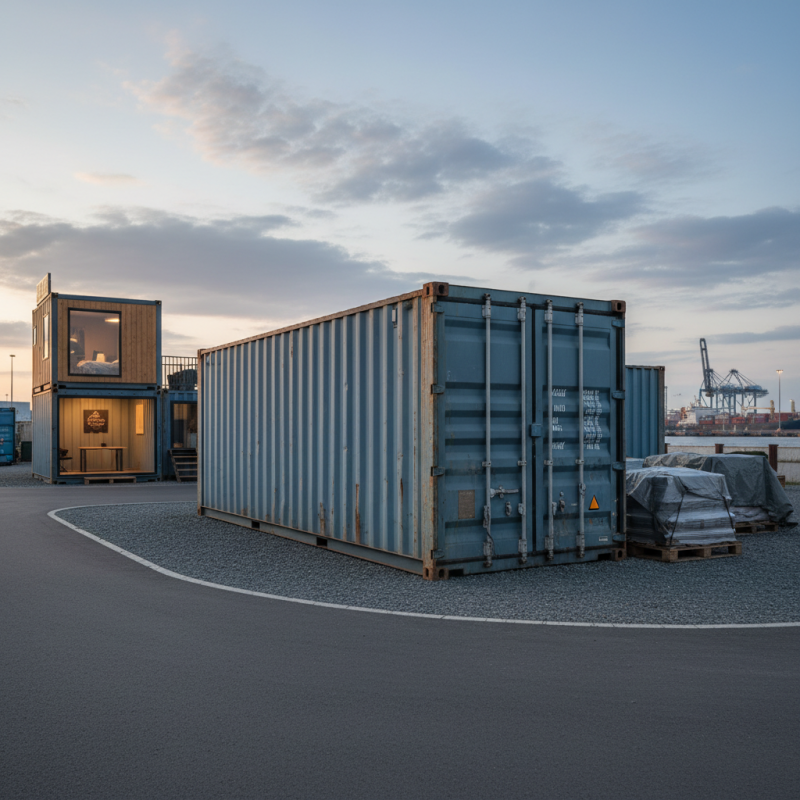
Another popular application for 20 ft cargo containers is in construction and renovation projects. They can serve as on-site storage units, providing secure and easily accessible space for tools and materials. Research indicates that using cargo containers for job sites can reduce loss and damage of materials by as much as 50%, significantly contributing to project efficiency and cost savings. Additionally, many people have begun repurposing these containers into creative spaces such as home offices, workshops, or even small retail stores, owing to their affordability and adaptability. This trend has been recognized by industry experts, who note a growing interest in innovative designs that enhance functionality and aesthetics.
Cost Breakdown of Purchasing a 20 ft Cargo Container
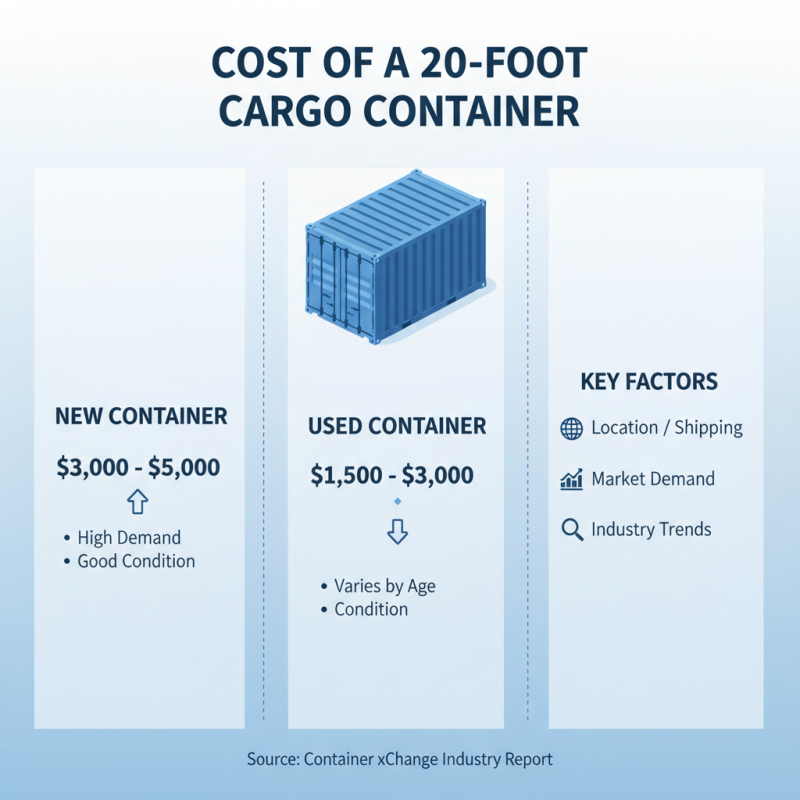
When considering the costs associated with purchasing a 20 ft cargo container, buyers must account for several factors that influence the overall price. On average, a new 20 ft cargo container can cost between $3,000 and $5,000, while used containers generally range from $1,500 to $3,000 depending on their condition and age. According to a recent industry report by Container xChange, the demand for cargo containers has surged, leading to an increase in prices, particularly for units in good condition. Factors such as location, shipping expenses, and market demand also play crucial roles in determining price fluctuations.
When budgeting for a container purchase, it’s wise to consider additional costs that may arise, including transportation fees, potential upgrades for insulation or security, and ongoing maintenance. Many buyers underestimate the importance of inspecting the container for structural integrity, which can save significant costs later on. It is recommended to obtain multiple quotes from different suppliers to ensure competitive pricing while factoring in logistics.
Tips: Before making your purchase, assess your needs carefully to choose the right container type. Additionally, check for any hidden fees that sellers may include in their pricing. Finally, understanding the market trends and seasonal fluctuations can provide leverage in negotiating better deals.
Factors to Consider When Buying a 20 ft Cargo Container
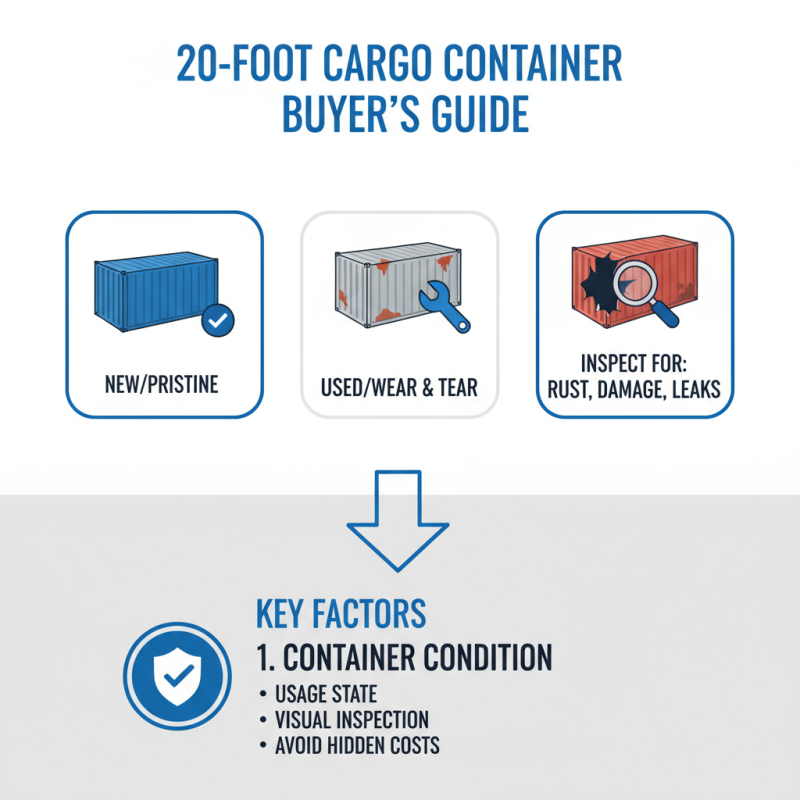
When considering the purchase of a 20 ft cargo container, there are several key factors to keep in mind to ensure that you make an informed decision. Firstly, assess the condition of the container. Containers can vary significantly in their usage state, from new and pristine to used with visible wear and tear. Since your intended use will determine how crucial this factor is, make sure to inspect for any rust, structural damage, or signs of leaking. A thorough inspection can help you avoid hidden costs and ensure the container meets your storage or transport needs.
Another important consideration is your budget. The price of a 20 ft cargo container can fluctuate based on several elements, including condition, age, and location. It’s essential to calculate not only the initial purchase cost but also potential additional expenses like transportation and modifications. If you intend to customize the container with insulation, shelving, or windows, be sure to account for these upgrades in your overall budget. By doing so, you can ensure that you select a container that fits both your financial and functional requirements.
Essential Maintenance Tips for 20 ft Cargo Containers
Maintaining a 20 ft cargo container is essential for ensuring its longevity and functionality. Regular inspections should include checking for rust, seals, and structural integrity. According to a report by the World Shipping Council, undetected corrosion can reduce a container's lifespan by up to 30%. Regular maintenance can mitigate this risk and prevent costly repairs down the line. Applying a protective coating every few years can effectively guard against the elements, prolonging the container's usability.
Furthermore, keeping the container clean and free from debris is crucial. Accumulated dirt and moisture can lead to mold growth, which not only compromises the container's structure but also affects the quality of stored items. The National Association of Containerized Freight Companies suggests implementing a cleaning schedule, ideally every six months, to maintain optimal conditions. Additionally, inspecting the container's doors and locks for functionality will ensure ease of access and security, safeguarding against unauthorized entry and potential damage. By following these essential maintenance tips, owners can maximize the investment in their cargo containers and ensure they serve their intended purpose effectively.
20 ft Cargo Container: Best Uses, Costs, and Buying Tips for Beginners
Where to Buy or Rent a 20 ft Cargo Container
When considering where to buy or rent a 20 ft cargo container, it's essential to explore various options available in the market. Many local and online suppliers specialize in both new and used containers, providing a range of conditions and prices. Websites dedicated to storage solutions often list multiple suppliers, offering the convenience of comparing prices and features in one place. Visiting container depots in your area can also yield firsthand insights into the condition and suitability of the containers on offer.
Tips for beginners: Before making a decision, assess your specific needs, such as whether you require a container for shipping goods, storage, or a unique project such as a pop-up shop. Inspect the container for signs of rust or damage, and ensure it has proper seals and ventilation. Renting might be a suitable option if you're looking to use a container temporarily, while purchasing could be more cost-effective for long-term use.
Another option is to browse online marketplaces where containers are often sold or leased by individuals or smaller companies. When renting, be mindful of the rental conditions and fees, as they can vary greatly. Regardless of your choice, having a checklist can help streamline your process, ensuring you find the right container that meets your requirements without overspending.