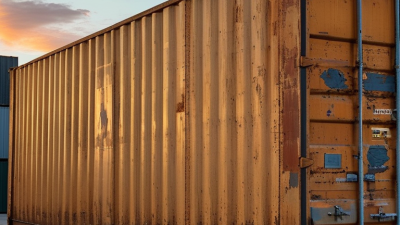


What Are the 2026 Top 40 ft Container Types and Sizes?
Choosing the right 40 ft container is not simply a matter of length. Cargo height, loading method, climate, weight, and handling equipment all influence the decision. In 2026, standard, high-cube, refrigerated, open-top, flat-rack, and other specialized designs remain important across global supply chains.
A standard 40 ft container usually provides about 12.03 meters of external length and 2.35 meters of external width. Its internal length is commonly near 12.0 meters, while usable height approaches 2.39 meters. A 40 ft high-cube container adds roughly 30 centimeters of internal height. That extra space can accommodate taller pallets, furniture, machinery, or carefully stacked cartons. Small differences matter.
Real specifications can vary by manufacturer, door design, flooring, and CSC-plate details. Therefore, published dimensions should guide planning, not replace a physical inspection. I have seen loading plans fail because teams measured the cargo but ignored door clearance. It happens.
This guide examines the leading 40 ft container types and sizes expected to remain widely used in 2026. It compares internal dimensions, cubic capacity, tare weight, payload limits, temperature-control features, and practical applications. Refrigerated units need power and airflow. Open-top models support overhead loading. Flat racks suit oversized cargo, but securing points and transport rules require careful review. No single option fits every shipment.
Readers should verify carrier limits, local handling requirements, and the container’s inspection records before booking. Manufacturer data is useful, yet real-world measurements remain more reliable. The aim is practical clarity: helping shippers match container design with cargo shape, loading conditions, and safe transport expectations.
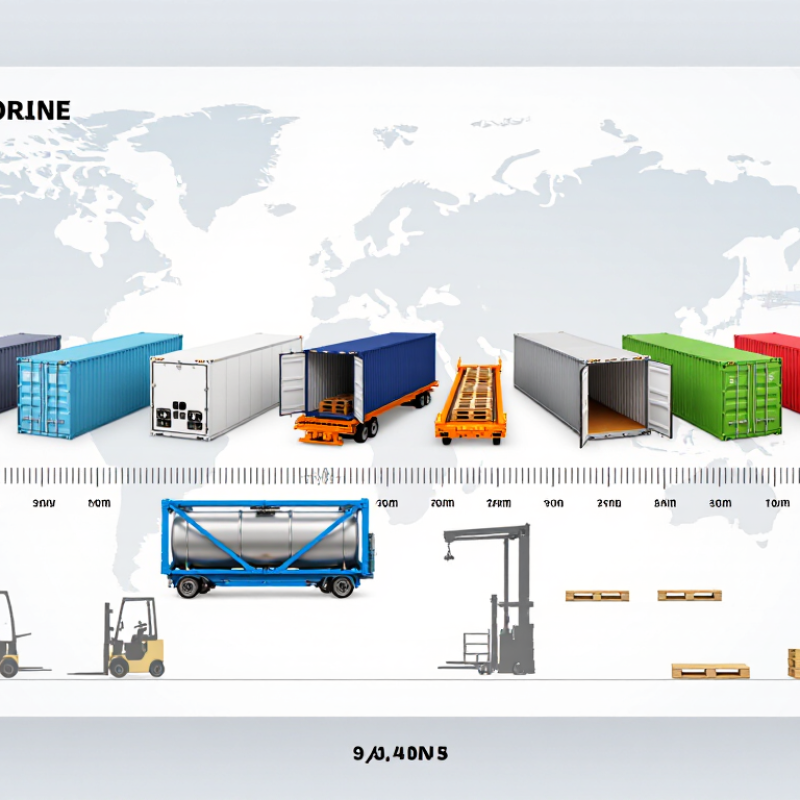
2026 ISO 40-Foot Container Types Defined by ISO 668
What Are the 2026 Top 40 ft Container Types and Sizes?
ISO 668 remains the key reference for 40-foot container dimensions in 2026. A standard 40-foot container measures 12,192 mm long and 2,438 mm wide externally. Its standard height is 2,591 mm. The high-cube version keeps the same length and width but reaches 2,896 mm high. That extra 305 mm can accommodate more cartons, though payload limits still matter.
General-purpose containers suit boxed cargo, machinery, and palletized goods. High-cube units provide additional vertical space for lightweight freight. Refrigerated containers use insulated walls and cooling equipment, so their internal volume is smaller. Open-top and flat-rack designs support tall, heavy, or irregular cargo. ISO 668 defines the main external dimensional framework, while related ISO standards address construction and performance requirements. This distinction is often overlooked.
UNCTAD’s Review of Maritime Transport 2024 recorded global container port throughput of about 858 million TEUs in 2023. That scale shows why dimensional consistency matters across ships, rail systems, and terminals. In practice, usable internal dimensions vary by door design, insulation, flooring, and corner fittings. A typical 40-foot dry container offers roughly 67 cubic metres, but published figures are not perfectly uniform. Measure the cargo, not only the container. Mistakes happen when a high-cube height is assumed without checking terminal clearance, lashing space, and loaded weight.
Standard 40-Foot Dry Container: 67.7 m³ Capacity and 2.39 m Interior Height
The standard 40-foot dry container remains a practical choice for general cargo in 2026. It provides about 67.7 m³ of internal capacity, with an interior height near 2.39 m. Typical internal dimensions measure approximately 12.03 m long and 2.35 m wide. Door openings are usually narrower, often around 2.34 m wide and 2.28 m high.
That difference matters. A pallet may fit inside the container but fail at the door. Cartons should be measured with packaging, corner protection, and handling space included. Weight also needs careful checking. Maximum payload varies by container design, age, and local transport limits. Never rely only on volume. A fully packed container can still become unsafe or inefficient when weight concentrates near one end.
Tips: Measure the largest package first. Leave clearance above the cargo. Use a loading plan before stuffing. Keep heavier units low and near the center. Check the actual container plate and shipping documents, because published figures are not always identical. This is where planning can become imperfect. A few centimeters may change the entire loading sequence. For tall cargo, compare the standard model with a high-cube version, which offers greater height but may not suit every route or handling facility.
What Are the 2026 Top 40 ft Container Types and Sizes?
Typical internal capacity and height comparison for common 40-foot container types
The standard 40-foot dry container provides approximately 67.7 m³ of internal volume with a 2.39 m interior height. The 40-foot high-cube dry container offers more vertical space and approximately 76.4 m³ of capacity, while a 40-foot refrigerated container typically provides about 67.5 m³ with an interior height near 2.55 m. Actual dimensions may vary slightly by container specification.
40-Foot High Cube: 76.4 m³ Capacity and 2.70 m Interior Height
The 40-foot high cube container remains a practical choice for bulky cargo in 2026. Its stated capacity reaches 76.4 m³, while the interior height is about 2.70 m. That extra vertical space matters when loading tall furniture, machinery parts, retail fixtures, or carefully stacked cartons.
Typical internal dimensions are close to 12.03 m long and 2.35 m wide. The door opening is usually lower than the interior roof, so measure the tallest package before booking transport. A pallet may fit inside, yet its wrapping, corner protection, or lifting method can change the result. Small details matter.
Do not rely on volume alone. The container’s tare weight, maximum payload, floor condition, and certification plate need checking before loading. A 76.4 m³ estimate can mislead if cargo cannot be rotated or stacked safely. Leave room for securing materials and airflow around sensitive goods. Load weight should remain evenly distributed, not concentrated near one end. In practical planning, a simple floor sketch often prevents expensive adjustments. The calculation may look perfect. The loading crew may still disagree. That is worth reviewing before dispatch.
40-Foot Reefer, Open-Top, and Flat-Rack Size Specifications
For 2026 cargo planning, three 40-foot container types remain especially practical: reefer, open-top, and flat-rack units. ISO 668:2020 sets the nominal 40-foot length at 12.192 metres and width at 2.438 metres. High-cube versions usually stand 2.896 metres high.
A 40-foot reefer typically offers 67–68 cubic metres of internal volume. Its internal length is about 11.58 metres, with roughly 2.29 metres of usable width. Temperature-controlled cargo reduces available space because of insulation and airflow channels. The payload commonly reaches 29 tonnes, but cooling equipment and route limits can reduce it. UNCTAD’s Review of Maritime Transport 2024 highlights continued growth in containerized shipping, making reliable cold-chain capacity increasingly important. Airflow matters more than simply filling every corner.
A 40-foot open-top container usually provides around 65 cubic metres. Its removable roof allows cranes to load tall or heavy machinery. Internal height often approaches 2.35 metres, but cargo may extend above the frame only under approved handling conditions. A 40-foot flat-rack uses a similar floor length, while collapsible end walls create an open platform. Payload ratings commonly range from 40 to 47 tonnes, depending on design and certification. The Bureau International des Containers emphasizes accurate equipment identification and inspection records. That estimate remains imperfect. Actual capacity depends on tare weight, lashing points, axle limits, and local handling rules.
Payload, Tare Weight, and 30,480 kg Gross-Mass Limits Under CSC Rules
In 2026, common 40 ft container types include standard dry, high-cube, refrigerated, open-top, and flat-rack units. A standard unit is about 12.19 metres long and 2.44 metres wide. A high-cube model usually adds about 30 centimetres of height. Internal dimensions vary by construction, door design, and insulation.
Gross mass means the container, cargo, dunnage, and securing materials together. The 30,480 kg limit is widely used, but it is not an automatic loading allowance. The CSC safety approval plate remains the controlling reference for each container. Tare weight often ranges from 3,800 to 4,200 kg for dry units, leaving roughly 26,280 to 26,680 kg of theoretical payload at that gross limit. Refrigerated and special-purpose containers usually weigh more. Their payload is lower. Real loading is less tidy.
Tips: Check the CSC plate before planning cargo. Confirm the tare weight on the container’s current markings. Weigh the packed unit using an approved method, then verify its gross mass before shipment. Distribute weight across the floor, not only near the doors. Uneven loading can create dangerous axle pressure, even when the total mass appears acceptable. Allow room for pallets, braces, and moisture-resistant materials. These details are easy to overlook. A container may fit the cargo by volume but fail by mass. Local transport rules can also impose lower road limits, so the 30,480 kg figure should never replace route-specific verification.
What Are the 2026 Top 40 ft Container Types and Sizes? — Payload, Tare Weight, and 30,480 kg Gross-Mass Limits Under CSC Rules
Typical specifications for widely used 40 ft container configurations. Dimensions and weights vary by construction, equipment, operating route, and the individual CSC safety approval plate.
| 40 ft Container Type | Typical External Dimensions (L × W × H, mm) |
Typical Internal Dimensions (L × W × H, mm) |
Door Opening (W × H, mm) |
Typical Tare Weight (kg) |
Typical Payload (kg) |
Reference Gross-Mass Ceiling (kg) |
Typical Applications and Notes |
|---|---|---|---|---|---|---|---|
| 40 ft Standard Dry Container | 12,192 × 2,438 × 2,591 | 12,032 × 2,352 × 2,395 | 2,340 × 2,280 | 3,700–4,000 | 26,480–26,780 | 30,480 | General cargo, cartons, machinery, furniture, and palletized goods. |
| 40 ft High Cube Dry Container | 12,192 × 2,438 × 2,896 | 12,032 × 2,352 × 2,698 | 2,340 × 2,585 | 3,900–4,200 | 26,280–26,580 | 30,480 | Extra internal height and volume for lightweight, bulky, or high-cube cargo. |
| 40 ft Double-Door Dry Container | 12,192 × 2,438 × 2,591 | 12,032 × 2,352 × 2,395 | 2,340 × 2,280 at both ends | 3,900–4,300 | 26,180–26,580 | 30,480 | End-loading access at both doors; useful for staged loading and unloading. |
| 40 ft Side-Opening Container | 12,192 × 2,438 × 2,591 | 12,032 × 2,352 × 2,395 | Side opening varies by design | 5,000–6,500 | 23,980–25,480 | 30,480 | Wide-side access for bulky cargo, retail displays, event equipment, and vehicles. |
| 40 ft High Cube Reefer Container | 12,192 × 2,438 × 2,896 | 11,580–11,650 × 2,280–2,290 × 2,500–2,550 | 2,290–2,300 × 2,480–2,550 | 4,500–5,000 | 25,480–25,980 | 30,480 | Temperature-controlled food, pharmaceuticals, chemicals, and other perishables; refrigeration machinery reduces payload compared with dry units. |
| 40 ft Standard Reefer Container | 12,192 × 2,438 × 2,591 | 11,550–11,650 × 2,280–2,290 × 2,250–2,300 | 2,290–2,300 × 2,180–2,280 | 4,300–4,800 | 25,680–26,180 | 30,480 | Refrigerated cargo where lower overall height is preferred; usable internal length is shorter than a dry container. |
| 40 ft Open-Top Container | 12,192 × 2,438 × 2,591 | 12,032 × 2,352 × 2,350–2,390 | 2,340 × 2,280 | 3,800–4,500 | 25,980–26,680 | 30,480 | Top-loading cargo such as timber, scrap, stone, machinery, and other tall or non-unitized loads; roof may be replaced by a tarpaulin. |
| 40 ft Hardtop Container | 12,192 × 2,438 × 2,591 | 12,032 × 2,352 × 2,350–2,390 | 2,340 × 2,280 | 4,000–4,800 | 25,680–26,480 | 30,480 | Removable steel roof and reinforced structure for dense, tall, or crane-loaded cargo. |
| 40 ft Platform / Flat Platform | 12,192 × 2,438 × 0–2,591 | Open platform; no enclosed internal volume | Not applicable | 5,500–6,500 | 23,980–24,980 | 30,480 | Oversized machinery, steel products, timber, and project cargo; cargo must remain within permitted load and lashing limits. |
| 40 ft Flat Rack Container | 12,192 × 2,438 × 2,591 | Open deck; folding or fixed end walls | Not applicable | 5,500–6,000 | 24,480–24,980 | 30,480 | Heavy, wide, or tall project cargo; payload also depends on concentrated-load and over-dimension restrictions. |
| 40 ft Collapsible Flat Rack | 12,192 × 2,438 × 2,591 | Open deck; folding end walls | Not applicable | 5,800–6,500 | 23,980–24,680 | 30,480 | Project cargo and empty-unit repositioning; folded height and stacking arrangement depend on the approved design. |
| 40 ft Tank Container | 12,192 × 2,438 × 2,591 | Tank vessel within an ISO frame; tank diameter varies | Not applicable | 4,000–5,000 | 25,480–26,480 | 30,480 | Bulk liquids, powders, and gases subject to tank type, dangerous-goods, pressure, and filling requirements. |
| 40 ft Pallet-Wide Dry Container | 12,192 × 2,500–2,550 × 2,591 | 12,032 × 2,420–2,440 × 2,395 | Typically 2,400–2,450 × 2,280 | 3,900–4,300 | 26,180–26,580 | 30,480 | Designed for improved pallet utilization; external width may exceed the standard ISO profile and requires route compatibility checks. |
CSC and weight note: The 30,480 kg figure is used here as the reference maximum gross mass for a common 40 ft ISO container configuration. Under the International Convention for Safe Containers (CSC), the permitted gross mass is the value shown on the specific container’s valid CSC safety approval plate. Gross mass equals tare weight plus cargo weight, and the lower limit must always be observed. Actual payload may also be restricted by road, rail, port, axle-load, cargo-securing, dangerous-goods, or equipment-specific requirements.
Related Posts
-
What Is the Best 40 ft Shipping Container for Global Buyers?
-
Why Choose a 40 ft Storage Container?
-
What Are the 2026 Top Types of 40 Ft Storage Containers?
-

What Are the Uses of 40ft Containers in Shipping?
-

Why Choose a 40 ft Container for Your Shipping Needs?
-
Top 10 Shipping Container Sizes What You Need to Know?