Best Cargo Container Sizes for Global Shipping Needs?
The global shipping industry heavily relies on various cargo container sizes. In 2020, approximately 200 million TEUs (twenty-foot equivalent units) were transported worldwide. Different cargo types require specific container dimensions for optimal shipping efficiency. Knowing the best cargo container sizes can greatly reduce shipping costs and enhance logistics.
According to the International Maritime Organization, the standard 20-foot and 40-foot containers dominate the market, comprising 85% of all containers in use. However, specialized sizes, such as 40-foot high cubes and reefer containers, are increasingly vital depending on the type of goods transported. For instance, high cube containers offer an extra foot of height, allowing for more volume and higher capacity.
Despite the clear advantages of knowing cargo container sizes, many shippers still face challenges. A lack of understanding can lead to inefficient loads, higher transport costs, and supply chain delays. It's essential to continuously assess container needs based on shipment type and destination. The shipping industry requires adaptable strategies to ensure timely and cost-effective delivery across global markets.
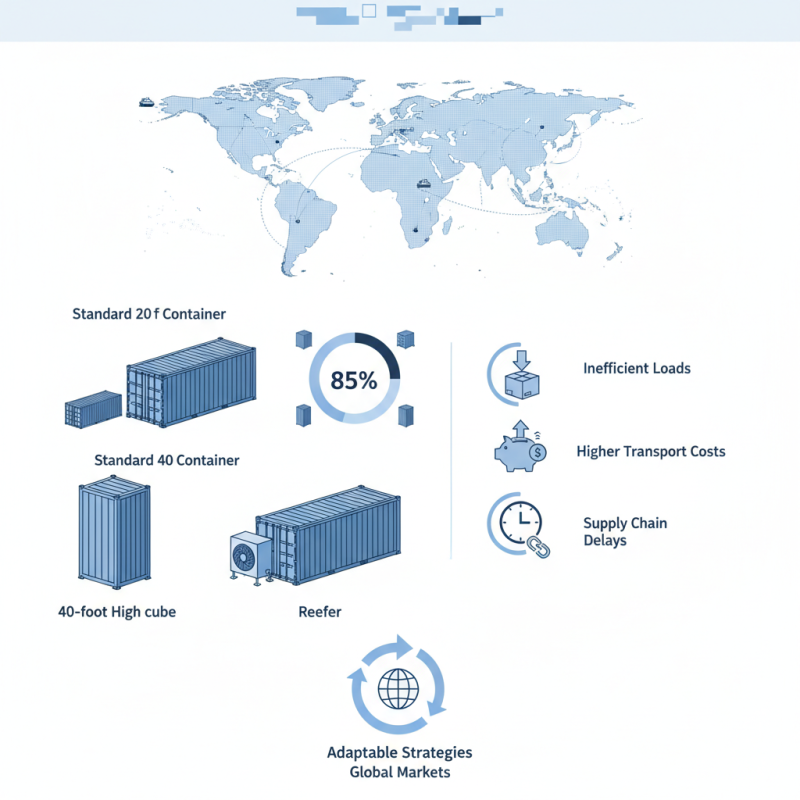
Overview of Cargo Container Sizes in Global Shipping
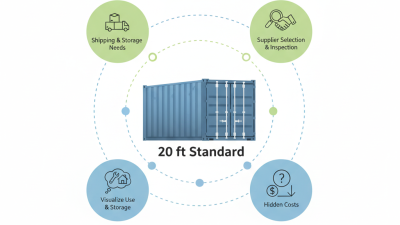
Cargo containers are essential in global shipping. Their sizes influence efficiency and costs. The International Organization for Standardization (ISO) has standardized two main types: 20-foot and 40-foot containers. These dimensions help streamline logistics worldwide.
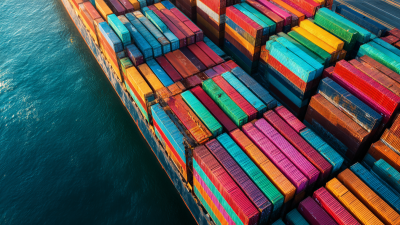
According to industry reports, about 90% of global trade is carried by container ships. The popularity of the 20-foot container stems from its versatility. It can hold approximately 28,200 kilograms. On the other hand, the 40-foot container can carry up to 30 tons. This increase allows for more cargo in one trip, but it poses challenges in heavy loading and unloading scenarios.
Choosing the right size is crucial for shipping operations. Smaller containers are easier to handle but may require more trips. Larger containers reduce the number of trips. However, they may exceed loading limits at ports. Logistics companies must consider these factors to optimize shipping processes. Adapting to regional needs adds another layer of complexity. It’s a balancing act that requires ongoing evaluation.
Best Cargo Container Sizes for Global Shipping Needs
| Container Type |
Length (ft) |
Width (ft) |
Height (ft) |
Capacity (CBM) |
| 20' Standard Container |
20 |
8 |
8.5 |
33.2 |
| 40' Standard Container |
40 |
8 |
8.5 |
67.7 |
| 40' High Cube Container |
40 |
8 |
9.5 |
76.4 |
| 45' High Cube Container |
45 |
8 |
9.5 |
85.0 |
| 10' Standard Container |
10 |
8 |
8.5 |
15.9 |
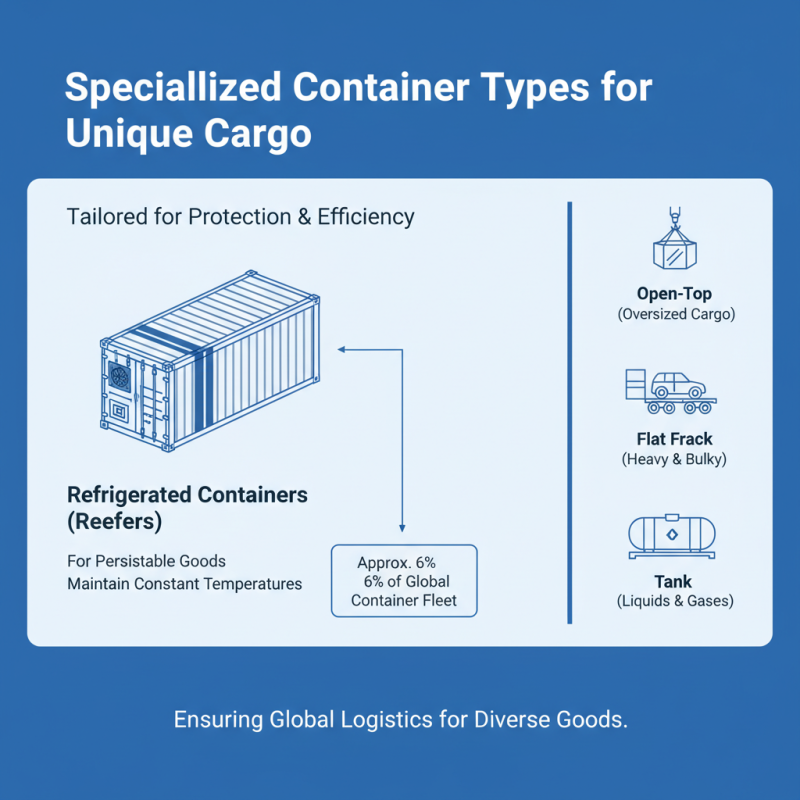
Specialized Container Types for Unique Cargo
When it comes to global shipping, specialized containers cater to unique cargo needs. Different types exist to ensure protection and efficiency. For instance, refrigerated containers, or reefers, maintain temperatures for perishable goods. They account for approximately 6% of the total container fleet. This statistic underscores their importance in international logistics.
Tank containers serve liquids and hazardous materials. These robust structures hold up to 24,000 liters and comply with strict international regulations. Using a tank container minimizes risks associated with spills. An expert report noted that such containers can reduce transport costs by up to 30% for bulk liquids.
**Tip**: Always assess the specific requirements of your cargo. Choosing the right container type ensures safety and cost-effectiveness.
Flat rack containers are ideal for oversized cargo. They accommodate heavy equipment or machinery. However, proper securing methods are crucial. An improperly secured load can lead to damage during transit. Industry research indicates that nearly 12% of cargo damage reports arise from inadequate securing techniques.
**Tip**: Consult with logistics professionals to select the best container size. They can provide insights tailored to your cargo and destination.
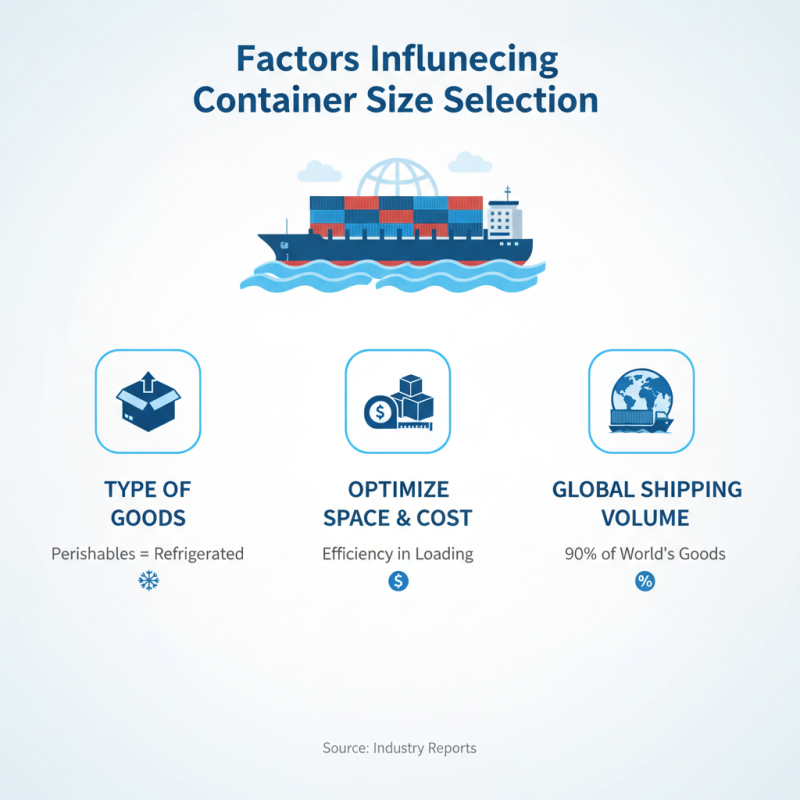
Factors Influencing Container Size Selection
Choosing the right cargo container size is crucial for global shipping. Various factors can influence this decision. One key element is the type of goods being transported. For instance, perishable items often require refrigerated containers. According to industry reports, approximately 90% of the world’s goods are transported via shipping containers. This highlights the importance of selecting the appropriate size to optimize space and cost.
Another factor is the destination's port facilities. Not all ports can accommodate large containers. A report by the International Maritime Organization indicates that many ports have weight and size restrictions. Thus, understanding local infrastructure is vital for efficient shipping. Limited port capabilities can lead to increased transportation costs and delays.
*Tip: Always consult local regulations and port specifications before selecting a container size. This can save time and money.*
Weight also plays a significant role. The International Maritime Organization recommends considering payload limits. Some containers are designed for heavy cargo, while others are better suited for lighter, bulkier items. Misjudging the weight limits can lead to fines and safety risks.
*Tip: Review payload limits carefully to avoid penalties. Accurate weight assessments support safer shipping practices.*
Remember, selecting the right container size involves balancing cargo needs, port capabilities, and weight restrictions. Evaluate all these factors thoroughly to enhance your shipping strategy.
Future Trends in Cargo Container Sizes and Shipping Needs
The global shipping industry is witnessing significant changes in cargo container sizes. According to a report by the World Shipping Council, container shipping volumes are expected to grow by approximately 4% annually over the next decade. This growth is driving a reevaluation of standard container dimensions. Larger vessels are being deployed, necessitating adaptations in container sizes.
Current trends indicate a shift towards high-capacity containers. For instance, 45-foot containers are gaining popularity, provided they maximize cargo space without compromising safety. Yet, this evolution comes with challenges. Increased sizes may result in less flexibility in port facilities that are not equipped to handle such dimensions.
Moreover, sustainability is becoming a core consideration. The International Maritime Organization's recent regulations aim for a 50% reduction in greenhouse gas emissions by 2050. As shipping companies strive to comply, smaller, more efficient containers might become more favorable. This could lead to innovative designs that balance capacity and environmental impact, yet the adaptation process can be complex and requires careful planning.
Best Cargo Container Sizes for Global Shipping Needs