Best Sea Container Options for Global Buyers?
When considering global trade, choosing the right sea container is crucial. Sea containers transport goods efficiently over long distances. Their durability and standardization make them essential in international shipping. However, selecting the best sea container options can be challenging.
There are various types of sea containers available for different needs. Buyers must assess their specific requirements carefully. Factors such as size, weight, and material play significant roles in this decision. Additionally, understanding the market trends can impact the selection process. Each choice has its advantages and drawbacks.
Shipping logistics can be complex. The right sea container can minimize risks and improve supply chain efficiency. However, it’s important to reflect on previous shipping experiences. Mistakes can lead to costly delays. Buyers must weigh options thoughtfully to ensure reliable delivery of their goods.
Best Sea Container Options for Global Buyers
When considering sea container options for global trade, buyers must focus on quality and compliance. The right container can significantly impact the safety of goods during transit. Choose containers with proper insulation for temperature-sensitive items. This helps prevent spoilage in various climates.
Understanding container types is crucial. Standard containers, refrigerated units, and flat racks serve different needs. Each type comes with specific features that affect usability. For example, refrigerated containers require a stable power source. Flat racks offer flexibility for oversized cargo. Nevertheless, not all shipments need specialized containers. Often, standard options suffice for non-perishable goods.
Buyers should also consider logistics and transit times. Delays in shipment can lead to unexpected costs. Regular communication with shipping partners is vital. However, many find it challenging to navigate the complexities of international shipping. Being aware of seasonal trends can help in planning shipments better. Each shipping route has its own quirks, and understanding these can save time and money.
Factors Influencing Sea Container Selection in International Shipping
Selecting the right sea container for international shipping involves several critical factors. One major consideration is the nature of the cargo. Perishable goods require temperature-controlled options. On the other hand, fragile items need extra padding and secure packing techniques. The choice of container can significantly affect the safety and integrity of the shipment.
Another important aspect is the destination. Different regions have varied port facilities. Some ports may have limitations on container sizes or types. Understanding these regional characteristics ensures smoother customs processes. Additionally, the overall cost plays a significant role. Buyers should analyze shipping rates, container rental costs, and any additional fees that may arise.
It's essential to consider the environmental impact as well. Some containers are more eco-friendly than others. This factor is increasingly relevant for buyers conscious of sustainability. However, balancing cost and environmental considerations can be challenging. As the industry evolves, it is crucial to stay informed about innovative container solutions. This adaptability will strengthen a buyer's position in the global market.
Comparison of Container Types: Standard, Refrigerated, and Specialized
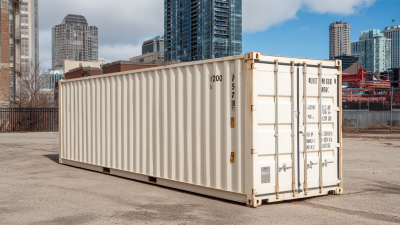
When selecting sea containers, understanding the types available is crucial for global buyers. Standard containers are versatile and efficient. They come in various sizes, typically 20 or 40 feet. These are ideal for transporting general cargo. Their sturdy design ensures goods remain safe during transportation. However, these containers lack climate control, which can be a downside for sensitive items.
Refrigerated containers, often referred to as reefers, maintain specific temperatures. These are essential for perishable goods like food and pharmaceuticals. They prevent spoilage and ensure freshness throughout transit. Buyers should consider the energy consumption and maintenance of reefers; they require more attention than standard containers.
Specialized containers cater to unique needs. They include tank containers for liquids and flat racks for heavy equipment. These options offer flexibility but can be more expensive. Buyers must analyze their cargo requirements carefully. Not every shipment needs a specialized container. Overspending on unnecessary features can impact budgets.
**Tips:** Always evaluate the nature of your goods before selecting a container type. Researching local regulations can prevent unexpected issues. Lastly, involve experts when in doubt about container choices.
Best Sea Container Options for Global Buyers
| Container Type |
Dimensions (LxWxH) |
Weight Limit (kg) |
Best Use |
Cost Estimate (USD) |
| Standard Container |
20' x 8' x 8.5' |
30,480 |
General cargo, dry goods |
1,500 - 3,500 |
| Refrigerated Container |
20' x 8' x 8.5' |
30,480 |
Perishable goods, pharmaceuticals |
2,000 - 4,500 |
| High Cube Standard Container |
40' x 8' x 9.5' |
28,800 |
Light but voluminous cargo |
2,000 - 4,000 |
| Open Top Container |
20' x 8' x 8.5' |
30,480 |
Over-height cargo, machinery |
1,800 - 3,800 |
| Flat Rack Container |
40' x 8' x 8.5' |
30,480 |
Heavy machinery, vehicles |
2,500 - 5,000 |
Cost Analysis: Shipping Rates and Container Purchase Trends
When considering the financial aspects of sea container purchases, understanding current shipping rates is crucial. Reports from the Global Container Shipping Index reveal that shipping costs fluctuated significantly over the past year. On average, ocean freight rates increased by 30% from January to June. Factors driving these rates include fuel prices and port congestion.
Container prices have also seen noticeable trends. According to the World Shipping Council, the cost of a 40-foot container rose by approximately 15% in the last quarter. Prospective buyers often face challenges, as availability can be inconsistent. During peak trading seasons, supply chain disruptions further complicate purchasing.
Buyers should stay updated on market reports. This helps them make informed decisions. Relying on outdated data can lead to costly mistakes. It's also important to analyze hidden costs, such as insurance and storage fees. These factors can significantly impact the overall investment in sea containers. Understanding these dynamics ensures more strategic sourcing and budget management.
Sustainability in Container Shipping: Eco-friendly Options and Practices
Sustainability in container shipping is gaining traction globally. The industry is under pressure to reduce its carbon footprint. According to the International Maritime Organization (IMO), shipping accounts for about 3% of global greenhouse gas emissions. This statistic emphasizes the need for eco-friendly practices in container shipping.
One promising option involves using biofuels. These fuels can cut carbon emissions significantly. A study from the Global Maritime Forum highlights that using sustainable biofuels could reduce greenhouse gas emissions by up to 80%. However, challenges remain, such as sourcing and production scalability.
Innovative solutions like wind-assisted propulsion are emerging. Vessels equipped with sails or kites could save around 10-20% in fuel costs. Yet, the technology is still in its early stages. Not all ships are ready to adopt these systems. Efficiency gains are crucial, but hesitation persists in implementation. As the industry continues to grapple with these dilemmas, finding viable solutions will be essential for long-term sustainability.