10 Best Shipping Containers for Your Storage and Shipping Needs in 2023
In recent years, the utilization of shipping containers has transcended their traditional role in transportation, evolving into versatile solutions for storage and shipping needs across various sectors. These robust and weather-resistant structures have become increasingly popular among businesses and individuals looking for efficient, secure, and cost-effective methods to manage goods. The growing demand for shipping containers underscores their adaptability, providing not only a means to streamline logistics but also innovative storage solutions for personal use, construction projects, and more.
This article presents a curated list of the 10 best shipping containers available in 2023, focusing on aspects such as durability, design, and overall functionality. As we delve into the features that make these containers stand out, we will explore how they can cater to different requirements, whether for commercial shipping or private storage. By understanding the diverse applications and benefits of shipping containers, readers can make informed decisions that align with their specific needs, enhancing efficiency and organization in their storage and shipping endeavors.
Types of Shipping Containers Available in 2023
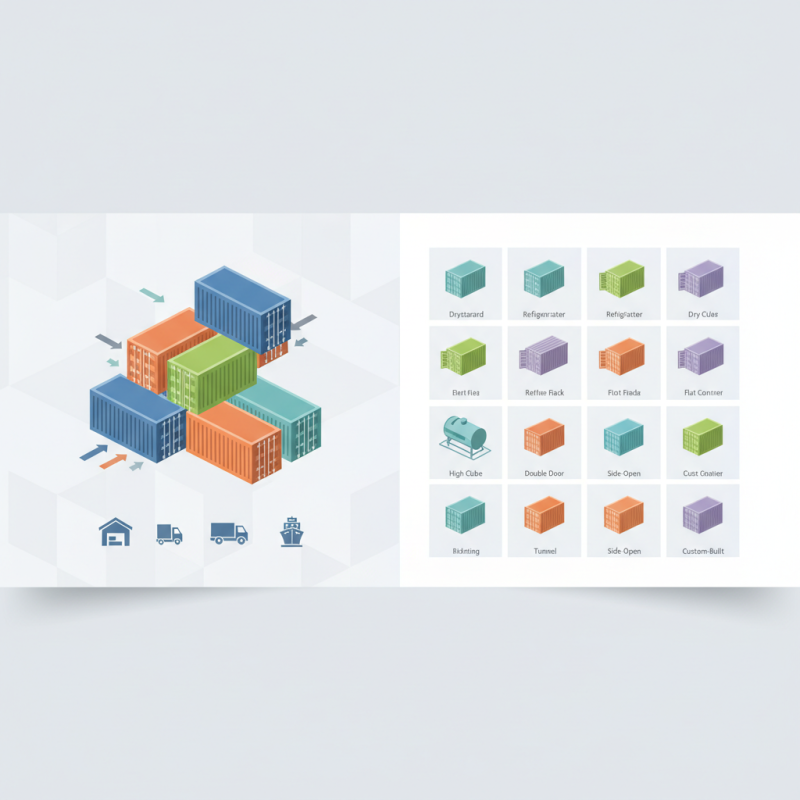
In 2023, the shipping container industry continues to evolve, offering a diverse range of options tailored to various storage and shipping needs. Among the prominent types of shipping containers are standard dry containers, which are the most widely used. These containers come in 20-foot and 40-foot lengths, providing a versatile solution for both domestic and international shipping. According to a recent report by the Container Owners Association, the demand for dry containers is expected to grow by 4% annually, indicating their ongoing relevance in the logistics sector.
In addition to standard dry containers, specialized containers have gained traction. Refrigerated containers, or reefers, are pivotal for transporting perishables and pharmaceuticals. With the global cold chain market projected to reach $585 billion by 2026, the role of refrigerated containers becomes increasingly critical. Moreover, High Cube containers, designed with additional height, cater to businesses requiring extra space for bulky items while maximizing freight efficiency. As per the latest data from Transport Intelligence, the market for high cube containers has surged, reflecting a 5% increase in demand, driven by the growing need for accommodating larger shipments.
Furthermore, unique designs such as open-top containers and flat racks cater to industries requiring the transportation of oversized or irregularly shaped cargo. The versatility of these containers ensures they meet the varying demands of global trade, reinforcing their importance in an ever-evolving shipping landscape. With advancements in technology and an increasing push towards sustainability, the shipping container market is poised for continued innovation and adaptation.
10 Best Shipping Containers for Your Storage and Shipping Needs in 2023
Factors to Consider When Choosing a Shipping Container
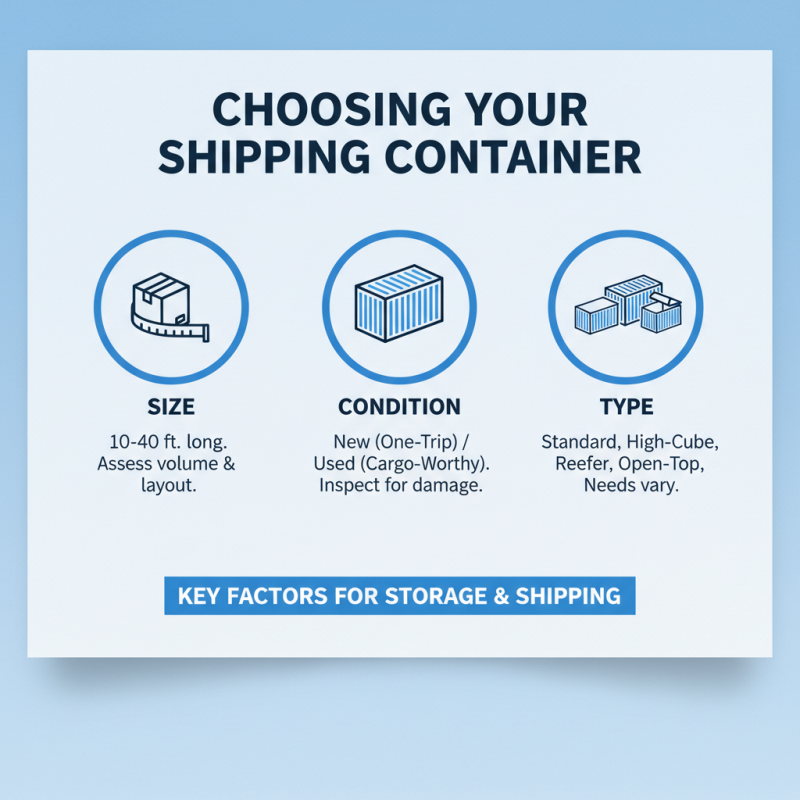
When choosing a shipping container for storage or shipping needs, several key factors must be considered to ensure you make the right investment. First, the container size is crucial. Shipping containers come in various dimensions, typically from 10 to 40 feet long. Assessing the volume of items you plan to store or transport will help determine the appropriate size. Additionally, consider the layout of your storage area or the logistical requirements for shipping, as this may influence your decision.
Another important factor is the container's condition. New containers are generally more durable and less prone to leaks or damage, making them a good option for long-term use. However, used containers can be a more cost-effective solution, provided they are inspected for structural integrity, rust, and any signs of wear and tear. Furthermore, consider the insulation and ventilation capabilities, especially if you plan to store sensitive goods that require temperature control. Ensuring proper ventilation can prevent moisture buildup, protecting your cargo from potential damage. Overall, taking the time to evaluate these factors will enhance your satisfaction with the shipping container you choose.
Top 10 Shipping Containers for Various Storage Needs
When it comes to storage solutions, shipping containers have emerged as a versatile option that meets a wide array of needs. With the global shipping container market valued at approximately $9.5 billion in 2022 and projected to grow, their practicality and durability make them a popular choice for both residential and commercial applications. In 2023, various types of shipping containers are being utilized for storage—ranging from 20-foot standard containers ideal for personal belongings to larger high-cube containers that offer extra height for bulky items.
One significant advantage of using shipping containers for storage is their portability, allowing for easy relocation as needs change. According to data from the Container Industry Report, around 28% of businesses using storage containers cite flexibility as a primary factor in their decision. Additionally, many industries, including construction, retail, and agriculture, are increasingly harnessing these containers for secure onsite storage, demonstrating their adaptability across different sectors. Their robust design also provides enhanced security compared to traditional storage methods, making them a preferred solution for safeguarding valuable assets.
In conclusion, shipping containers offer a unique blend of flexibility, security, and durability that caters to a variety of storage needs in 2023. As the market continues to expand, organizations and individuals alike are increasingly recognizing the benefits of integrating these containers into their logistical and storage strategies, ensuring that they can meet both current and future demands.
How to Maintain and Care for Your Shipping Container
Maintaining and caring for your shipping container is essential for prolonging its lifespan and ensuring it serves its purpose effectively. Regular inspections should be carried out to identify any signs of rust, corrosion, or structural damage. Pay close attention to the corners and the underside, as these areas are prone to water accumulation which can lead to deterioration. Additionally, it’s vital to keep the container clean; a simple wash with soap and water can prevent the buildup of dirt and debris that can cause long-term damage.
Another critical aspect of shipping container care is protecting it from moisture. If the container is used for storing valuable items, consider using silica gel packets or moisture absorbers to keep the interior dry. Furthermore, routinely check and repair any seals or gaskets on doors to prevent leaks. If the container is exposed to harsh weather conditions, deploying a protective coating or paint can enhance resistance against the elements. By implementing these maintenance tips, you can ensure that your shipping container remains in optimal condition for both storage and transport needs.
Cost Analysis: Budgeting for Your Shipping Container Purchase
When considering a shipping container for storage or shipping needs in 2023, budgeting is a crucial aspect that requires an informed approach. The average cost of a new shipping container ranges from $3,000 to $5,000, depending on size and condition. However, it's important to factor in additional expenses such as transportation, modifications, and maintenance. According to a report by Freightos, the price of shipping containers has experienced fluctuations; in 2021, prices surged up to 300% due to supply chain disruptions, but the market is stabilizing with a projected growth of around 5% annually moving forward.
In addition to the initial purchase cost, potential buyers should also consider ongoing expenses associated with owning a shipping container. Maintenance costs, which can include rust treatment and repairs, are typically around $200 to $300 annually. Furthermore, if modifications are necessary—such as insulation or added windows—these costs can escalate quickly, with estimates ranging from $1,000 to $4,000 depending on the complexity of the customization. It’s advisable to conduct a thorough cost-benefit analysis to ensure the investment aligns with long-term storage or shipping strategies, taking into account not only the purchase price but also potential hidden costs that can accumulate over time.