Best Storage Solutions for Shipping Containers Worldwide?
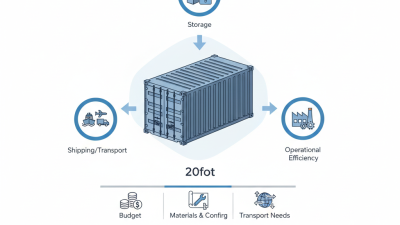
Shipping containers have become essential for global trade, with over 90% of goods transported by sea. The rise in e-commerce further fuels the demand for effective storage solutions. When considering storage for shipping containers, several factors come into play, including accessibility, security, and environmental impact.
Recent reports indicate that the container storage market is expected to grow at a CAGR of 4.5% over the next five years. This highlights the importance of efficient storage strategies, as businesses seek to optimize space and operations. Many companies are exploring innovative solutions like modular storage systems or repurposed shipping containers.
However, it's crucial to acknowledge the challenges. Not all storage options are sustainable or cost-effective. Companies may struggle with zoning regulations and site selection. As the industry evolves, reevaluating approaches to storage for shipping containers will be vital for maximizing efficiency and reducing waste.
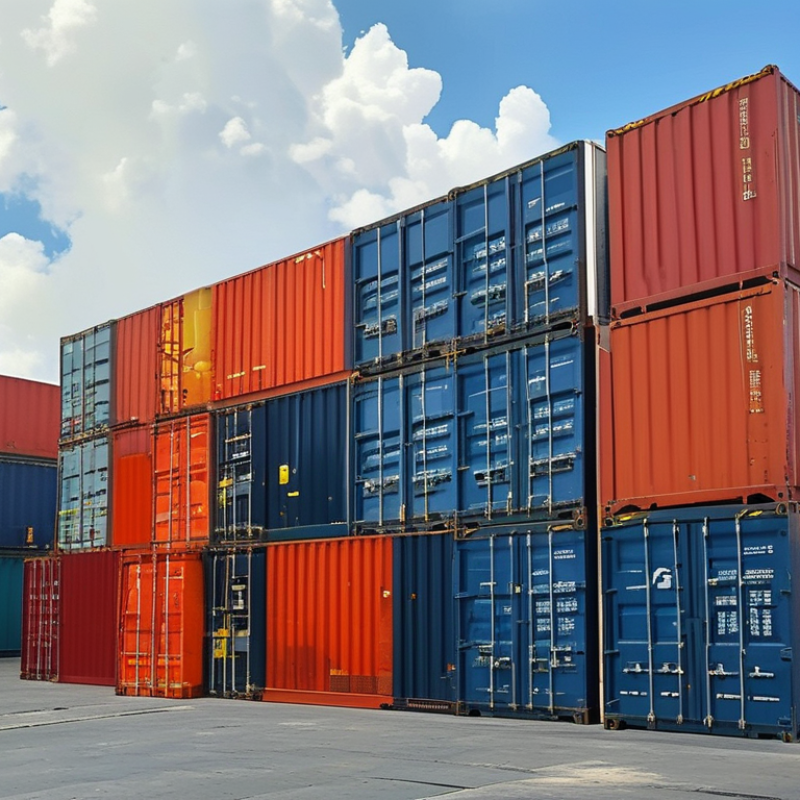
Understanding the Role of Shipping Containers in Global Trade
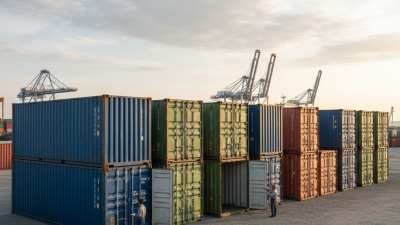
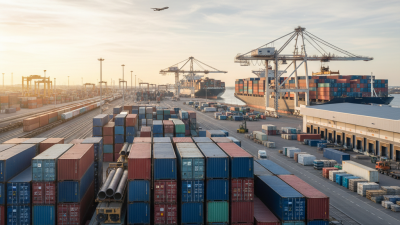
Shipping containers play a crucial role in global trade. They are used to transport goods efficiently across vast distances, ensuring timely deliveries. The standardized sizes of these containers allow for easy stacking and handling, maximizing cargo space. However, their effectiveness depends on proper management and storage solutions.
One key aspect to consider is how to organize containers in warehouses and docks. Proper labeling can streamline the retrieval process. Additionally, using a systematic approach for loading and unloading helps prevent damage. Narrow aisles may reduce space but can hinder movement. Finding a balance is essential.
When choosing storage solutions, think about accessibility. Ensure containers are arranged for easy access to important items. Consider the weather too. Extreme temperatures can impact the contents inside. Ventilation may be necessary to prevent mold, especially for sensitive goods. Prioritizing these factors can enhance operational efficiency.
Best Storage Solutions for Shipping Containers Worldwide
| Container Type |
Storage Capacity (Cubic Meters) |
Typical Uses |
Climate Control |
Security Features |
| 20-ft Standard Container |
33.2 |
General Cargo |
No |
Lockbox, Heavy-duty Steel |
| 40-ft High Cube Container |
76.4 |
Furniture, Machinery |
No |
Lockbox |
| 40-ft Refrigerated Container |
67.7 |
Perishables, Pharmaceuticals |
Yes |
Lockbox, Temperature Monitoring |
| 20-ft Open Top Container |
32.5 |
Heavy Equipment, Bulk Materials |
No |
Lockbox |
| 10-ft Container |
15.5 |
Smaller Goods, Tools |
No |
Lockable Doors |
Types of Storage Solutions for Shipping Containers
When considering storage solutions for shipping containers, various types are available to meet diverse needs.
One effective option is on-site storage. This involves placing containers at a specific location for ease of access.
On-site storage can be beneficial for businesses with frequent shipping and receiving activities.
However, security may be a concern. Conducting regular inspections can mitigate risks.
Another approach is off-site storage. This provides a dedicated facility to house containers away from the main operational area.
Such facilities often offer enhanced security features, protecting valuable goods from theft or environmental damage.
Yet, the distance can lead to logistical challenges. Coordinating transportation might become more complex and costly.
Specialized storage solutions also exist. For example, climate-controlled environments cater to sensitive items, ensuring optimal conditions.
Conversely, this adds to operational expenses. Businesses must weigh the benefits against potential costs.
Ultimately, the choice of storage solution should align with specific requirements and operational dynamics.
Balancing efficiency with security and cost-effectiveness is crucial for success.
Factors to Consider When Choosing Storage Solutions
When selecting storage solutions for shipping containers, several key factors demand attention. The first consideration is security. In 2022, the global market for shipping container security systems was valued at approximately $1 billion, highlighting the importance of safeguarding assets. Effective locks and surveillance cameras can deter theft, yet many overlook the psychological comfort that security measures provide.
Another crucial factor is climate control. Shipping containers exposed to extreme temperatures can compromise their contents. According to the World Bank, climate-related damage accounts for nearly $500 billion in losses each year. Insulation and ventilation solutions can mitigate these risks, but they often require ongoing maintenance. The cost associated with climate control can add up, raising the question of whether it is always necessary.
Accessibility also plays a vital role. Many users underestimate the importance of ease of access. A report from the International Maritime Organization emphasizes that logistical efficiency can reduce operational costs by 20%. Installing ramps or ensuring wide pathways may seem trivial, but they can drastically improve workflow. As businesses adapt, these seemingly minor details can have substantial impacts on overall efficiency.
Best Storage Solutions for Shipping Containers Worldwide
Innovative Storage Technologies for Shipping Containers
Innovative technologies are transforming storage solutions for shipping containers globally. A recent industry report noted that the container logistics market is projected to reach $15.2 billion by 2027. This growth reflects the increasing demand for efficient and reliable storage systems. Companies are adopting smart storage solutions, integrating IoT devices to track and manage inventory. These advancements enhance visibility and reduce operational costs for businesses.
Visualizing container aesthetics is also significant. Modern storage technologies include customizable modular designs. Such solutions allow businesses to configure spaces according to their needs. Smart shelving units and automated retrieval systems are becoming prevalent. These enhance accessibility and optimize storage space.
While the benefits are clear, challenges remain. Not every company has the budget for high-tech solutions. Smaller businesses may struggle to integrate such systems efficiently. Therefore, focusing on the most impactful technologies is essential for cost efficiency. Analyzing specific needs can help prioritize spending on storage that drives the most value. Always stay informed about emerging technologies. This helps to ensure that storage solutions remain relevant and effective.
Best Practices for Organizing and Maintaining Container Storage
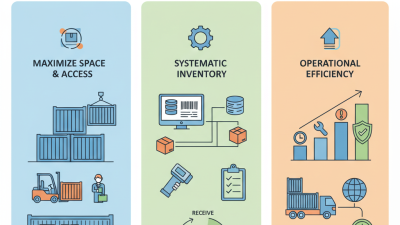
Organizing and maintaining container storage requires strategic planning. Start by assessing the available space
and the contents of each container. Create a detailed inventory list. This helps identify what is inside each
container. Regularly updating this inventory will improve efficiency and accessibility. Keeping everything
documented avoids guesswork when searching for items.
Implementing a shelving system can maximize vertical space. Use clear bins to store smaller items. Label each
bin clearly to facilitate easy retrieval. Regularly check the condition of stored items to prevent deterioration.
Maintain a clean environment within containers to avoid clutter. This practice not only enhances organization
but also ensures safety.
Reflecting on past experiences can lead to better practices. Consider what worked and what didn’t. Encourage
feedback from team members involved in the process. Their insights can reveal areas for improvement. Emphasizing
regular maintenance and re-evaluation will lead to a more effective storage solution over time.