

How to Buy a 20 ft Shipping Container in 2026?

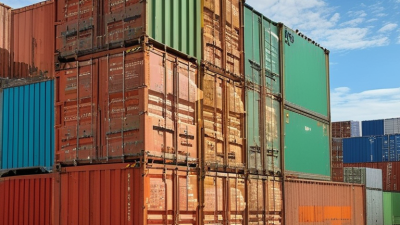
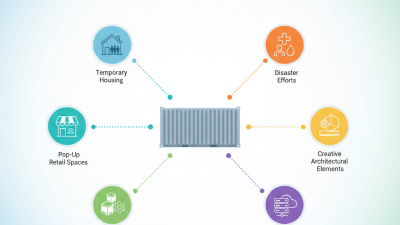
Buying a 20 ft shipping container in 2026 requires more than comparing online prices. It demands careful checking, realistic budgeting, and a clear understanding of your intended use. A container may become storage, workshop space, site equipment housing, or a modified office. Each purpose changes the condition, features, and delivery requirements you should consider.

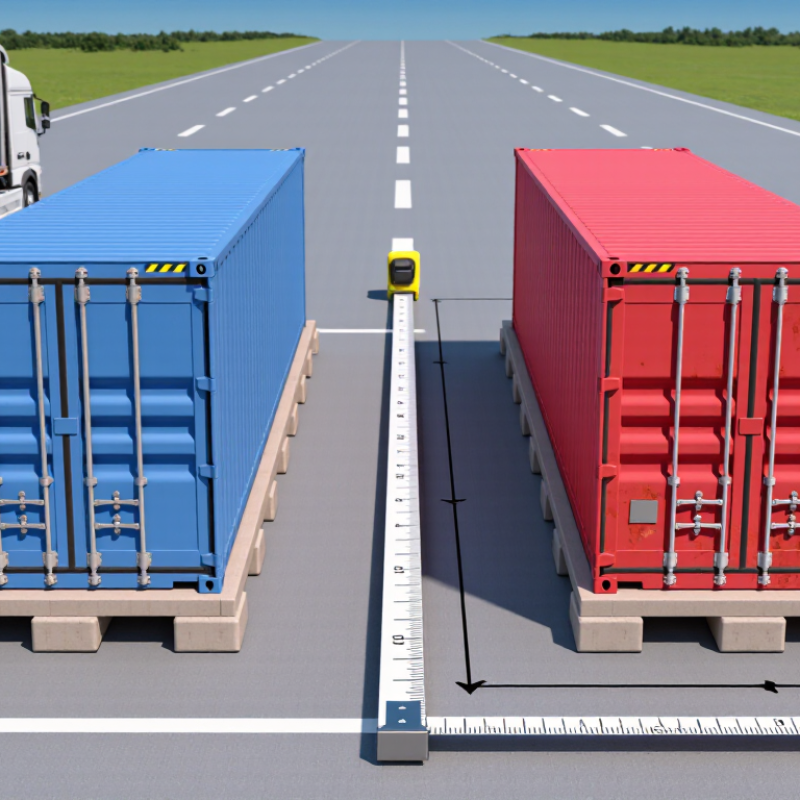
Start by defining your location, access conditions, and budget. Measure gates, driveways, turning areas, and the planned foundation. A truck may need several metres of clearance. Small details matter. Check the container’s external dimensions, door operation, floor condition, roof integrity, and previous cargo history. Ask suppliers for recent photographs, inspection records, and a written condition description. Reputable sellers should explain grading terms, delivery charges, taxes, and possible crane fees without vague promises.

Prices often look simple online. They are not always complete. Delivery can become the largest surprise, especially on restricted sites or long-distance routes. Compare quotes using the same specifications, including container age, flooring, lock bars, ventilation, and paint condition. A new “one-trip” unit may offer cleaner surfaces, while a used unit can provide better value for ordinary storage. Neither choice is automatically right.

Even experienced buyers miss access problems. That deserves reflection. A container that cannot reach your property is not a bargain. Verify supplier credentials, payment protections, and applicable local requirements before committing. This guide explains the buying process with practical details, professional checks, and honest cautions, helping you choose confidently without treating every attractive listing as reliable.
How to Buy a 20 ft Shipping Container in 2026?

Define Your 20 ft Shipping Container Requirements

Define Your 20 ft Shipping Container Requirements

Before buying a 20 ft shipping container, decide how you will use it. Cargo transport, on-site storage, workshops, and temporary projects require different specifications. A dry storage unit may suit boxed goods, while moisture-sensitive materials need better seals and ventilation. Write down the items, their weights, and the required storage period.

Measure the largest item before contacting a seller. A standard 20 ft container usually offers about 19 feet of internal length, but dimensions vary. Check the door opening, internal height, floor condition, and maximum payload. Heavy equipment may require reinforced flooring or wider access. Inspect the roof for dents, rust, and standing water marks. Small leaks become expensive problems.

Delivery conditions matter as much as the container itself. Confirm the truck’s access route, turning space, ground strength, and unloading method. The unit needs a level base, such as concrete blocks or a prepared gravel pad. Ask for current photos, inspection details, and clear information about repairs. A valid safety certification may be necessary when the container will travel internationally.

I once focused too heavily on purchase price. Delivery and site preparation changed the final cost. That mistake was avoidable. Also, avoid assuming every “wind and watertight” unit is equally dry. Request a live inspection when possible, and test the doors before accepting delivery. Your written requirements should include condition, dimensions, flooring, ventilation, delivery limits, and the intended use.

Compare New, Used, and Refurbished Container Conditions

How to Buy a 20 ft Shipping Container in 2026?

In 2026, buying a 20-foot shipping container starts with choosing the right condition. A new container offers clean walls, an unused floor, and predictable structural strength. It usually costs more, but repairs should be limited. Confirm the manufacturing date, door operation, floor treatment, and available inspection documents. A warranty sounds useful, yet its terms can be narrow.

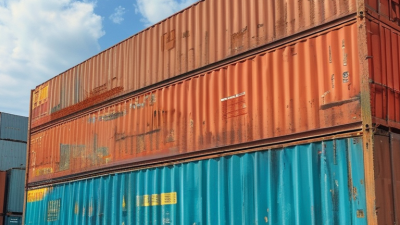
Used containers can provide strong value when inspected carefully. Check the corner posts, roof seams, door gaskets, and floor boards for damage. Look inside during daylight, then inspect it again after rainfall. Rust around lower rails deserves attention. Ask whether the container has been repaired, repainted, or exposed to harsh coastal conditions. Refurbished units sit between new and used options. They may have replaced flooring, sealed leaks, and restored doors. Request repair photos and written details. Fresh paint can hide corrosion. I have seen buyers trust appearance too quickly. That is an expensive mistake.

Tips: Bring a flashlight, tape measure, and camera. Open both doors fully. Walk across the floor slowly. Check for soft areas, unusual smells, and standing water. Compare the serial details with the seller’s paperwork. Confirm delivery access before paying. A narrow gate or weak driveway can create unexpected costs. Choose condition based on use, not appearance alone.

Calculate the Full Purchase, Delivery, and Setup Costs

How to Buy a 20 ft Shipping Container in 2026?

A 20-foot shipping container may cost $1,500 to $4,500 in 2026. Condition, age, location, and market demand change the price quickly. New containers usually cost more, but used units can work well when inspected carefully. Check the doors, roof, corner posts, floor, and seals. Rust around structural joints deserves serious attention. Ask for recent photos and a written condition report.

Delivery is often the largest surprise. Local transport may cost $300 to $1,200, while longer routes can exceed $2,000. A tilt-bed truck usually needs clear access and firm ground. Measure gates, turns, overhead wires, and unloading space before ordering. Some sellers charge separately for fuel, waiting time, or difficult placement. My first estimate once missed a narrow driveway fee, and the final invoice changed noticeably.

Setup costs need their own budget. Level gravel, concrete blocks, or steel supports may cost $150 to $1,500. A crane or specialized unloading service can add $500 to $2,000. Permits, site preparation, locks, ventilation, insulation, and electrical work create further expenses. Keep a 15% contingency fund for uneven ground and weather delays. Confirm local building, zoning, and safety requirements before payment. A low purchase price is not a low project cost.

Verify Suppliers, Container Standards, and Legal Requirements

How to Buy a 20 ft Shipping Container in 2026?

Verify the supplier before discussing price. Check its registered business details, trading history, physical address, and written sales terms. Ask for recent photos showing the container number, doors, roof, floor, and corner posts. Request a dated inspection report, not only polished marketing images. Check the plate.

The container should match recognized industry specifications. A standard 20 ft unit is about 20 feet long, 8 feet wide, and 8 feet 6 inches high.

Confirm whether it is cargo-worthy, wind-and-watertight, or suitable only for storage. These descriptions are not interchangeable.

Inspect door seals, locking bars, flooring, corrosion, welds, and dents. For international transport, verify that the safety approval plate is current and matches the container number. Ask who pays for repairs if delivery reveals hidden damage.

Legal requirements can change by location and intended use. Before ordering, contact the local planning, zoning, fire, and building authorities. A container placed on private land may still need permission.

Converting one into an office, shop, or dwelling can trigger structural, electrical, insulation, sanitation, and accessibility rules. Cross-border purchases may involve customs documents, taxes, delivery restrictions, and approved lifting equipment. Get these requirements in writing where possible.

I would not rely on a supplier’s promise that “no permit is needed.” That advice may be sincere, but it may also be incomplete. Leave room for mistakes, especially when delivery access, ground conditions, and local enforcement are uncertain.

Arrange Inspection, Delivery, Placement, and Final Payment

Buying a 20 ft shipping container in 2026 requires more than comparing prices. Arrange an inspection before confirming the order. Check the roof, floor, door seals, locking bars, corner posts, and welds. Look for deep rust, dents, water stains, and repairs that affect strength. Photos help, but they are not enough. Ask for recent inspection photos, dimensions, age, and a written condition report. I once underestimated minor floor damage, which later required extra repair work.

Plan delivery before the container leaves the yard.

Measure the entrance, driveway width, turning space, overhead clearance, and ground stability. The truck also needs enough room to unload safely. Choose firm, level ground, and prepare concrete blocks or another suitable support system. A small slope can make doors difficult to operate. Weather matters too. Wet soil may fail under heavy equipment. Delivery charges should clearly state transport, unloading, waiting time, and access limits.

Inspect the container again after placement. Open both doors, check the floor, and photograph every side. Report damage immediately. Final payment should follow written acceptance, not pressure from a deadline. Confirm that the delivered unit matches the agreed condition and specifications. Keep the inspection report, delivery record, photographs, and payment receipt together. A rushed handover can create avoidable disputes. Take a few extra minutes.