How to Buy Second Hand Shipping Containers for Your Needs and Budget
In recent years, the popularity of second hand shipping containers has soared, as they offer versatile solutions for storage, transportation, and even innovative living spaces. With their durability and affordability, these containers have become an attractive option for individuals and businesses alike, catering to a range of needs and budgets. However, navigating the process of purchasing second hand shipping containers can be daunting without the right guidance. Understanding the essential factors involved, from assessing the condition of the containers to finding reputable suppliers, can make all the difference in your investment.
The first step in this journey is to define your specific requirements, such as size, functionality, and intended use, which will help you identify the most suitable options available in the market. Further, it’s crucial to consider the financial aspect; setting a clear budget will not only guide your purchasing decisions but also ensure that you get the best value for your investment. As you delve deeper into the world of second hand shipping containers, you'll discover numerous possibilities that can effectively meet your needs while being kinder to your wallet. This article aims to equip you with insightful tips and practical advice on how to successfully buy second hand shipping containers, ensuring a rewarding experience and a sound purchase.

Understanding the Different Types of Shipping Containers Available
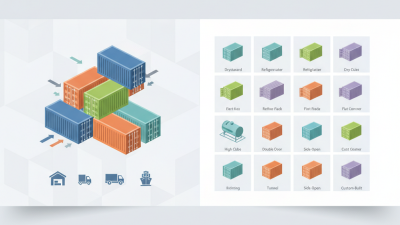
When considering the purchase of second-hand shipping containers, it’s crucial to understand the various types available to match your needs and budget. Shipping containers typically come in several standard sizes, including 20-foot and 40-foot variants. These containers can be categorized into general-purpose, high-cube, and refrigerated units. General-purpose containers offer straightforward storage solutions, while high-cube containers provide extra height, making them ideal for storing taller items. Refrigerated containers, known as reefers, are temperature-controlled, ideal for transporting perishable goods.
**Tips:** When browsing for second-hand containers, assess your storage requirements first. This will help you determine whether a general-purpose or high-cube container will be a better fit. Additionally, inspect containers for any signs of damage, such as rust or structural integrity issues, to avoid hidden costs for repairs later.
Another aspect to consider is the condition of the container. Used shipping containers can be well-maintained or exhibit varying levels of wear and tear. It’s essential to prioritize purchasing from reputable sellers who provide a clear history of the container's use. This can save you from future headaches related to hidden defects or unanticipated expenses.
**Tips:** Always request detailed photos and, if possible, an in-person inspection. Understanding the container's history not only helps ensure the quality but also informs you of potential modifications that may suit your specific needs.
Second Hand Shipping Containers Price Comparison
Evaluating the Condition and Market Price of Second Hand Containers
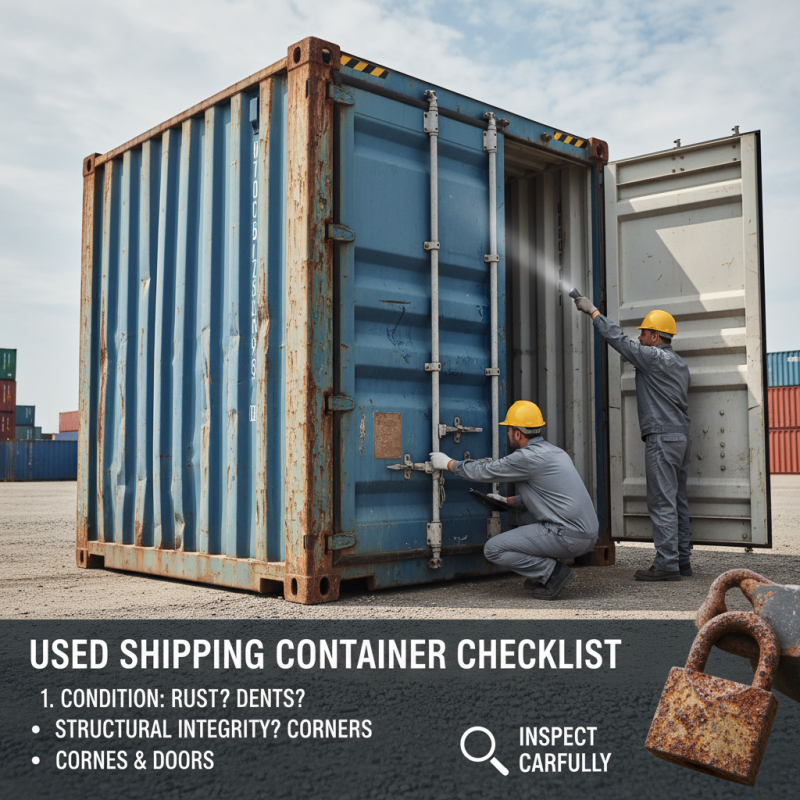
When considering the purchase of second-hand shipping containers, evaluating their condition and understanding the market prices are crucial steps. First, inspect the container for structural integrity, checking for rust, dents, and signs of damage to ensure it is suitable for your intended use. A well-maintained container should have a sturdy frame and a watertight structure. Look for any signs of leaks or previous repair work, as these can indicate potential future issues. Additionally, understanding the container's age and its usage history can help you gauge its overall quality and longevity.
Next, researching the market price for second-hand containers is essential to ensure you get a fair deal. Prices can fluctuate based on factors such as the container's condition, size, and location. Compare prices from different sellers and platforms to gain a comprehensive understanding of the current market value. Be prepared to negotiate, as sellers might have some flexibility in their pricing. Remember to factor in potential delivery costs and any necessary modifications you may require, as these can affect your overall budget. By thoroughly assessing both the condition of the container and the prevailing market prices, you can make an informed decision that aligns with your needs and budget.
Key Factors to Consider When Buying a Used Shipping Container
When considering the purchase of a second-hand shipping container, several key factors should guide your decision. First and foremost is the container's condition. Inspecting for signs of rust, dents, and structural integrity is essential. Look closely at the corners and doors, as these areas are most susceptible to damage. A thorough examination will help ensure that the container will meet your storage or shipping needs without necessitating costly repairs later.
Another crucial factor is the size of the container. Shipping containers come in various dimensions, typically ranging from 10 to 40 feet in length. Assess your specific requirements to determine which size will best suit your needs. Additionally, consider the purpose of the container, whether for storage, transportation, or conversion into a living space. This will influence not only the size but also the type and modifications required for optimal utility.
Finally, the location of the seller and transportation costs should also be considered. A container that appears to be a good deal may end up being more expensive than anticipated if it requires significant shipping fees. Look for sellers who are conveniently located or offer delivery services to minimize these costs. By keeping these factors in mind, you can make an informed purchase that aligns with your needs and budget.
Tips for Negotiating Prices and Securing Good Deals
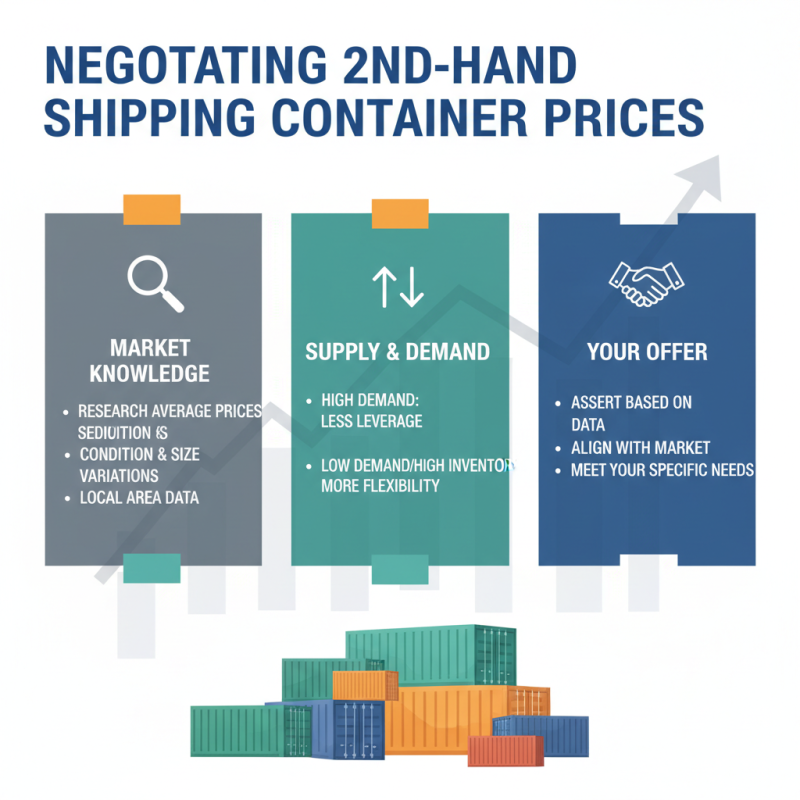
When negotiating the price of second-hand shipping containers, it’s essential to come prepared with knowledge about the market. Research the average prices in your area, including variations for different container conditions and sizes. Understanding the current demand can also serve as an advantage; for instance, if local companies are purchasing containers in bulk, you might have less leverage. On the other hand, if inventory is high and sales are slow, you may find sellers more willing to drop prices. Use this information to assertively present your offer, ensuring it aligns with market standards while still reflecting your specific needs.
Establishing rapport with the seller can lead to better negotiation outcomes. Building a sincere connection not only makes discussions more pleasant but can also incentivize the seller to be more flexible on price. Don't hesitate to ask about the container's condition, previous use, and any potential repairs needed, which can further justify your price proposal. Consider offering to purchase multiple units at once, if feasible, as this can enhance your bargaining power. Moreover, remember to be patient and persistent; sellers may initially counter your offers, but with tactful negotiation and a clear understanding of what you’re willing to spend, you can secure a deal that fits both your budget and requirements.
Transport and Delivery Options for Your Purchased Container
When purchasing a second-hand shipping container, understanding transportation and delivery options is crucial for ensuring that your investment arrives safely and on time. According to recent industry reports, nearly 80% of shipping container buyers prioritize local delivery services due to reduced costs and faster transit times. If you are considering a portable storage solution, be aware of the various delivery methods available, ranging from cranes and flatbeds to specialized container transport trucks. Each option offers its advantages, but the choice largely depends on the distance, site accessibility, and your specific needs.
Tips: Before finalizing a purchase, check with sellers about their partnerships with logistics companies. Some may offer bundled delivery services that can save you money and time. It's also essential to confirm the road conditions and any potential barriers that may complicate the delivery process.
Additionally, always request a detailed quote that includes all potential delivery fees. According to a survey by the Container Leasing Industry Association, inadequate planning for delivery can lead to unexpected costs, which may inflate your budget by up to 15%. Make sure you understand the dimensions of your container and ensure the delivery site can accommodate it safely. By thoroughly investigating both the container and transport options, you can navigate the logistics of your purchase more efficiently and effectively.
How to Buy Second Hand Shipping Containers for Your Needs and Budget
| Container Size |
Condition |
Approx. Price ($) |
Delivery Options |
Location |
| 20 ft |
Used |
1,500 |
Flatbed Truck |
Los Angeles, CA |
| 40 ft |
Good |
2,800 |
Container Carrier |
Houston, TX |
| 10 ft |
New |
1,800 |
Flatbed Truck |
New York, NY |
| 40 ft High Cube |
Used |
3,300 |
Container Carrier |
Miami, FL |
| 30 ft |
Fair |
2,200 |
Flatbed Truck |
Chicago, IL |