Why Choose Construction Component Castings for Your Projects?
When embarking on a construction project, material selection is crucial. Construction Component Castings offer numerous advantages for builders and architects alike. These castings are crafted with precision, ensuring they meet specific project requirements. They provide exceptional durability, which is vital for any structural application.
One might overlook the importance of quality in construction components. Yet, this is where Construction Component Castings shine. They are designed to withstand heavy loads and resist wear over time. This reliability reduces the need for frequent repairs or replacements, ultimately saving costs in the long run.
However, the choice of castings is not without considerations. Understanding the material properties, such as metallic compositions and finishing techniques, can be complex. Each project comes with unique challenges, and the best solution often requires thorough assessment and expert insight. When utilized effectively, Construction Component Castings can significantly enhance both performance and longevity in construction projects.
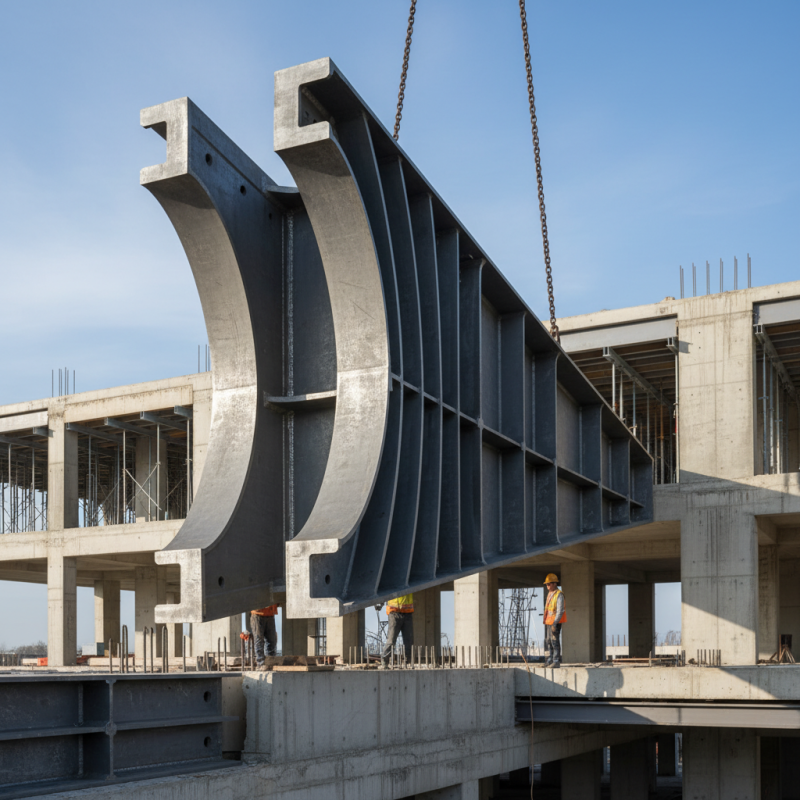
Benefits of Using Construction Component Castings in Modern Projects
Construction component castings offer numerous benefits for modern projects. They provide high durability and strength, which are essential for building stability. A report by the American Foundry Society states that castings can withstand heavy loads while maintaining their structural integrity over time. This makes them a prime choice for high-stress applications like bridges and industrial facilities.
In addition, the versatility of construction component castings is noteworthy. They can be manufactured in various shapes and sizes to fit specific design needs. This adaptability allows engineers to create unique solutions tailored to the project’s requirements. However, challenges remain, such as potential limitations in surface finish and complexity of design. Companies must weigh these factors against the advantages of using castings.
Lastly, sustainability is increasingly important in construction. The use of recycled materials in the casting process reduces waste. According to a study by the Metal Casting Industry, over 90% of foundry processes utilize recycled metals. This statistic points to a growing trend toward environmentally responsible construction practices.
Comparative Analysis: Castings vs. Other Construction Materials
Construction component castings offer unique advantages compared to other materials like steel or concrete. Castings provide excellent durability and can be custom-made for specific project needs. They often withstand harsh environmental conditions better. This durability reduces maintenance costs over time. Moreover, the versatility in design ensures that complex shapes can be easily achieved.
However, not all projects benefit from castings. In some instances, traditional materials may offer better weight distribution or lower initial costs. Steel, for example, is strong and readily available. Concrete can be cost-effective for large-scale projects, though its curing times can delay the process. Evaluating the specific requirements and constraints of each project is crucial.
The choice of materials in construction should reflect both aesthetic preferences and structural needs. While castings bring innovation, they are not universally superior. Oversizing components can lead to wasted resources. Similarly, over-reliance on a single material can skew project performance. Balancing these factors determines long-term success. An informed decision comes from understanding the merits and limitations of each option available.
Customization Options for Construction Component Castings
Construction component castings offer significant advantages, especially through their customization options. In the construction industry, having bespoke solutions can be a game changer. According to a study by the American Foundry Society, over 70% of engineers prefer customized castings for specific project needs. Customized components can improve overall efficiency and performance, allowing projects to meet unique requirements.
Customization in construction castings ranges widely. Sizes, shapes, and materials can be tailored to suit different environments and functions. For example, high-strength alloys can be selected for load-bearing applications, enhancing durability. Recent industry reports indicate that projects using customized castings experienced a 25% reduction in material waste. This not only saves costs but also promotes sustainability.
However, it is essential to weigh the challenges of customization as well. The production time for tailored components can be longer than standard options. This can delay project timelines if not planned carefully. Also, determining the right specifications requires substantial technical knowledge. Collaborating closely with experts in the casting field can lead to better-informed decisions. This process demands careful consideration, yet the potential benefits often outweigh these concerns.
Cost-Effectiveness and Durability of Casting Materials
Construction component castings offer exceptional cost-effectiveness and durability. Many projects require materials that can withstand harsh conditions. Castings provide a robust solution, making them a preferred choice in construction.
One of the key advantages of castings is their longevity. They resist wear and tear better than many alternatives. This durability means fewer replacements over time, which can lead to significant savings. A well-cast component can last for decades. However, this assumes proper design and execution. Poor quality can lead to unforeseen issues.
Moreover, the initial cost of casting materials may seem higher. But when factoring in the lifespan and maintenance costs, castings are often more economical. They also allow for complex shapes, reducing the need for additional components. Yet, it's essential to recognize that not all casting methods are equal. Each project requires careful evaluation of material properties.
Sustainability Considerations in Construction Component Castings
Sustainability is a crucial factor in the construction industry. Recent studies show that construction contributes to about 39% of global carbon emissions. By utilizing construction component castings, projects can significantly lower their environmental impact. These castings often use recycled materials, which helps reduce waste in landfills.
Furthermore, the durability of castings can lead to longer lifespans for construction components. According to industry reports, structures built with quality castings can last 20% longer than those made with traditional methods. However, the initial energy used in the casting process deserves attention. While recycling reduces waste, the carbon footprint from the production stage can still be high if not managed properly.
Many companies are now exploring innovations in environmentally friendly casting techniques, such as 3D printing and bio-based materials. These methods show promise for reducing the overall resource use. Each advancement brings lessons learned and challenges that require continuous evaluation and reflection on best practices. It is essential to consider these factors when incorporating sustainability in construction component castings.