How to Choose the Right 20ft Containers for Your Shipping Needs?
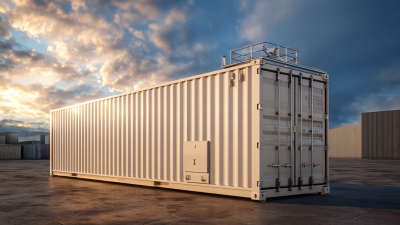
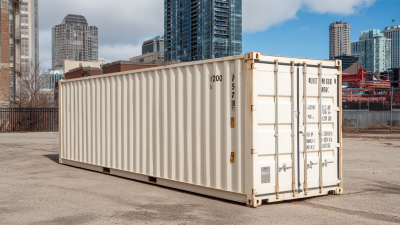
Choosing the right 20ft containers is crucial for your shipping needs. These containers offer versatile solutions for transporting goods. Their compact size makes them suitable for various cargo types, from machinery to personal belongings.
When selecting 20ft containers, consider your specific requirements. Think about the type of goods you want to ship. Are they sensitive to temperature or moisture? Are they heavy or lightweight? Each factor will affect your choice.
Not every 20ft container is the same. Some may show signs of wear. Others might not be watertight. It's essential to inspect them thoroughly. Be prepared to question their condition and reliability before making a decision. Each container should meet your unique needs to ensure safe and efficient shipping.
Understanding the Different Types of 20ft Shipping Containers
When selecting the right 20ft shipping container, understanding the various types available is essential. There are general-purpose containers, which are ideal for most goods. Then, there are specialized containers for specific needs, like refrigerated units. These can keep perishable items fresh during transport. It’s vital to consider the type of cargo you plan to ship. Each container has its benefits and limitations.
Another option is the open-top container. This design allows for tall items that wouldn’t fit in standard containers. However, securing these items can be challenging. Are you prepared for that added complexity? Additionally, consider the condition of the container. Some may show signs of wear. This can impact your shipment’s safety.
In the end, think about your unique shipping requirements. Each container type offers different features. Choosing the right one can be complex. However, knowing your options can make a difference. A little extra research goes a long way.
Comparative Analysis of Different Types of 20ft Shipping Containers
Assessing Your Specific Shipping Requirements
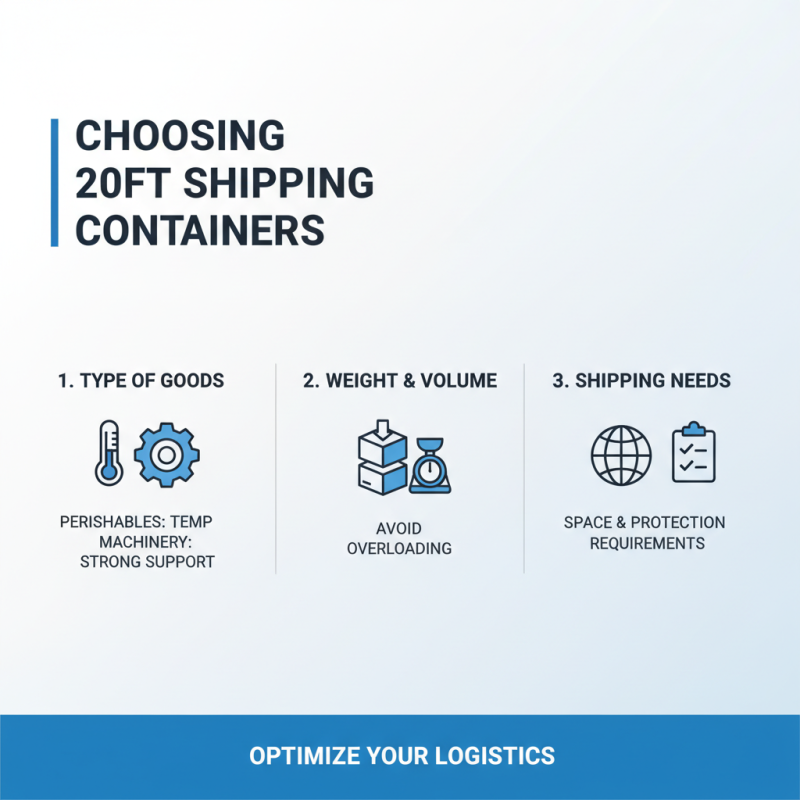
Choosing the right 20ft containers starts with understanding your specific shipping needs. Consider the types of goods you plan to transport. Different products have varying requirements for space and protection. For example, perishables may need temperature control, while machinery needs strong support. Think about the weight and volume of your cargo too. This helps you avoid potential overloading issues.
Another point to ponder is customization. Some containers come with additional features, like ventilation or insulation. While these options may seem appealing, they can also increase costs. Reflect on whether these features are essential for your cargo or just a luxury. Additionally, evaluate how often you'll use the container. A one-time shipment might not justify the investment in specialized containers.
Lastly, take a moment to think about the environment. The materials used in shipping containers can impact sustainability. Consider whether renting a container is a more eco-friendly option than buying. This thought can guide your decision-making process. Remember, the selection of a container is not just a logistical choice; it's a reflection of your values and priorities in shipping.
Evaluating Container Condition: New vs. Used Options
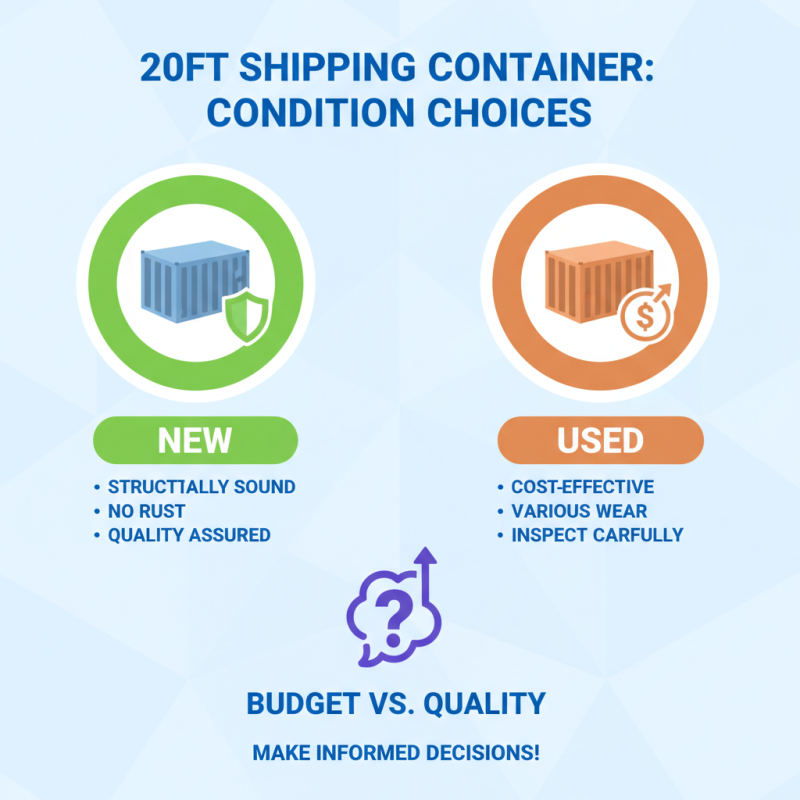
When selecting a 20ft container, understanding its condition is crucial. New containers usually come with an assurance of quality. They are structurally sound and free from rust. However, they can be more expensive. Choosing a new container might seem straightforward, yet it also raises questions about your budget.
In contrast, used containers provide an economical option. They might show signs of wear or rust. Yet, many are still robust enough for shipping needs. When examining a used container, look closely for dents or leaks. The interior should be dry and free of mold. You might find a bargain in a container that requires a bit of work. However, understand the risks involved. The cost of repairs can quickly add up. Reflecting on the condition of each option is necessary to ensure you make the right choice tailored to your needs.
Considering Container Modifications for Specialized Needs
When considering container modifications for specialized needs, it's essential to assess your requirements carefully.
Standard 20ft containers can be transformed in various ways. Adding windows allows for natural light.
Modifying entry points can ease access for loading. These changes enhance functionality and comfort.
Tips: Think about ventilation. It prevents moisture build-up. This is crucial if you store sensitive items.
Also, consider insulation if your cargo is temperature-sensitive. Climate control can save you from losses.
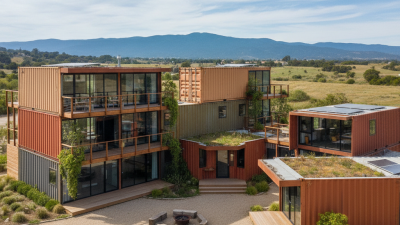
Another point to ponder is the purpose of your container. Will it be used for storage or as a mobile office?
Each scenario demands different modifications. An office may need electrical outlets and better lighting.
Storage might require shelving or reinforced flooring.
Reflect on your specific needs to make a smart choice.
Customizing containers can seem daunting. Each modification requires time and money.
Careful planning can mitigate risks. Focus on essential modifications first.
You can always add more features later. This approach keeps your costs manageable while meeting your core needs.
Budgeting for Purchase or Rental of 20ft Containers
When budgeting for 20ft containers, consider both purchase and rental options. Your needs will dictate the best approach. If your shipping requirements are consistent, buying might save you money in the long run. However, if your needs fluctuate, renting could be more economical.
Calculate total costs carefully. Factor in delivery fees, taxes, and potential repair costs. Sometimes, hidden expenses can catch you off guard. A container that looks good may have underlying issues. Always inspect used containers before purchasing.
Think about your duration of use. Short-term projects benefit from rentals. For long-term use, buying is often better. Remember to research container conditions. Not every seller is transparent. Try to learn from past experiences, adjusting your budget to avoid costly mistakes.
How to Choose the Right 20ft Containers for Your Shipping Needs - Budgeting for Purchase or Rental of 20ft Containers
| Container Condition |
Purchase Price ($) |
Rental Price per Month ($) |
Usage Duration (Months) |
Total Cost Estimate ($) |
| New |
3000 |
150 |
12 |
3000 |
| Used - Good Condition |
1800 |
100 |
12 |
1800 + 1200 = 3000 |
| Used - Fair Condition |
1200 |
80 |
12 |
1200 + 960 = 2160 |
| Rental Only |
N/A |
120 |
6 |
720 |