How to Choose the Right Storage and Shipping Containers for Your Needs?
Choosing the right storage and shipping containers is crucial for your needs. These containers come in various shapes and sizes, offering versatile solutions. However, selecting suitable options can be challenging.
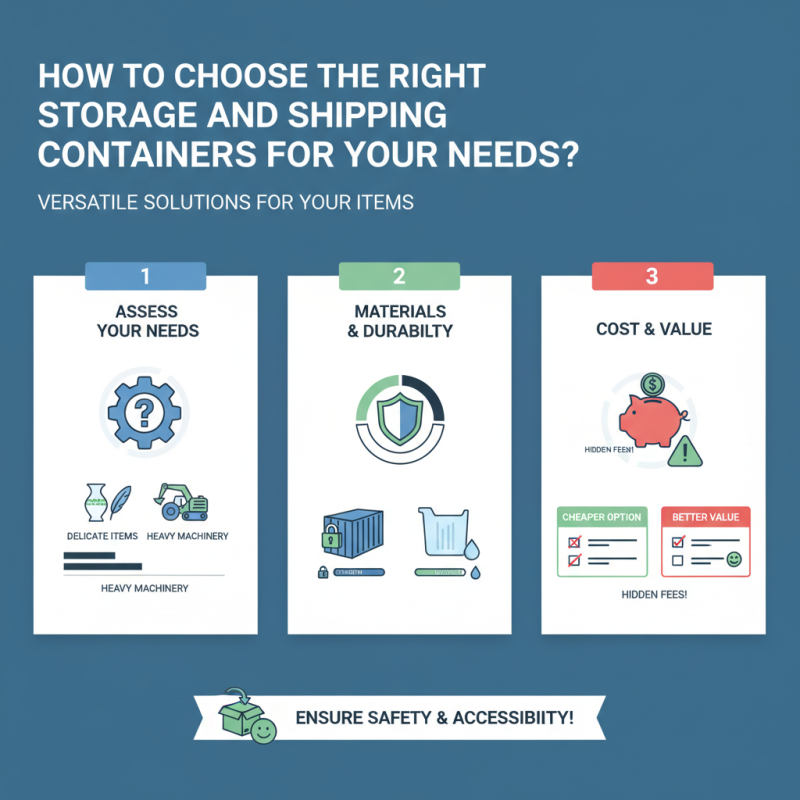
Consider your specific requirements. Do you need to store delicate items or heavy machinery? Assess the materials and durability of the containers. For example, steel containers provide more security but may weigh more than plastic ones. Remember, costs may vary significantly. It's easy to overlook hidden fees.
Sometimes, the choice isn’t clear. You might find a cheaper option that lacks essential features. That could lead to unexpected complications down the line. Reflect on every aspect before making a decision. Ultimately, choosing the right storage and shipping containers ensures your items remain safe and accessible.
Types of Storage and Shipping Containers: Understanding Your Options
Choosing the right storage and shipping containers can impact your efficiency. There are numerous options available, each with unique advantages. Understanding these types is crucial for making informed decisions.
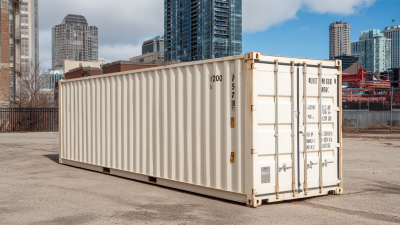
Shipping containers come in standard sizes, primarily 20-foot and 40-foot models. According to industry reports, these containers have become increasingly popular due to their durability and flexibility. Many businesses opt for modified containers, which provide customized solutions for specific needs, such as adding insulation or ventilation.
Storage containers vary widely. There are portable options, ideal for on-site storage, and traditional static containers for long-term use. Factors to consider include location, weather conditions, and the type of goods stored. A recent survey indicated that 30% of businesses fail to account for climate impact when choosing containers, leading to potential damage and waste.
Tip: Always assess the weight capacity of your chosen container. Standard containers hold a maximum of 30,000 pounds, but this can vary based on design.
Remember, not all containers serve the same purpose. Some might be too large or too small for your needs. It’s essential to evaluate how frequently you’ll access your items. Mistakes in sizing can result in wasted space or insufficient storage.
Factors to Consider When Selecting Containers for Different Goods
Choosing the right storage and shipping containers requires careful consideration. Different goods have unique requirements. For instance, perishable items need temperature-controlled units. It’s crucial to assess what type of insulation or refrigeration they might require. This detail can significantly impact the quality of the goods upon arrival.
Another factor is the size and durability of the container. Some products are bulky, while others are more delicate. Strong materials can protect fragile items during transport. It’s essential to measure your goods accurately. Is there enough space? Are there potential risks during loading and unloading? These questions deserve attention.
Additionally, consider the intended duration of storage. Short-term needs differ from long-term requirements. Are you using the container indoors or outdoors? Durability against weather elements is vital for outdoor storage. Each choice shapes how well your goods will be protected. Ultimately, it’s about aligning your container choice with specific needs. Each decision should prompt reflection and possibly adjustments.
How to Choose the Right Storage and Shipping Containers for Your Needs?
| Container Type |
Best Use Case |
Material |
Size Options |
Key Features |
| Plastic Container |
Food Storage |
Polypropylene |
5L, 10L, 20L |
Lightweight, BPA-free, Stackable |
| Cardboard Box |
Shipping Consumer Goods |
Recycled Paper |
Small, Medium, Large |
Eco-friendly, Lightweight, Cost-effective |
| Metal Shipping Container |
Heavy Equipment Transport |
Steel |
20ft, 40ft |
Durable, Weatherproof, Secure |
| Wooden Crate |
Fragile Items Transport |
Pine, Plywood |
Custom Sizes |
Robust, Customizable, Reusable |
| Insulated Container |
Perishable Goods |
Foam, Metal |
Standard, Custom |
Temperature Control, Leak-proof |
Cost Analysis: Budgeting for Storage and Shipping Solutions
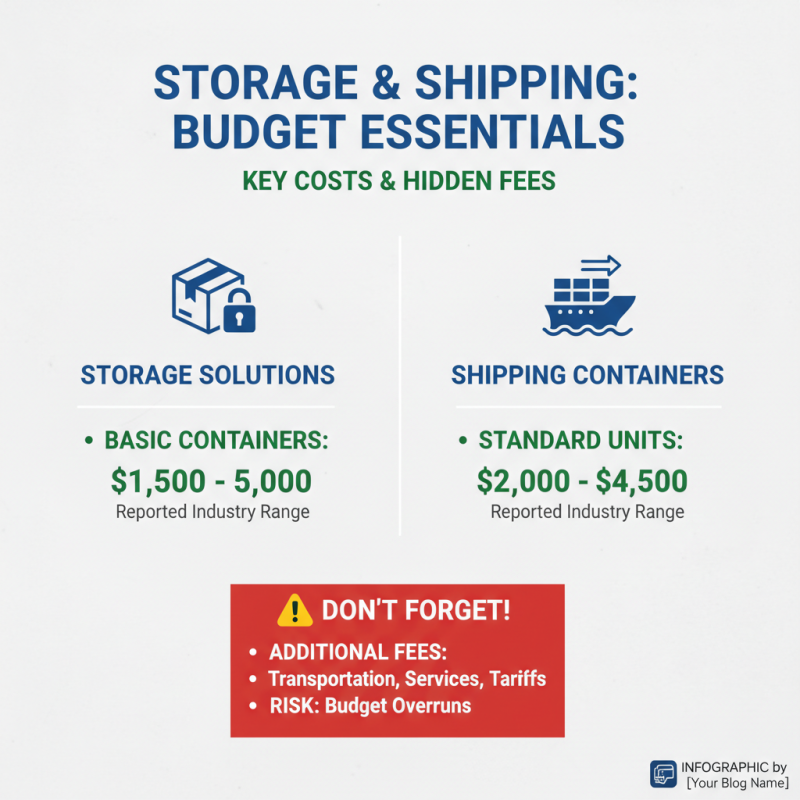
When considering storage and shipping solutions, budgeting is vital. According to industry reports, expenses can vary greatly. Basic storage containers may cost $1,500 to $5,000. Shipping containers range from $2,000 to $4,500. These figures do not include transportation fees or additional services. It's easy to overlook hidden costs. This can lead to budget overruns.
Tips: Always account for delivery and pick-up fees. Unexpected charges can add up quickly. Seek out discounts when ordering in bulk. This can help you save significantly.
Review the specifications of each container. For example, a standard 20-foot container holds around 1,170 cubic feet. Ensure you choose a size that meets your needs. Using a container too small can increase shipping costs due to multiple trips. If your business requires frequent shipments, investing in larger containers may be more economical in the long run.
Tips: Analyze past shipping patterns. This data can guide your choices moving forward. Not all containers are created equal; some may offer better durability or insulation. Evaluate your needs carefully. Misaligned choices can lead to inefficiencies.
Best Practices for Container Maintenance and Longevity
Maintaining your storage and shipping containers is essential for their longevity. Regular inspections can help identify any minor issues before they become major problems. Look for signs of rust or damage. A simple visual check can save you from costly repairs later.
Use a proper cleaning solution to wash your containers. Dirt and grime can deteriorate the material. Sometimes, it’s tempting to skip cleaning, but buildup can lead to bigger issues. Remember, a clean container is a durable one. Every few months, inspect seals for wear and tear. These small parts may seem insignificant, but they keep your contents secure.
When storing your container, choose a level and dry area. Placing it on uneven ground can cause stress on the structure. Avoid overcrowding with items inside. Too much weight can warp the container. It's all in the details, and overlooking them can be costly. Always plan for proper ventilation to prevent moisture build-up. A little thoughtful maintenance goes a long way.