How to Choose Storage for Shipping Containers in 2026?

Choosing storage for shipping containers in 2026 will require more than comparing monthly rental prices. Container owners, freight operators, and manufacturers must examine security, access, weather protection, and total handling costs. A cheap yard can become expensive when poor drainage damages doors, seals, or flooring.

Christian Roeloffs, CEO of Container xChange, has stated, “The container industry is becoming more transparent and data-driven.” This observation matters. Reliable storage decisions increasingly depend on accurate availability data, documented inspections, and clear operating records. A professional facility should show its capacity, security procedures, insurance terms, and maintenance responsibilities without vague promises.

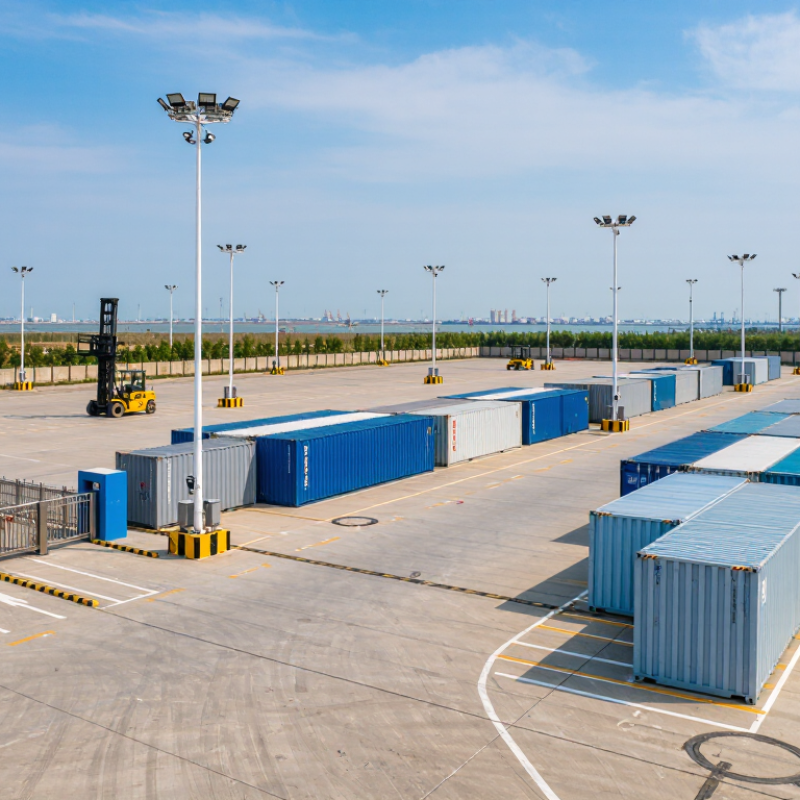
The right site should have stable ground, controlled entry, useful lighting, and enough space for safe lifting equipment. Check whether vehicles can enter without difficult reversing movements. Ask how the operator manages water pooling after heavy rain. Small details matter. A broken lock can delay an entire shipment.

Climate also deserves attention. Coastal air may accelerate corrosion, while extreme heat can affect stored goods and container interiors. Confirm inspection routines, ventilation options, pest controls, and emergency contacts before signing. Sustainable features, such as solar lighting or efficient equipment, may reduce long-term operating costs.

No checklist is perfect. Real conditions change.

That is why this guide compares practical storage models, facility risks, technology tools, and contract details for 2026. It also considers a common mistake: choosing a location that looks efficient online but performs poorly during peak demand. Careful questioning, physical inspection, and transparent documentation remain essential for dependable storage for shipping containers.

How to Choose Storage for Shipping Containers in 2026?

Define Storage Needs for Shipping Containers in 2026

When defining storage needs for shipping containers in 2026, start with the cargo, not the container. List each item’s size, weight, handling method, and sensitivity to moisture or heat. A metal container can protect goods from rain, but it may also trap condensation. That detail is easy to miss.

Estimate how many containers you need now and during peak months. Leave safe clearance around each unit for inspections, doors, and lifting equipment. If workers cannot reach the rear doors safely, the layout is already weak. Consider storage duration, delivery frequency, ground strength, drainage, lighting, and controlled access. A level surface reduces door problems and helps prevent uneven loading. Keep a written inspection log with dates, seal numbers, visible damage, and temperature readings when sensitive goods are involved. Reliable records support better decisions and clarify responsibility.

Security should match the cargo and site conditions. Use adequate fencing, lighting, visitor controls, and camera coverage where appropriate. Check local requirements for fire protection, stormwater, worker safety, and container placement before installation. Experienced operators also review insurance conditions, because coverage may depend on declared values and storage practices. Plans can be imperfect. I have seen teams overestimate capacity and forget empty-container movements. Review the layout after the first delivery, then adjust space, access routes, and staffing based on actual use. Practical evidence is often more useful than a polished forecast.

Compare Container Storage Options and Facility Types

Choosing storage for shipping containers in 2026 starts with cargo risk, not monthly price. An open storage yard is usually practical for empty containers, construction materials, and weather-resistant goods. It suits short or medium stays. However, wind, standing water, and poor drainage can damage doors and flooring. I have seen moisture enter through a small roof defect after heavy rain. That detail matters.

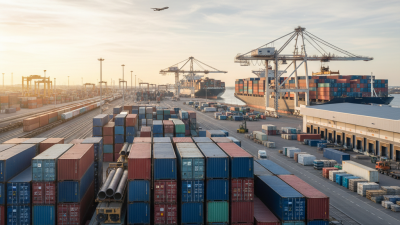
An enclosed warehouse offers stronger protection from rain, dust, and unauthorized access. Climate-controlled areas can protect paper goods, electronics, textiles, and temperature-sensitive inventory. This option costs more and may limit container stacking or vehicle access. A port-adjacent depot can reduce local transport time, but congestion may create delays during busy shipping periods. Rail-connected facilities can help with scheduled inland movement. Check their lifting equipment carefully.

Security should include controlled entry, lighting, camera coverage, and inspection records. Ask how staff handle damaged seals, standing water, and emergency access. Facility surfaces also deserve attention. Uneven ground can twist container frames and make loading unsafe. My own planning has not always been perfect; I once focused on location and underestimated handling fees. That mistake changed my comparison checklist. Now I compare rent, transport, lifting charges, insurance requirements, drainage, and access hours in one written quote. Small details often decide the real storage cost.

Standard dry containers offer different storage capacities. A 20-foot container is suitable for smaller inventories and flexible outdoor or self-storage-yard use, while 40-foot and 40-foot high-cube containers provide more capacity for warehouse, covered-yard, or long-term storage applications. Values are approximate internal volumes based on commonly used ISO container dimensions; exact specifications vary by manufacturer.

Evaluate Security, Accessibility, Climate, and Location

Choosing storage for shipping containers in 2026 requires more than comparing monthly prices. Security should be checked during the day and after dark. Look for controlled entry, working cameras, perimeter lighting, and clear visitor records. A strong lock helps, but it cannot replace site management. Ask how incidents are reported. Vague answers deserve caution.

Accessibility affects daily costs. Confirm whether trucks can enter without tight turns or unstable ground. Measure gate width, road clearance, and loading space before signing. Visit the site with a vehicle similar to yours. A map may look convenient. It may not. Check opening hours, weekend access, and whether staff can assist with repositioning containers.

Climate control matters for sensitive cargo, even during ordinary storage. Inspect drainage after rain, roof conditions, ventilation, and signs of condensation. Wooden pallets should stay above the floor. Metal surfaces need regular checks for rust. Location adds another layer. Choose a site near planned transport routes, but avoid areas with repeated flooding or severe congestion. Local weather records and nearby construction plans can reveal problems that a sales description misses. I still see storage decisions based too heavily on distance. That is an easy mistake. A slightly farther site with safer access and drier ground may protect both cargo and schedule.

Calculate Storage Costs, Contracts, and Insurance Requirements

How to Choose Storage for Shipping Containers in 2026?

Storage costs begin with more than the daily container rate. Measure the full period, including arrival, handling, loading, and collection fees. Ask whether the quote includes ground rent, security, lighting, and access charges. A simple formula helps: total cost equals storage days multiplied by the daily rate, plus fixed service fees and taxes. For example, 40 days at £8 per day becomes £320 before handling. My first estimate was too optimistic because I ignored weekend collection fees. Leave room for such mistakes.

Compare sites by condition, drainage, access hours, and distance from the port. A dry, level surface can reduce damage and extra repositioning. Request a written contract before delivery. It should identify the container number, storage location, payment schedule, notice period, and late-payment terms. Check who pays for damage caused during lifting or moving. Vague wording creates expensive arguments. Keep inspection photos with timestamps.

Insurance requirements deserve equal attention. Ask whether the policy covers the container, its contents, theft, water damage, fire, and handling incidents. Coverage may change when goods remain unattended or stay on an open yard. Confirm the required security measures, such as lighting, fencing, locks, or recorded inspections. The policy should state valuation rules and claim deadlines clearly. Local regulations and contract terms may require separate liability coverage. Recheck these details when storage extends beyond the original plan.

How to Choose Storage for Shipping Containers in 2026? - Calculate Storage Costs, Contracts, and Insurance Requirements
Decision Area Storage Option or Requirement Typical 2026 Planning Data Cost or Calculation Method Recommended Use
Container Storage Cost Benchmarks
20-foot dry container Outdoor ground storage Approximately USD 75–150 per container per month Monthly rate × number of containers × storage months Suitable for empty or weather-resistant cargo where basic yard security is acceptable.
40-foot dry container Outdoor ground storage Approximately USD 110–220 per container per month Monthly rate × number of containers × storage months Suitable when larger footprint and lower-cost storage are more important than indoor protection.
20-foot container Indoor or covered storage Approximately USD 180–350 per container per month Indoor monthly rate × number of containers × storage months Recommended for moisture-sensitive goods, high-value inventory, or severe weather exposure.
40-foot container Indoor or covered storage Approximately USD 280–550 per container per month Indoor monthly rate × number of containers × storage months Useful for larger cargo volumes requiring additional protection and controlled access.
Handling and positioning Inbound or outbound container movement Approximately USD 75–175 per move Handling fee × number of movements Confirm whether crane, reach-stacker, forklift, or lift-on/lift-off charges are included.
Ground transfer Local drayage between terminal and storage yard Common planning range: USD 150–450 per one-way move Transport rate + fuel surcharge + tolls + waiting time Obtain a written rate because distance, congestion, chassis availability, and appointment rules affect the final price.
Accessorial charges Demurrage, detention, redelivery, waiting, or after-hours access Varies by facility, carrier, port, and contract Base storage cost + separately listed accessorial fees Require a complete fee schedule before signing the storage agreement.
Worked Storage Cost Examples
Short-term outdoor plan 10 × 20-foot containers for 3 months Planning rate: USD 100 per container per month 10 × USD 100 × 3 = USD 3,000 Excludes handling, taxes, transportation, insurance, and special access charges.
Longer-term outdoor plan 6 × 40-foot containers for 12 months Planning rate: USD 160 per container per month 6 × USD 160 × 12 = USD 11,520 Compare the result with an annual contract, which may provide a lower monthly rate.
Indoor protection plan 4 × 40-foot containers for 6 months Planning rate: USD 350 per container per month 4 × USD 350 × 6 = USD 8,400 Confirm whether indoor storage is actual enclosed storage or only a roofed area.
Total landed storage budget Storage plus two-way handling and local transport Storage cost + handling + transport + insurance Total budget = storage + movements + transport + insurance + taxes Use this calculation instead of comparing monthly storage rates alone.
Contract Terms to Check
Contract duration Month-to-month, fixed term, or annual agreement Month-to-month terms generally offer flexibility; fixed terms may offer rate stability Compare total contracted cost, not only the advertised monthly rate Use a shorter term for uncertain volumes and a fixed term for predictable inventory.
Rate adjustment Annual increase or market-based adjustment Require the adjustment formula, effective date, and advance notice period New rate = current rate × (1 + agreed adjustment percentage) Limit unilateral increases and request a clear termination right after a rate change.
Minimum volume Minimum number of containers or minimum monthly spend May apply even when fewer containers are physically stored Pay the greater of actual usage or the contractual minimum Negotiate a volume band when monthly container numbers fluctuate.
Access and release Appointment rules, notice periods, operating hours, and release documents Access may be restricted during weekends, holidays, or peak operating periods Check after-hours, urgent-release, and failed-appointment fees Important for time-sensitive cargo and just-in-time distribution.
Damage and condition reports Container inspection at arrival and departure Record seal number, visible damage, photographs, and cargo condition Use signed inspection records for each movement Reduces disputes about pre-existing damage, water intrusion, or handling incidents.
Liability limitation Facility liability cap and exclusions Often limited by contract and may exclude natural disasters, inherent vice, or inadequate packaging Compare the liability cap with the maximum cargo value stored Do not assume the storage provider's liability equals the cargo replacement value.
Termination and abandoned cargo Notice period, removal deadline, lien, and disposal or sale rights Terms vary by contract and applicable local law Review all default, unpaid-balance, and abandoned-cargo provisions Obtain legal review for high-value inventory or long-term storage.
Insurance Requirements and Planning
Cargo insurance Coverage for goods stored inside the container Set the limit at the maximum replacement value stored at one time Required limit = highest aggregate cargo value at risk Verify coverage for storage, handling, loading, unloading, theft, water damage, and transit if applicable.
Declared cargo value Commercial value of the stored goods Use invoice value plus reasonable freight, duties, and other recoverable costs where the policy permits Declared value × applicable insurance rate Update the declared value when inventory levels or product prices change.
Warehouse or storage liability Responsibility for loss caused by the storage operator Coverage and limits depend on the contract and insurance policy Compare the provider's liability limit with the cargo value Request a certificate of insurance and review exclusions before delivery.
Commercial general liability Third-party bodily injury or property damage A common contracting benchmark is USD 1 million per occurrence, but requirements vary Confirm occurrence limit, aggregate limit, and additional-insured wording Use the amount required by the contract, landlord, lender, port, or applicable law.
Vehicle and drayage liability Coverage for road transport to or from the storage location Limits depend on jurisdiction, vehicle type, cargo, and transport contract Verify that the carrier's policy covers the actual cargo and route Request current insurance evidence before releasing a container to a carrier.
Deductible planning Amount paid by the insured before coverage responds Common commercial deductibles may range from USD 1,000 to USD 25,000 or more Budget the deductible separately from the premium Choose a deductible that the business can pay immediately after a loss.
Per-container or per-event limit Maximum payment for one container, occurrence, or location Check whether the policy has sub-limits below the total policy limit Coverage should meet the highest single-container exposure Essential when one container contains concentrated high-value inventory.
Common exclusions Flood, earthquake, temperature change, rust, mold, inherent vice, war, or inadequate packing Exclusions differ by policy and location Request written confirmation for every material risk Buy endorsements or separate coverage where the standard policy is insufficient.
Selection Checklist
Security and site controls Fencing, lighting, cameras, access logs, locks, and incident response Assess actual controls during a site visit or request documented procedures Higher security may increase the monthly rate but reduce theft exposure Prioritize controlled access for high-value, regulated, or theft-sensitive cargo.
Weather and ground conditions Drainage, flooding exposure, paved surface, elevation, and wind protection Check local flood maps and seasonal weather conditions Include pallets, dunnage, covers, or indoor space where required Do not place moisture-sensitive goods directly on poorly drained ground.
Operational fit Distance to port, rail terminal, customers, and distribution facilities Shorter distance can reduce transport cost and transit time Total cost = storage + transport + handling + insurance + risk cost Select the location with the lowest total landed cost, not necessarily the lowest storage rate.
Final approval documents Signed contract, fee schedule, inspection process, insurance certificate, and emergency contacts Keep current copies for every storage location Review documents at renewal and whenever cargo value changes Complete this step before the first container enters the facility.
Planning figures are indicative market ranges in USD for budgeting purposes. Actual prices, taxes, insurance terms, legal requirements, and liability limits vary by country, location, cargo type, season, facility, and contract. Confirm all rates and coverage terms in writing before booking storage.

Select and Prepare the Best Storage Solution

Choosing storage for shipping containers in 2026 starts with the goods, not the container. A practical assessment should record dimensions, weight, handling needs, and expected storage time. A dry, level surface is essential. Gravel, reinforced concrete, or another stable base can prevent twisting and door misalignment. Check drainage after heavy rain, not only on a sunny inspection day. That detail is easy to miss.

The site must support safe loading and regular access. Measure turning space for trucks, including room beside the doors. Leave clear gaps between containers for inspections and ventilation. Locking systems should resist weather, while lighting and controlled entry reduce avoidable risks. For sensitive cargo, add temperature or humidity monitoring. Simple data loggers can reveal condensation before cartons become soft. Do not place containers beneath unstable branches or near standing water.

Preparation also includes a written inspection routine. Check roof seams, door gaskets, floor damage, rust, and internal odors before use. Clean and dry the interior completely. Use pallets to raise goods above the floor, but avoid blocking air circulation. A container may look secure and still trap moisture.

No checklist catches everything. I once underestimated how quickly morning condensation could form in a shaded unit; the storage plan needed better airflow.

Review the site after the first storm and adjust the layout if access, drainage, or ventilation performs poorly. Reliable storage is selected through evidence, then improved through observation.