How to Choose the Best Concrete Batch Plants for Your Needs?
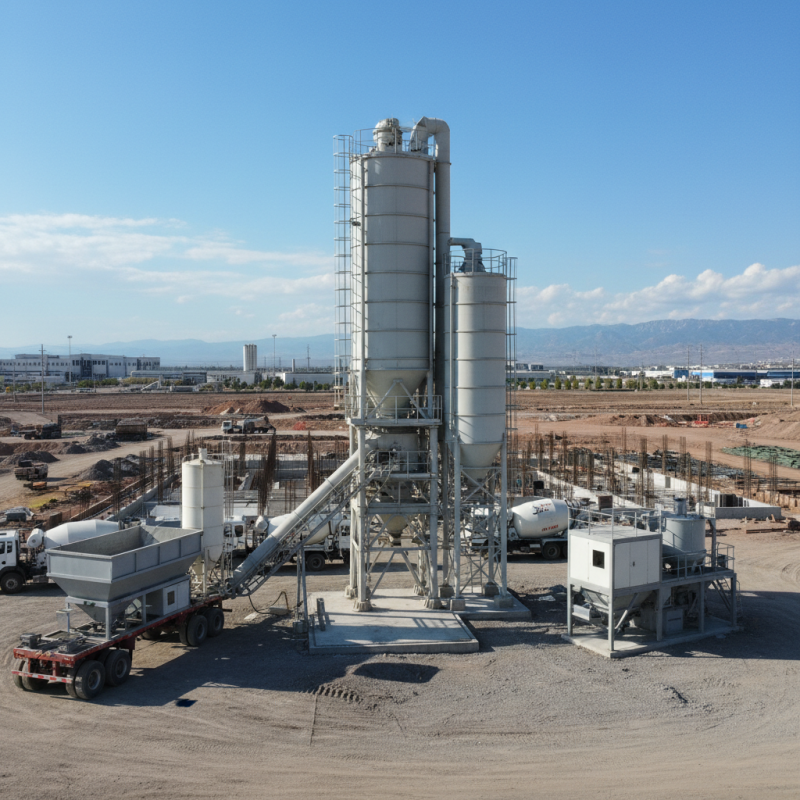
Choosing the right Concrete Batch Plants is vital for success in construction projects. These plants play a crucial role in producing concrete tailored to specific needs. There are many options available, each with unique features and specifications.
Understanding what you need is essential. Do you require a mobile unit or a stationary one? The volume of concrete production matters too. It can be overwhelming with so many manufacturers in the market. Reliability and performance should guide your decision-making process.
Cost is another important consideration. However, the cheapest option may not always be the best. Evaluating the long-term benefits can provide clarity. Reflecting on your specific requirements will help you make a more informed choice. Thus, selecting Concrete Batch Plants isn't just about price; it's about matching functionality with your project goals.
Understanding Your Concrete Production Requirements
Choosing the right concrete batch plant starts with understanding your concrete production requirements. Each project is unique. The volume of concrete you need varies greatly. This will dictate the capacity of the batch plant you require. You might think larger is always better, but that isn't always true. A massive plant can lead to unnecessary costs if your demand is low.
Consider the types of projects you'll undertake. Will you require various mixes, or will the focus be on one specific type? A versatile plant can adapt to different mixtures quickly, boosting efficiency. Yet, it’s crucial to evaluate if you’ll frequently need this flexibility or if a single mix will suffice. Additionally, assess your location. Transport distances impact delivery times and costs. Plants equipped with efficient logistics can save both time and money.
Reflect on your long-term needs. A plant that suits today might not meet future demands as your business grows. Think about scalability and upgrades. It’s easy to overlook these aspects during the selection process. Balancing initial costs against future requirements can lead to better investments. Sometimes, revisiting your needs with a fresh perspective can highlight gaps in your initial planning.
Evaluating Different Types of Concrete Batch Plants
When evaluating different types of concrete batch plants, several factors come into play. These plants generally fall into two categories: central mix and ready mix. Central mix plants mix the concrete thoroughly before transport. This method often leads to a higher quality product. However, it can be less flexible for on-site adjustments. Ready mix plants, on the other hand, offer more convenience. They're ideal for projects requiring faster delivery times.
Consider the specific needs of your projects. The size and scale of operations can greatly influence your choice. A smaller project may benefit from a portable batch plant. These plants are easy to set up and dismantle, making them practical for limited use. However, larger operations may need a stationary plant for higher production volumes. Remember, productivity and efficiency are key factors to weigh when making your decision.
Pay attention to the technology involved. Some plants feature advanced automation systems, leading to more efficient operations. Yet, the complexity may require specific training for your team. Not all plants will be a perfect fit. Ask yourself what features are essential versus nice-to-have. This reflection can clarify your requirements and lead to better long-term choices.
Key Features to Look for in a Batch Plant
When selecting the best concrete batch plants, certain key features are essential. Output capacity is a significant consideration. According to the National Ready Mixed Concrete Association, a batching plant's typical output can range from 60 to 120 cubic yards per hour, depending on the project scale. Assess your project needs to avoid purchasing a plant with inadequate capacity.
Another critical feature is the plant's automation level. Fully automated systems can reduce labor costs and improve precision. A recent report highlighted that automated batch plants could minimize operational errors by up to 30%. This accuracy can enhance the overall quality of the concrete produced. Consider your team’s expertise and whether they can efficiently operate an automated system.
Tips for choosing a concrete batch plant include checking for compliance with local regulations. Plants need to meet environmental and safety guidelines. Additionally, investigate the maintenance requirements; improper upkeep can lead to unexpected downtime. Engage with industry professionals or consult detailed reports to gather insights on best practices. Investing in a quality plant will pay off in the long run, as efficiency and reliability are paramount.
Budgeting and Cost Considerations for Batch Plants
When budgeting for a concrete batch plant, consider initial costs alongside ongoing expenses. Equipment costs can vary significantly. Research different plant configurations and features. This allows for informed decisions aligning with your budget.
Tip: Assess your production needs. Higher capacity plants often have a higher upfront cost but can yield greater returns over time. Balancing capacity with project demands is essential.
Maintenance is another cost to ponder. Regular upkeep can prevent breakdowns. Factor in these expenses to avoid unexpected financial strain.
Tip: Always leave room in your budget for unexpected repairs. A cushion can save you from large, unplanned expenses.
In evaluating costs, don't overlook operational efficiency. A plant with better fuel efficiency reduces long-term costs. Ask industry experts for insight into plant performance metrics. This can guide you toward making a smart investment.
Concrete Batch Plants: Budgeting and Cost Considerations
Maintenance and Support Options for Long-Term Use
When selecting a concrete batch plant, maintenance and support options are crucial for longevity. Regular maintenance can increase equipment lifespan by up to 30%, as evidenced by industry reports. A well-maintained plant operates more efficiently, producing quality concrete consistently.
Invest in a maintenance schedule that includes regular inspections and component replacement. Keeping accurate records is essential. Document all maintenance activities to identify trends and potential issues early. This proactive approach can prevent costly breakdowns.
Tips: Always consult with industry experts during the setup phase. Their experience can guide you in creating a robust maintenance plan. Ensure that your staff is trained in routine checks. Knowledgeable employees can spot small issues before they escalate. Also, consider support options such as warranty and service agreements. A good agreement can provide peace of mind and prompt repairs when needed.
Finally, understanding the limitations of your equipment is vital. No plant is perfect, and wear and tear are inevitable. A realistic perspective on maintenance efforts will help you manage expectations effectively.
How to Choose the Best Concrete Batch Plants for Your Needs? - Maintenance and Support Options for Long-Term Use
| Parameter | Description | Importance Rating (1-5) | Maintenance Frequency |
| Production Capacity | The maximum amount of concrete the plant can produce within a specific time. | 5 | Daily |
| Mixer Type | Type of mixer (e.g., planetary, twin-shaft) that affects mixing quality. | 4 | Weekly |
| Automation Level | Degree of automation (manual vs. fully automated systems). | 3 | Monthly |
| Support and Maintenance Options | Availability of maintenance services and support for troubleshooting. | 5 | As Needed |
| Cost of Ownership | Total costs including purchase price, operation, and maintenance. | 4 | Annual |
| Energy Efficiency | How much energy the plant consumes during operation. | 4 | Monthly |