How to Choose the Right Steel Shipping Containers for Your Needs?
Choosing the right steel shipping containers can significantly impact your logistics and storage decisions. These containers are versatile and durable, suitable for various purposes. Whether you need them for transporting goods or as temporary storage, understanding your requirements is crucial.
When selecting steel shipping containers, consider factors like size, condition, and accessibility. Standard sizes range from 10 to 40 feet. A larger container might seem beneficial, but it could limit space at your site. Inspecting the container for rust or damage is essential as these issues can affect durability.
Reflecting on your specific needs is vital. Do you require insulation for temperature-sensitive items? Are you looking for a container that can withstand harsh weather? An informed decision can enhance your operations. Remember, not all containers are created equal, and the right choice can save you time and money.
Understanding Different Types of Steel Shipping Containers Available
When selecting steel shipping containers, it’s crucial to understand the various types available.
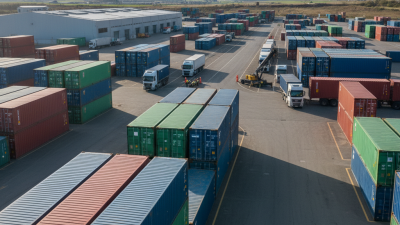
Standard containers, commonly used for international shipping, come in 20-foot and 40-foot sizes. They offer a durable solution for transporting goods.
However, understanding your needs is vital. The International Organization for Standardization (ISO) standardizes these dimensions.
Notably, ISO reports show that over 90% of global cargo is transported in containers.
Another option is the high cube container, which provides an extra foot in height.
This is ideal for light and bulky items. Reports suggest that these containers have gained popularity, accounting for nearly 30% of market demand.
But they may not be suitable for all transportation methods. Always consider the specific requirements of your cargo and transportation logistics.
Specialty containers exist as well, designed for particular goods.
Refrigerated containers are essential for perishable items.
Tank containers are used for liquids. According to shipping industry trends, there's a significant increase in demand for these specialized containers, growing by 15% annually.
Yet, it’s important to ensure that your choice meets regulatory standards.
Selecting the right type can be complex, but a deeper understanding helps mitigate risks.
Assessing Your Storage and Transportation Needs for Steel Containers
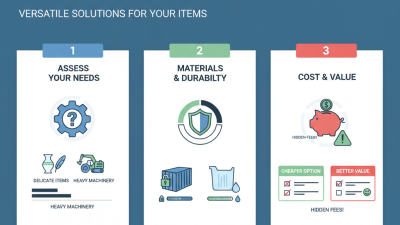
When assessing your storage and transportation needs for steel shipping containers, begin with the size. Measure the items you plan to store. Is it furniture, equipment, or supplies? Knowing the dimensions helps choose the right container size. A small container might limit your options. A larger one could waste space and increase costs.
Tips: Always consider future needs. Will you expand your inventory? If so, a slightly larger container may be smarter.
Next, evaluate accessibility. Do you need frequent access to your items? A container located far away may cause delays. In contrast, one near your site could streamline operations. Think about the container's condition as well. Rust or damage can compromise your storage.
Tips: Inspect before purchasing. A thorough examination helps avoid unexpected issues later.
Lastly, think about your budget. Steel containers vary in price. Find a balance between quality and cost. Lower options may save money but could lead to long-term issues. Reflect on what you truly need.
Steel Shipping Containers: Assessing Your Storage and Transportation Needs
Evaluating Container Condition: New vs. Used Steel Shipping Containers
When evaluating container condition, understanding the differences between new and used steel shipping containers is crucial. New containers often cost significantly more, typically around 20-30% higher than used ones. However, they come with the advantage of being free from rust and structural issues. Reports show that a new 20-foot container can average between $2,500 to $5,000, depending on specifications.
Used containers, on the other hand, present a cost-effective solution. They can range from $1,200 to $3,000, depending on their condition and age. However, buyers must be cautious. Some used containers may have dents, rust, or even structural compromises that aren’t immediately visible. A survey from the Container Owners Association indicates that up to 40% of used containers show signs of wear that could affect their longevity and suitability for certain applications.
Inspecting used containers is paramount. Look for signs of water damage or heavy corrosion. Check door functionality, seals, and the interior for odors or unusual stains. Often, the price reflects the visible condition, but unseen issues can add significant costs later. Balancing budget with quality requires careful consideration and a thorough inspection for any possible regrets down the line.
Determining Budget and Cost Factors for Purchasing Steel Containers
When considering the purchase of steel shipping containers, budget plays a crucial role. Assess your needs carefully. Price varies based on size, condition, and location. A new container costs more than a used one, but longevity is a factor.
Tip: Always compare prices from different sellers. Don't settle for the first option. Sometimes, hidden costs appear later. Inspect the containers if possible. Small damages can lead to bigger expenses down the road.
Think about long-term use. Will you need the container for storage, transport, or both? This will affect your choice. Keep in mind that customizations also add to the final price.
Tip: Calculate additional fees like delivery or taxes. This will help you stay within budget. If you find a set price, ask what it includes. Often, everything isn’t mentioned upfront. Being well-informed will save you from unexpected costs.