


China Top Check Valve Manufacturers How to Choose?
Choosing a China Check Valve manufacturer requires more than comparing prices on a product page. The decision affects flow stability, equipment protection, maintenance costs, and long-term safety. A suitable supplier should understand the working medium, pressure range, temperature changes, installation position, and expected service life. Small details matter. A poorly selected spring, weak seat, or unsuitable body material can cause leakage and repeated shutdowns.
China valve specialist Li Wei states, “A check valve must match the system, not merely the catalogue.” This practical view deserves attention. Buyers should ask whether the manufacturer produces wafer, swing, lift, silent, or dual-plate check valves for similar applications. They should also review material certificates, pressure-test records, dimensional drawings, and quality-control procedures. For water systems, stainless steel, ductile iron, or carbon steel may be appropriate. Chemical and high-temperature services require more careful compatibility checks.
Factory experience is valuable. However, reputation alone is not enough. Request samples, inspect machining quality, and confirm the actual test pressure before placing a large order. Check the supplier’s response time, spare-parts support, packaging method, and export documentation. These points often reveal operational reliability better than attractive brochures. I would also question unclear claims about zero leakage or unlimited service life. Real systems face vibration, dirty media, corrosion, and installation mistakes. No supplier avoids every failure. A dependable China Check Valve manufacturer explains those risks clearly and offers practical controls. The best choice balances engineering evidence, transparent communication, verified production capability, and total ownership cost. Price matters, but failure costs more.
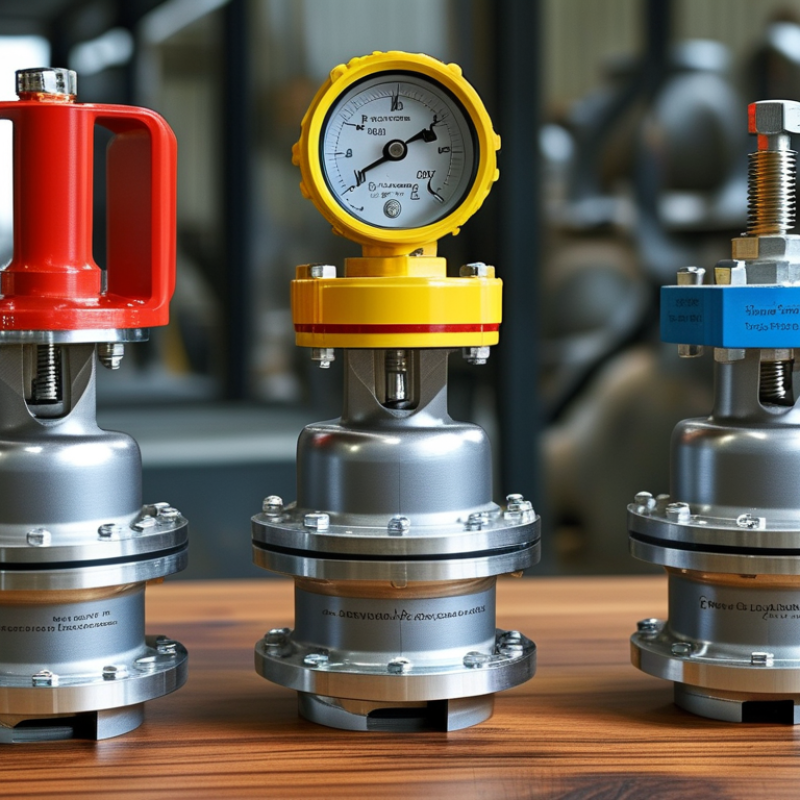
Check Valve Basics: Types, Functions, and Pressure Classes from 150 to 2,500
A check valve allows fluid to move forward and blocks reverse flow without external control. Swing check valves suit steady liquid lines, while lift designs handle higher pressure differentials. Dual-plate valves are compact and reduce installation weight. Axial-flow valves can respond quickly in critical piping, but their internal geometry demands careful review. Each type has limits.
Pressure classes commonly range from 150, 300, 600, 900, 1500, to 2500. These numbers are rating classes, not direct pressure values in every service. Allowable pressure changes with body material and temperature. A Class 150 valve may perform well in cool water, yet lose capacity in hot steam. Always compare the pressure-temperature table with the actual medium. Check flow direction, cracking pressure, face-to-face dimensions, and end connections before ordering.
In practical selection, I inspect the line’s pump arrangement and shutdown behavior first. A fast-closing valve can prevent backflow, but it may create damaging water hammer. A slower swing disc may be safer in some systems. Ask for material certificates, pressure-test records, and dimensional drawings. Verify leakage requirements under the applicable standard. One detail is easy to miss: debris can hold a disc open. Strainers, clean assembly, and accessible maintenance matter. I would not choose a manufacturer from price alone. Factory traceability and clear technical responses reveal more. Even experienced engineers can over-specify Class 2500 when Class 600 is sufficient. That mistake increases cost and weight.
Key Selection Criteria: Size, Pressure, Temperature, Materials, and Flow Rate
China Top Check Valve Manufacturers: How to Choose?
Choosing a check valve starts with the pipe size and actual flow rate. A valve that matches the line diameter may still create excessive pressure loss. Compare the manufacturer’s Cv or Kv data at your operating flow, not only at the maximum rating. The U.S. Department of Energy notes that pumping systems can consume a significant share of industrial electricity, so poor valve sizing can raise operating costs. Fit matters. Confirm connection standards, face-to-face dimensions, and installation direction before ordering.
Pressure and temperature define the valve’s safe working range. Check the normal pressure, surge pressure, vacuum conditions, and possible water hammer. API 6D and ASME B16.34 provide widely used requirements for pipeline and pressure-containing valves. Material selection must match the medium. Stainless steel may suit corrosive water, while alloy or lined designs may be necessary for aggressive chemicals. The IEA’s Energy Efficiency 2023 report states that industry used about 37% of global final energy in 2022. Small losses deserve attention. In practice, catalog figures can look convincing, but they may not reflect dirty fluids or unstable pumps.
Tips: Request certified pressure-temperature charts, flow curves, material certificates, and test records. Ask for field references involving similar pipe size, fluid, and temperature. Do not guess. A short technical review with the manufacturer can expose hidden risks, although no datasheet replaces site measurements.
China Top Check Valve Manufacturers How to Choose? - Key Selection Criteria: Size, Pressure, Temperature, Materials, and Flow Rate
The following table is a general engineering reference for selecting check valves. Actual limits depend on the valve design, applicable standard, fluid properties, piping system, and the manufacturer’s certified data.
| Check Valve Type | Typical Size Range | Typical Pressure Range | Typical Temperature Range | Common Materials | Flow and Installation Characteristics | Key Selection Checks |
|---|---|---|---|---|---|---|
| Swing Check Valve | DN50–DN1200 2–48 in | PN10–PN100 Class 150–600 | Approximately −29°C to 400°C −20°F to 752°F | Body: carbon steel, ductile iron, stainless steel Disc: carbon steel or stainless steel Seat: metal, resilient elastomer, or PTFE-based material | Suitable for relatively steady, horizontal flow. Usually offers low pressure loss at design flow, but may be sensitive to reverse-flow slam. | Check closure speed, installation orientation, minimum flow velocity, and the possibility of water hammer. |
| Wafer Dual-Plate Check Valve | DN50–DN600 2–24 in | PN10–PN420 Class 150–2500 | Approximately −196°C to 500°C −321°F to 932°F | Body: carbon steel, alloy steel, stainless steel Plates: stainless steel or alloy steel Seat: metal or engineered elastomer | Compact and lightweight design with short face-to-face length. Suitable for many horizontal or vertical upward-flow applications. | Confirm flange compatibility, flow direction, spring material, cracking pressure, and resistance to pulsating flow. |
| Lift Check Valve | DN15–DN300 ½–12 in | PN16–PN420 Class 150–2500 | Approximately −29°C to 450°C −20°F to 842°F | Body: forged or cast carbon steel, stainless steel, alloy steel Trim: stainless steel or hard-faced alloy Seat: metal or soft seat | Provides positive guided closure and is often used where high pressure and relatively clean fluids are present. Requires adequate flow direction and velocity. | Verify installation position, pressure drop, minimum operating flow, and compatibility with steam, gas, or liquid service. |
| Tilting-Disc Check Valve | DN150–DN1800 6–72 in | PN10–PN100 Class 150–600 | Approximately −29°C to 400°C −20°F to 752°F | Body: carbon steel, ductile iron, stainless steel Disc and shaft: stainless steel or alloy steel Seat: metal or resilient material | Designed for large pipelines and high flow capacity. The disc geometry can reduce closing travel and help limit pressure surges. | Evaluate flow velocity, transient pressure, disc stability, pipeline support, and maintenance access. |
| Ball Check Valve | DN15–DN300 ½–12 in | PN10–PN100 Class 150–600 | Approximately −46°C to 200°C −51°F to 392°F | Body: cast iron, ductile iron, carbon steel, stainless steel Ball: coated steel, stainless steel, or elastomer Seat: NBR, EPDM, FKM, PTFE, or metal | Commonly used in liquid, wastewater, and slurry services. The full-bore ball path can help reduce clogging in suitable applications. | Match the ball and seat material to the fluid, solids content, viscosity, temperature, and required backpressure. |
| Diaphragm Check Valve | DN15–DN150 ½–6 in | PN6–PN40 Class 150–300 | Approximately −20°C to 150°C −4°F to 302°F | Body: PVC, PP, PVDF, lined steel, or stainless steel Diaphragm: EPDM, PTFE, FKM, or other chemically resistant elastomer | Useful for corrosive, sanitary, or low-contamination services. The flexible diaphragm separates the moving mechanism from the fluid in selected designs. | Confirm chemical compatibility, vacuum capability, sterilization requirements, diaphragm fatigue life, and allowable pressure drop. |
| Size Selection | Select by nominal pipe size only after hydraulic verification | Use the valve’s certified pressure rating at the actual temperature, not only the pipe rating. | Consider thermal expansion, start-up temperature, shutdown temperature, and abnormal operating conditions. | Material selection must cover the body, closure member, shaft, spring, seat, gaskets, and bolting. | Avoid oversizing. An oversized check valve may operate near its cracking pressure, causing chatter, unstable closure, and accelerated wear. | Review line size, required flow, connection standard, face-to-face dimension, maintenance clearance, and installation orientation. |
| Pressure and Flow-Rate Check | Use actual inside diameter, flow velocity, and expected operating range. | Confirm maximum working pressure, pressure rating class, hydrostatic test pressure, and reverse-pressure capability. | Use the lowest and highest temperatures expected during operation, testing, cleaning, and upset conditions. | Select materials according to corrosion rate, erosion risk, solids content, fluid toxicity, and applicable service requirements. | Estimate pressure loss using the valve flow coefficient or manufacturer’s loss curve. For liquids, a common relationship is: Q = Cv × √(ΔP / SG), where Q is in US gal/min, ΔP is in psi, and SG is specific gravity. | Check minimum flow, maximum velocity, cavitation risk, flashing, water hammer, pulsation, and required non-slam performance. |
How to Verify Manufacturers Against API 6D, API 598, and ISO 9001 Standards
Choosing China’s top check valve manufacturers requires more than comparing prices or polished websites. Verification should begin with API 6D certification. Check whether the certificate covers the exact valve type, pressure class, size range, and manufacturing site. The certificate should remain valid and come from an accredited certification body. Ask for design calculations, material traceability, and documented quality procedures.
API 598 verification focuses on inspection and pressure testing. Request sample hydrostatic and seat test reports for the same valve model. Confirm test pressure, duration, acceptance criteria, calibration records, and inspector approval. Review markings on the valve body against the report and material certificates. Small mismatches matter. They may reveal weak document control.
ISO 9001 confirms a quality management system, not automatic product quality. Check the certificate scope, audit status, issuing body, and corrective-action records. Visit the factory if the project is critical. Observe machining, assembly, cleanliness, storage, and final inspection. Speak with quality engineers, not only sales staff. A certificate alone proves little. No checklist is perfect. Even experienced buyers can overlook subcontracted processes, outdated reports, or inconsistent traceability. Require controlled records, clear responsibilities, and written answers before approving the manufacturer.
How to Verify Chinese Check Valve Manufacturers Against API 6D, API 598, and ISO 9001
This chart compares the primary verification focus of three internationally recognized standards. The index is scope-based: 3 means the topic is a primary focus, 2 means it is directly addressed but not the main purpose, and 1 means it is only indirectly relevant. A manufacturer should provide valid certificates, defined scopes, test records, and traceability documents for the applicable requirements.
Comparing China’s Top Check Valve Manufacturers by Capacity, Testing, and Lead Time
China Top Check Valve Manufacturers: How to Choose?
Comparing manufacturers requires more than checking annual output. A factory may claim high capacity, yet its monthly schedule can remain full for weeks. Ask for production capacity by valve type, size, material, and pressure class. Request recent delivery records for orders similar to yours. This reveals whether capacity is real or only promotional language. A clear production plan matters. So does backup equipment.
Testing separates dependable suppliers from ordinary traders. Confirm whether each valve receives shell, seat, backflow, and low-pressure tests when applicable. Ask for test procedures, acceptance criteria, calibrated gauge records, and sample reports. During a factory visit, observe the pressure-testing area, not only the showroom. Check how operators identify heat numbers and inspection status. Small details matter. However, paperwork can still look better than daily practice.
Lead time should include engineering review, material purchasing, machining, testing, coating, packing, and export preparation. Ask for a milestone schedule with responsible departments. Compare promised dates against peak-season capacity, not only normal conditions. A supplier offering the shortest lead time may be underestimating inspection delays. I have found that honest manufacturers sometimes provide a slower, more realistic date. That is useful, although not always convenient. Leave room for design changes and repeat testing. A practical comparison table can rank capacity, test depth, delivery evidence, and communication reliability separately. This approach is less tidy than choosing by price, but it exposes weaknesses earlier.
Final Evaluation: Pricing, Certifications, Customization, Warranty, and After-Sales Support
Pricing should be judged against service life, not purchase cost alone. Grand View Research estimates the global industrial valves market reached about USD 78 billion in 2023. Its forecast also indicates steady growth through 2030. This scale makes low bids tempting. However, a cheaper check valve may require more frequent inspection, replacement, or shutdowns. Ask for material certificates, pressure-test records, and a clear quotation covering inspection, packing, and delivery. Not always cheaper.
Certifications need practical verification. For critical pipelines, review compliance with API 6D, API 598, ASME B16.34, and ISO 5208, where applicable. Confirm the certificate matches the exact model, pressure class, materials, and test standard. ISO 9001 supports process control, but it does not prove every valve is suitable. That distinction is often missed. Customization should cover end connections, spring materials, coating, cracking pressure, and temperature range. Request drawings before production.
Warranty terms deserve equal attention. Specify coverage period, excluded failures, response time, spare-part availability, and inspection responsibility. After-sales support should include troubleshooting documents, technician access, and replacement lead times. The International Trade Centre’s Trade Map data shows valves are widely traded across major industrial markets, so logistics can affect recovery speed. I would not accept a warranty without a written claims process. A strong supplier provides traceable records, realistic delivery dates, and evidence from comparable applications. Still, buyers sometimes overvalue certificates and undervalue field support. That mistake can become expensive.