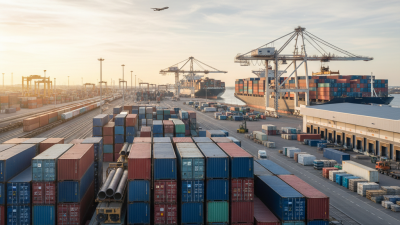
What is the Most Common Cargo Container Sizes?
In the shipping industry, understanding cargo container sizes is crucial. There are various sizes available, but the most common are the 20-foot and 40-foot containers. According to the International Maritime Organization, over 90% of global trade is carried by container ships. This statistic highlights the importance of these assets in facilitating trade.
James D. Lee, a logistics expert, states, "Cargo container sizes significantly affect shipping efficiency and costs." The standard dimensions offer a reliable framework for transporting goods. However, there is room for improvement. Many shippers still struggle with mismatched load sizes and improper packing. This leads to wasted space and increased expenses.
Trends are shifting toward more specialized containers as well. Reefer containers, for example, are gaining popularity in the food industry. Their precise temperature controls ensure goods remain fresh. Yet, not all suppliers adapt quickly to these changes. An understanding of various cargo container sizes can determine whether a business thrives or falters.
Types of Cargo Containers Used in Shipping Industry
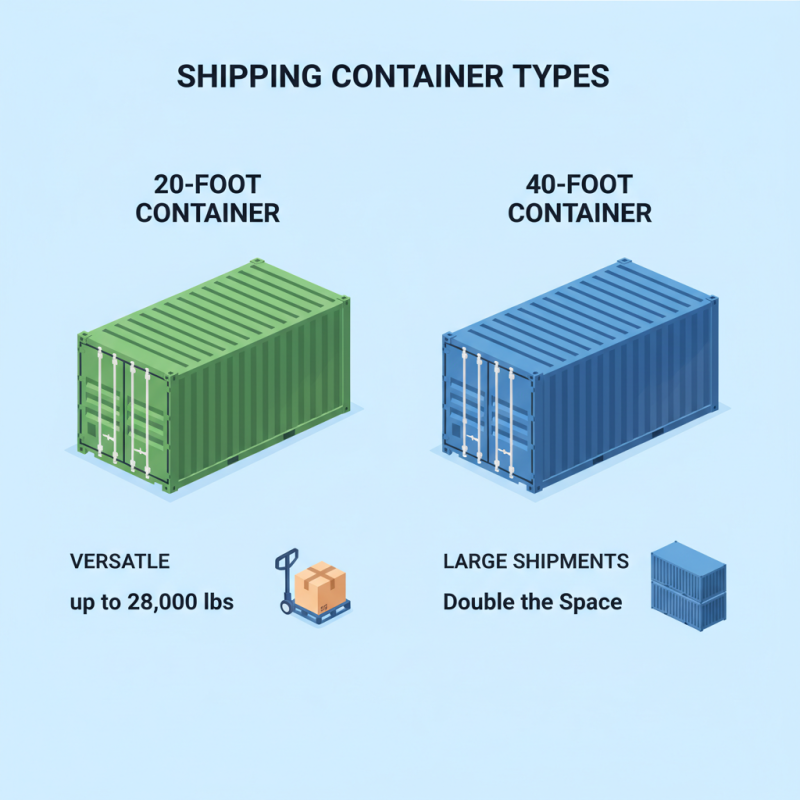
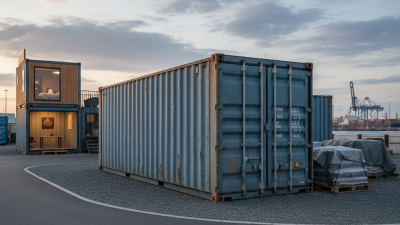
In the shipping industry, various types of cargo containers are commonly used. These containers come in different sizes, each designed for specific needs. A standard 20-foot container is popular for its versatility. It can hold around 28,000 pounds of cargo. On the other hand, a 40-foot container offers double the space, making it ideal for larger shipments.
Specialized containers also exist. Refrigerated containers, or reefers, maintain temperature-sensitive goods. They are crucial for transporting food and medical supplies. Another type is the open-top container, which allows for tall cargo that cannot fit inside a standard container. These variations serve different shipping requirements, but not every option is suitable for all situations.
Shipping methods are evolving, yet challenges remain. Some containers may experience damage during transit. This can lead to loss or contamination of goods. Recognizing the importance of proper handling is essential for minimizing such risks. The choice of container size and type should also reflect the specific cargo needs to ensure safe delivery.
Standard Dimensions for Shipping Containers
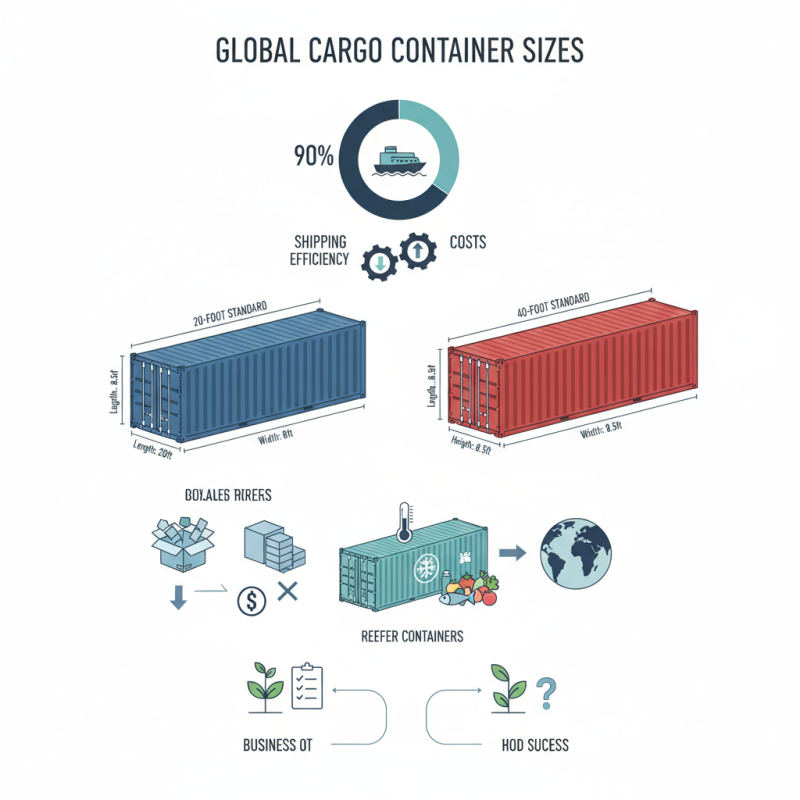
Shipping containers come in various sizes, but some dimensions are more common. The most popular standard sizes are 20-foot and 40-foot containers. These sizes fit most shipping needs. A 20-foot container measures about 20 feet long, 8 feet wide, and 8.5 feet high. This size can hold around 10 standard pallets. It’s ideal for shipments that do not require a large volume.
On the other hand, a 40-foot container is quite versatile, measuring 40 feet long and the same width and height as the 20-foot model. This container can hold approximately 20 pallets. It is commonly used for larger shipments.
However, containers can sometimes be tricky. They may not fit into all transport systems, leading to unexpected challenges. Choosing the correct size impacts shipping efficiency and cost. Therefore, understanding container dimensions is vital for all shipping operations.
Some might overlook the importance of these dimensions. It’s easy to think all containers are the same. But the right choice can save money and time. Recognizing how many goods can fit in each size is essential. This understanding can lead to better logistics planning, optimizing supply chains in the long run.
Comparison of Common Container Sizes
When discussing cargo containers, two popular sizes dominate the industry: 20-foot and 40-foot containers. The 20-foot container, measuring 20 ft long, 8 ft wide, and 8.5 ft high, can hold up to 28,000 pounds of cargo. This size is often used for smaller shipments or heavier items. Approximately 60% of global shipping containers are 20-foot units, which reflects their efficiency in transport.
On the other hand, the 40-foot container is a versatile option. Standing at 40 ft in length, it holds double the volume of a 20-foot container. It typically accommodates around 60,000 pounds of cargo. Statistics show that 40-foot containers comprise about 30% of the total shipping container market. This size is popular for bulk goods and larger shipments, but it can sometimes lead to wasted space if not fully utilized.
Interestingly, variations exist within these common sizes. For instance, high-cube containers offer extra height, providing more volume for cargo. Yet, not all shipping routes can accommodate these variations. This sometimes leads to logistical challenges. Many businesses may find themselves overpaying for unused space, prompting a rethink of how they manage their shipping needs. Providing accurate dimensions and weights upfront can prevent inefficiencies.
Usage and Applications of Different Container Sizes
When it comes to cargo container sizes, standardization plays a critical role in global trade. The most common sizes are 20-foot and 40-foot containers. According to industry reports, these containers account for about 90% of all cargo shipment volumes. The 20-foot container is ideal for transporting heavy materials, while the 40-foot version maximizes space for lighter goods.
The applications of different container sizes are vast. For instance, the 40-foot high cube container offers an additional foot in height, making it perfect for bulky items. In contrast, the 20-foot container is commonly used for international shipping of perishable goods. In fact, reports suggest that using the right size can improve transport efficiency by up to 15%. However, miscalculating cargo requirements can lead to wasted space and increased costs.
While the standard sizes serve most needs, some circumstances require customized containers. This flexibility is crucial in certain logistics situations. Not every shipment fits neatly into a standard container, and that can complicate the process. Ultimately, understanding these nuances can help companies optimize their shipping strategies and enhance overall logistics performance.
Common Cargo Container Sizes and Their Applications
Global Trade and Container Size Standardization
Cargo containers play a vital role in global trade. Their sizes are standardized to streamline shipping processes. The most common container sizes are 20 feet and 40 feet. These dimensions allow for efficient stacking and transport. Container size standardization reduces costs and simplifies logistics. As a result, businesses can optimize their supply chains.
When considering container sizes, it's crucial to know your goods. If your items are bulky, a 40-foot container may be better. For smaller shipments, a 20-foot one could suffice. Using the right size can save money on shipping fees.
Tips: Always measure your cargo before choosing a container. Confirm the weight limits for safety. Stay informed on container specifications. The wrong choice might lead to delays.
Be mindful of the limitations of container sizes. Not every shipment fits perfectly. Sometimes, goods might need extra protection. In these cases, customized solutions may be necessary. Never hesitate to reassess your shipping methods. Adaptability is key in a constantly changing market.
What is the Most Common Cargo Container Sizes?
| Container Type |
Standard Size (ft) |
Volume (m3) |
Max Payload (kg) |
| 20 ft Standard Container |
20 |
33.2 |
30,480 |
| 40 ft Standard Container |
40 |
67.7 |
26,880 |
| 40 ft High Cube Container |
40 |
76.4 |
30,480 |
| 45 ft High Cube Container |
45 |
85.0 |
30,480 |
| 10 ft Container |
10 |
15.8 |
9,500 |