Where to Find Free Shipping Containers for Your Next Project
If you're planning a project that requires durable and versatile materials, opting for free shipping containers can be an excellent choice. These containers are not only sturdy but also provide ample space for various uses. From creating unique living spaces to establishing pop-up shops, the potential applications are endless.
Finding free shipping containers may seem daunting. Many people are unsure where to start their search. Luckily, there are numerous avenues to explore. Local shipping companies may have surplus containers they are willing to part with at little or no cost. Additionally, businesses that frequently import goods might have containers available after unloading. Checking online marketplaces can uncover even more options.
However, while it can be tempting to obtain these containers without cost, it's essential to consider their condition. Inspecting them for rust, damage, or lingering odors will prevent future issues. Evaluating your needs and the container's state is critical. By doing so, you ensure that your project starts and stays on the right track.

Understanding the Basics of Shipping Containers and Their Uses
Shipping containers have become a versatile solution in many industries, from construction to retail. They serve as temporary storage, mobile offices, or unique homes. Understanding their uses is crucial for anyone considering a project involving these structures. Data from the International Maritime Organization shows that around 90% of global trade is transported via containers. This highlights their importance.
The durability of shipping containers can’t be overlooked. Constructed from corten steel, they withstand harsh conditions. In fact, many containers last for over 25 years with proper maintenance. They can be modified to suit various needs, like adding windows or insulation. However, it's essential to evaluate their structural integrity before use. Some containers may have rust or damage, which can be costly to repair.
Creative repurposing is increasingly common. Individuals turn containers into cafes, homes, and even greenhouses. A study by Container Homes Magazine revealed that container homes reduce construction time by up to 50%. Yet, building codes vary significantly by location. Not every city allows container structures. It's crucial to understand local regulations before starting a project to avoid potential roadblocks.
Assessing the Need: Determining the Right Size and Type of Container
When considering the right shipping container for your project, size and type are crucial. Containers come in various sizes, typically 20 or 40 feet long. A 20-foot container offers around 1,170 cubic feet of storage. This size is manageable for small projects, like garden sheds or playhouses. However, a 40-foot container provides twice the space, suitable for larger needs like home renovations or workshops.
Evaluate your project’s requirements carefully. For instance, will you need ventilation? Consider a container with side vents for air circulation. If insulation is necessary, look for containers with added thermal protection. Reflect on how often you’ll access the container. A container placed in a hard-to-reach location may become inconvenient over time.
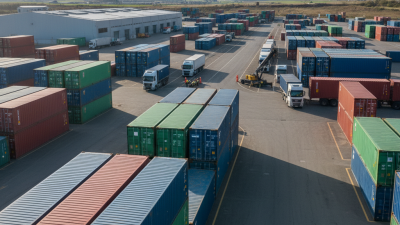
Location also matters. Nearby options can reduce transportation costs but may limit selection. Always check for the container's condition. Some may have rust or damage that could affect safety. Relying on images alone can be misleading. Seeing the container in person is ideal, even if it requires extra effort. Each choice shapes your project’s outcome, so careful assessment is essential.
Top Resources for Locating Free Shipping Containers in Your Area
Finding free shipping containers can be a treasure hunt. Local businesses often have containers to spare after receiving shipments. Contacting warehouses, logistics companies, and import/export businesses in your area can yield surprising results. Many are open to giving away containers if they’re no longer in use.
Online platforms serve as valuable resources too. Websites and community forums dedicated to trading or giving away materials are quite effective. You can also check local classified ads. Joining local social media groups about DIY projects or sustainable living may connect you with individuals who are letting go of old containers. It’s worth noting that the condition of these containers may vary. Some might be weathered or damaged, requiring extra work.
Patience is key in this search. Availability fluctuates based on demand and location. Regular follow-ups can increase your chances of securing a container. Remember, the hunt for free containers may take time and creativity. But the rewards are significant for your project and budget.
Evaluating Condition and Suitability of Found Shipping Containers
When searching for free shipping containers, it’s vital to assess their condition carefully. Containers often endure harsh conditions during transport. Look for signs of rust or corrosion on the exterior. These can weaken the structure over time. Additionally, check for any large dents or holes, which can indicate structural issues.
Inside the container, cleanliness matters too. A musty smell or residue may signal past contents that could pose problems. Ensure there are no leaks, as moisture can lead to mold growth. If the container has been previously used for agricultural or chemical products, think twice before using it for storage. Each aspect of the container can affect its suitability for your project.
Finally, consider how you plan to use the container. If it’s for a living space or work area, insulation and ventilation will be crucial. Not all containers are suitable for this. Take notes on the containers you inspect, noting their strengths and weaknesses. This evaluation process, though tedious, will save you headaches later on. Be willing to walk away from a container that doesn’t meet your needs.
Where to Find Free Shipping Containers for Your Next Project - Evaluating Condition and Suitability of Found Shipping Containers
| Container Type |
Size (ft) |
Condition |
Location |
Use Case Suitability |
| Standard Container |
20 |
Good |
California |
Storage, Workshop |
| High Cube Container |
40 |
Fair |
Texas |
Mobile Office, Studio |
| Refrigerated Container |
40 |
Excellent |
New York |
Food Storage, Events |
| Flat Rack Container |
20 |
Good |
Florida |
Heavy Equipment Transport |
| Open Top Container |
40 |
Fair |
Illinois |
Bulk Cargo Transport |
Regulatory Considerations When Acquiring and Using Shipping Containers
When considering shipping containers for your next project, understanding the regulatory landscape is crucial. Local zoning laws can differ significantly. Some municipalities may have strict guidelines on how these containers can be used or modified. Ensure that your intended use aligns with local regulations to avoid legal complications. It’s recommended to consult with local authorities.
The location of your project can also influence what regulations apply. In residential areas, shipping containers may have restrictions for aesthetics or safety. If you plan to use a container for commercial purposes, there may be additional permits required. Always verify zoning regulations before acquiring a container.
Tips: Research your local zoning law thoroughly. Many local government websites provide detailed information. Engage with community boards or forums; they can offer practical insights. Make sure to document all approvals and communications. This can save you from future liabilities. Consider visiting sites with similar setups for inspiration and to understand compliance firsthand.