

How to Buy Shipping Containers in 2026?

Buying shipping containers in 2026 requires more than comparing online prices. Buyers must connect market conditions, container specifications, transport costs, and compliance requirements. A low-priced unit may hide corrosion, poor door seals, or expensive inland delivery.

UNCTAD’s Review of Maritime Transport 2024 shows that global shipping remains exposed to congestion, rerouting, and capacity changes. These pressures can influence container availability and regional pricing. Drewry’s World Container Index also demonstrates how quickly freight costs can change across major trade routes. That matters when a container costs less at the depot but much more after delivery.

Condition matters.

This guide explains how to assess new, one-trip, and used shipping containers with practical buying criteria. It covers dimensions, steel grades, CSC plates, flooring, ventilation, locking bars, and inspection records. Buyers should measure the intended site before ordering. A 40-foot high-cube container needs more clearance than many people expect.

Container xChange market reports also show that container prices and availability vary by location, equipment type, and trade imbalance. Regional quotes are not always comparable. A price in Rotterdam may exclude delivery, lifting, taxes, inspection, or modification work.

Some assumptions deserve questioning. “Cargo-worthy” does not always mean visually perfect, while a weatherproof unit may still need repairs. Request dated photographs, serial numbers, and a written condition description. Confirm the seller’s identity and payment terms.

The safest purchase combines documented inspection, realistic logistics, and advice from an experienced container supplier. This approach reduces surprises and supports a defensible buying decision in 2026.
How to Buy Shipping Containers in 2026?

Define Your Shipping Container Purpose, Size, and Condition

Buying a shipping container in 2026 starts with a clear purpose. Storage, transport, workshops, and construction projects require different specifications. A 20-foot container suits compact sites and heavier cargo. A 40-foot unit provides more floor space but needs wider access. High-cube models add roughly 30 centimeters of internal height. Measure doors, turning areas, foundations, and delivery routes before ordering.

Industry scale matters. Drewry’s Container Census 2024 estimates the global container fleet exceeds 50 million TEU. UNCTAD’s Review of Maritime Transport 2024 reports about 858 million TEU moved through container ports in 2023. This volume supports broad availability, but condition varies sharply. New, one-trip containers usually offer cleaner floors and less corrosion. Cargo-worthy units can be economical for transport. Wind-and-water-tight units may suit basic storage, not demanding conversions.

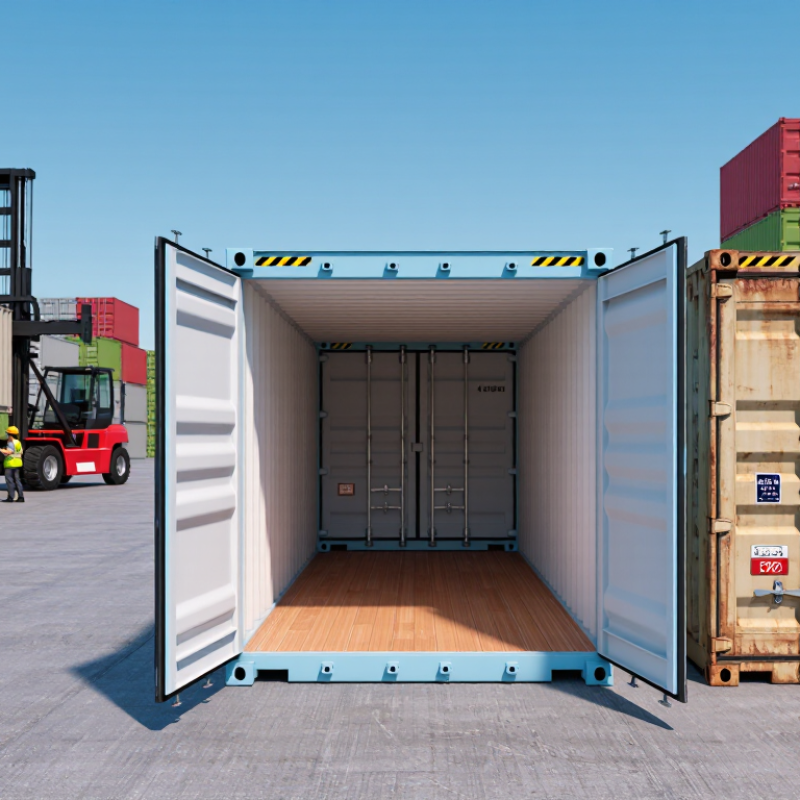
Inspect the actual box, not only its photographs. Check the CSC safety plate, door seals, locking bars, roof, corner castings, floor, and underside. Look for fresh paint covering rust. That can hide trouble. Ask for repair history, inspection records, internal dimensions, and delivery terms. I once focused too much on purchase price and underestimated crane access. The cheaper quote became expensive. Local building rules may also affect insulation, electrical work, foundations, and modifications. Confirm those requirements before cutting walls or installing equipment.

Set a Realistic Budget for Purchase, Delivery, and Modifications

A realistic 2026 container budget starts with the delivered unit, not the advertised price. A used 20-foot container may cost $1,500–$3,500, while a newer unit often reaches $3,000–$6,000. Prices vary by port, condition, certification, and local supply. Inspect door seals, corner castings, floor damage, and corrosion before paying. My first estimate was too low because I ignored unloading equipment.

Delivery can add $500–$2,500, depending on distance, road access, fuel costs, and whether a tilt-bed truck is required. Reserve another $300–$800 for permits, placement, and unexpected waiting time. UNCTAD’s Review of Maritime Transport 2024 reported 12.3 billion tons of seaborne trade in 2023. That volume supports steady demand, but disruptions can still move inland transport prices quickly. Keep a 15–20% contingency fund.

Modifications need their own worksheet. Basic ventilation, lighting, insulation, and a lockbox may cost $1,500–$5,000. Cutting doors or windows can increase structural and waterproofing costs. Electrical work should be priced by a qualified professional, not guessed from online tutorials. The International Energy Agency’s World Energy Outlook 2024 highlights continuing uncertainty in energy markets, which can affect fabrication and transport costs. Check local planning and building requirements early. Cheap modifications can become expensive repairs.

Compare Container Types, Suppliers, Prices, and Ownership Terms

How to Buy Shipping Containers in 2026?

Buying a shipping container in 2026 requires more than checking a low online price. Your cargo, site conditions, and ownership plan should guide the choice. Standard dry containers suit general storage. High-cube models provide extra interior height, useful for shelving or bulky equipment. Refrigerated units cost more and need dependable power, inspections, and maintenance records. Open-top and side-opening designs can simplify loading, but their resale markets are narrower.

Compare suppliers by delivered cost, not headline price. Request photos of the exact unit, its identification number, inspection date, and repair history. A serious supplier should explain grading terms, corrosion limits, flooring condition, and delivery access. Ask whether transport, unloading, taxes, and site preparation are included. Prices vary with age, location, steel condition, seasonal demand, and distance from the depot. Get at least three written quotations. That step is easy to skip.

Ownership terms deserve equal attention. A one-time purchase may offer control, while leasing reduces upfront expense for temporary projects. Read clauses covering deposits, damage, insurance, relocation, late fees, and end-of-term removal. For long-term use, calculate purchase, delivery, foundation work, repainting, and future resale value. For short storage, leasing may appear cheaper, though renewal increases can change the calculation. I once underestimated crane access; placement became an expensive problem. Measure turning space and overhead clearance before signing. Small details matter.

Inspect the Container’s Structure, Certification, and Interior Condition

How to Buy Shipping Containers in 2026?

In 2026, buying a shipping container requires more than checking its price and size. Inspect the structure in daylight, preferably after rain. Water marks often reveal problems that a quick showroom visit misses. Walk around the entire unit. Examine corner posts, roof seams, door frames, and bottom rails for deep rust, twisting, or fresh paint hiding repairs. A small dent may be harmless, but a bent corner post can affect stability and door operation. Never assume.

Certification deserves equal attention. Check the identification plate, serial number, inspection date, and permitted use. The details should match the seller’s documents. If numbers differ, pause the purchase. Requirements can vary by location and intended use, so confirm them with a qualified inspector or local authority. A valid certificate does not guarantee excellent condition.

The interior needs a careful, practical test. Open and close both doors several times. Look for daylight through pinholes, damp plywood, chemical smells, mold, and uneven flooring. Use a flashlight along the roof and wall joints. Stand inside during a quiet moment. Listen for dripping or loose panels. A clean floor can still hide water damage underneath. I once focused too heavily on external rust and overlooked a damaged door seal. That mistake changed my inspection checklist. Ask for recent photographs, repair records, and a clear condition report. Also budget for delivery, lifting, repainting, and unexpected repairs. Cheap is not always economical.

Arrange Delivery, Placement, Documentation, and Final Maintenance

How to Buy Shipping Containers in 2026?

Arrange delivery before paying the final balance. A standard 20-foot container can weigh over 2,200 kilograms empty, so the vehicle and lifting plan matter. Ask for the container’s external dimensions, gross weight, corner-casting condition, and delivery clearance. Measure gates, turning space, overhead cables, and ground firmness. A site can look accessible but fail in rain.

UNCTAD’s Review of Maritime Transport 2024 states that more than 80% of global merchandise trade moves by sea. That scale creates scheduling pressure when ports, roads, or weather conditions change. Request a written delivery window, insurance details, and a damage-reporting process.

Confirm whether unloading uses a tilt-bed truck, crane, or side-loader. Keep the container level, preferably on concrete pads or compacted gravel, with ventilation beneath the floor. Tiny mistakes become expensive.

Documentation should include the unit number, condition photos, ownership evidence, delivery receipt, and inspection record. ISO 668 defines common container dimensions, but it does not guarantee a dry or structurally sound unit. Check roof seams, door gaskets, locking bars, floor boards, and visible corrosion. The World Bank’s Logistics Performance Index 2023 highlights the importance of reliable customs and shipment tracking, even for domestic transfers. Maintenance is simple but not optional: lubricate hinges, clear roof drains, repair rust early, and inspect after storms. I would also budget for surprises. A perfect forecast rarely exists.