What is a storage shipping container and how is it used?
Storage shipping containers have become essential tools for businesses and individuals alike. According to Michael Green, an expert in the shipping industry, "These containers are versatile and meet diverse storage needs." Their utility is evident in various sectors, from construction to retail.
These sturdy metal boxes offer a secure space for storing goods. They are commonly used to transport items over long distances and keep them safe. Their durability makes them ideal for both short-term and long-term storage solutions. However, many users overlook maintenance, leading to potential wear and tear.
Adopting storage shipping containers can be a game changer. Yet, it's important to recognize that not all containers are created equal. Sizing and condition vary widely across different options. This can impact storage effectiveness. Therefore, investing time in choosing the right container is crucial.
What is a Storage Shipping Container?
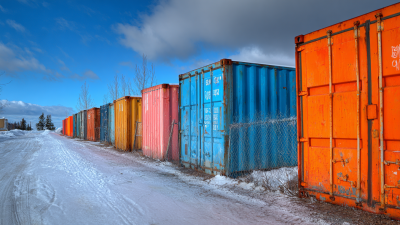
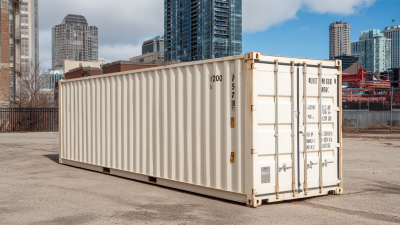
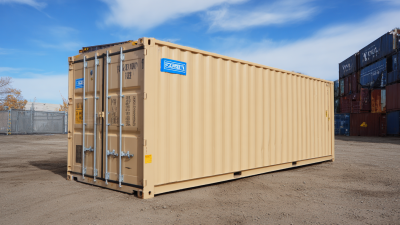
A storage shipping container is a versatile metal box. These containers come in various sizes, typically 20 or 40 feet long. They are designed to store goods securely. Many people and businesses use them for different purposes.
These containers are strong and weather-resistant. You can find them used on construction sites, for example. They help keep equipment safe from theft or damage. Some individuals turn them into pop-up shops or homes. This adaptability shows their potential. However, one challenge is the need for proper ventilation. Without it, items inside can suffer from humidity and mold.
A storage shipping container can be a great solution, but it requires careful planning. Some containers may have rust or dents. This can affect their usability. It's essential to inspect each container before use. Understanding your specific needs is vital. Proper placement and accessibility matter in the long run.
Types of Storage Shipping Containers Available
When exploring storage shipping containers, it’s essential to understand the types available. These containers vary in size, shape, and purpose. Common types include standard steel containers, refrigerated containers, and high cube containers. Each type serves distinct needs in various industries.
Standard steel containers are robust and widely used for general storage. They’re available in 20-foot and 40-foot lengths. Refrigerated containers, or reefers, maintain temperatures for perishable goods. They are crucial for food transport but can be more expensive. High cube containers offer additional vertical space, making them useful for bulky items.
**Tips:** Check measurements before renting a container. Many people underestimate the space they need. Inspect the container's condition before use to avoid surprises. Poor conditions can lead to damage of stored goods. Remember that delivery logistics matter too; a convenient location makes access easier.
Storage Shipping Container Types and Popularity
Common Uses of Storage Shipping Containers
Storage shipping containers are versatile solutions for various sectors. Their common uses span construction, retail, and logistics. E-commerce businesses increasingly use these containers for efficient inventory management. The global storage container market is projected to grow significantly, forecasting a CAGR of 3.3% from 2021 to 2028, according to industry reports.
In construction, shipping containers serve as secure storage units on-site. They protect tools and materials from theft and weather. Many builders convert them into office spaces or break rooms due to their portability. Retailers also adapt these containers into pop-up shops. They provide unique designs and can be placed in high-traffic areas. This method helps businesses create memorable experiences.
**Tip:** Ensure containers are clean and dry before use. This prevents contamination and damages.
Another common application is for housing. Container homes are appealing to many due to affordability and sustainability. However, potential buyers should consider insulation and safety features. They should not overlook local zoning laws.
**Tip:** Seek professional advice for modifications to ensure compliance with regulations.
Benefits of Using Storage Shipping Containers
Storage shipping containers offer versatile solutions for various needs. One key benefit is
their cost-effectiveness. According to a report by IBISWorld, the global shipping container market is projected to grow at a
CAGR of 3.9% through 2026. This rising demand emphasizes their affordability for both businesses and individuals.
Moving, storing, and transporting goods using these containers can save considerable money compared to traditional storage methods.
Another advantage is security. Many containers are made from durable steel. This construction provides
strong protection against theft and weather. A study by the Container Owners Association revealed that more than
95% of storage containers have high lock security. However, not all containers are maintained well.
It’s crucial to inspect and choose containers in good condition. Failure to do so could lead to unexpected leaks or damage.
Adaptability is also a significant benefit. These containers can be modified for various uses,
including workshops or pop-up shops. A survey from Container Technologies highlighted that over
30% of users repurpose containers creatively. Nevertheless, potential buyers should consider
zoning laws and local regulations. This oversight can complicate plans. Finding the right fit requires thought and attention to detail.
Considerations for Choosing a Storage Shipping Container
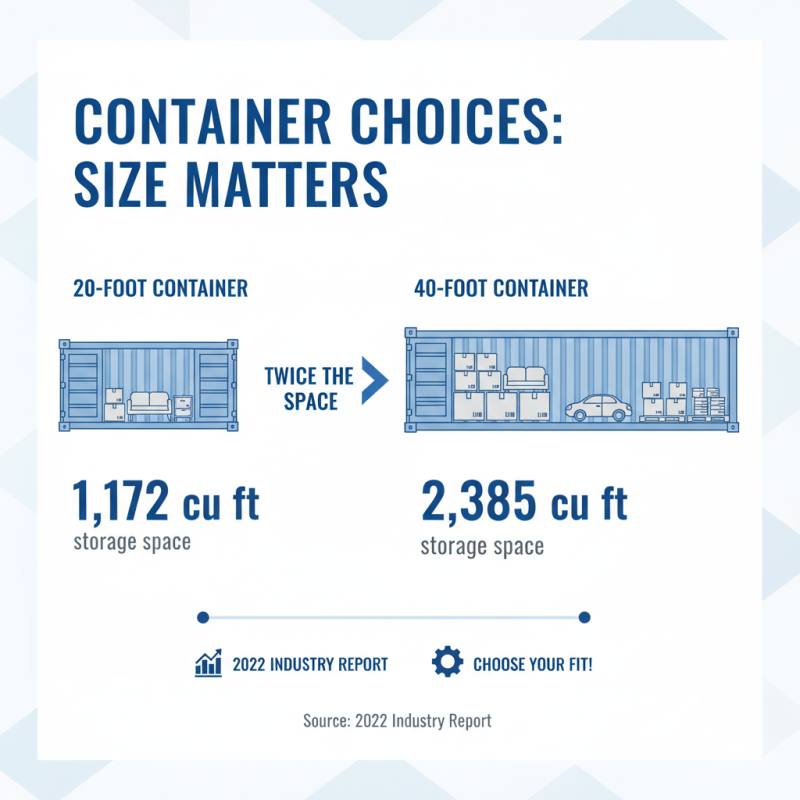
When choosing a storage shipping container, consider size first. Standard containers come in 20-foot and 40-foot lengths. The best fit depends on your storage needs. According to a 2022 industry report, a 20-foot container offers about 1,172 cubic feet of space, while a 40-foot container provides around 2,385 cubic feet. This can significantly affect your decision.
Condition is another critical factor. Used containers might show signs of wear. Rust, dents, and leaks can reduce their lifespan. An estimated 25% of used containers require repairs before use. Inspecting the container thoroughly can save you from unexpected costs later. Also, location matters. Containers can be delivered to various sites, but availability varies by region. Some areas may have limited options, which can complicate your planning.
Finally, think about insulation. If you're storing temperature-sensitive items, consider a climate-controlled container. While they can be pricier, protecting your goods is essential. Data shows that damage from extreme temperatures can exceed storage costs by 50%. Reflecting on these elements can ensure you make an informed decision that best suits your needs.