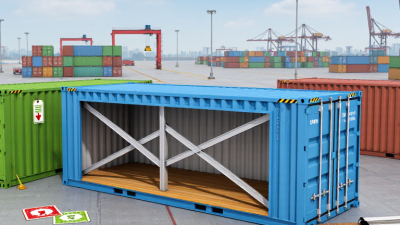


Top 10 Second Hand Storage Containers for Sale
Choosing second hand storage containers can reduce costs without sacrificing practical storage capacity. However, a low price does not always mean good value. Age, previous use, weather exposure, and maintenance history can change a container’s performance significantly.
This guide introduces the top 10 second hand storage containers for sale, covering options for farms, construction sites, warehouses, workshops, and home projects. Each choice should be assessed carefully. Look for solid door hinges, working locks, clean floors, and a roof without serious leaks. Check the corners and lifting points for dents, deep rust, or visible distortion. Small scratches may be harmless. Structural damage is different.
Measurements also deserve attention. A container that looks spacious outdoors may not fit through a narrow driveway or beside an existing building. Take accurate site measurements before arranging delivery. Ask sellers for clear photos, inspection details, manufacturing information, and records of repairs. Reputable suppliers should explain the container’s condition honestly, including its weaknesses.
Some units may need new seals, repainting, or minor floor repairs. That is not necessarily a problem. It does affect the real purchase cost. Personally, I would rather choose a weathered container with a reliable history than a freshly painted unit with unclear repairs. This guide compares practical features, expected condition, security, portability, and overall value. The rankings are useful, but they are not absolute. Your location, budget, and intended storage materials should shape the final decision.
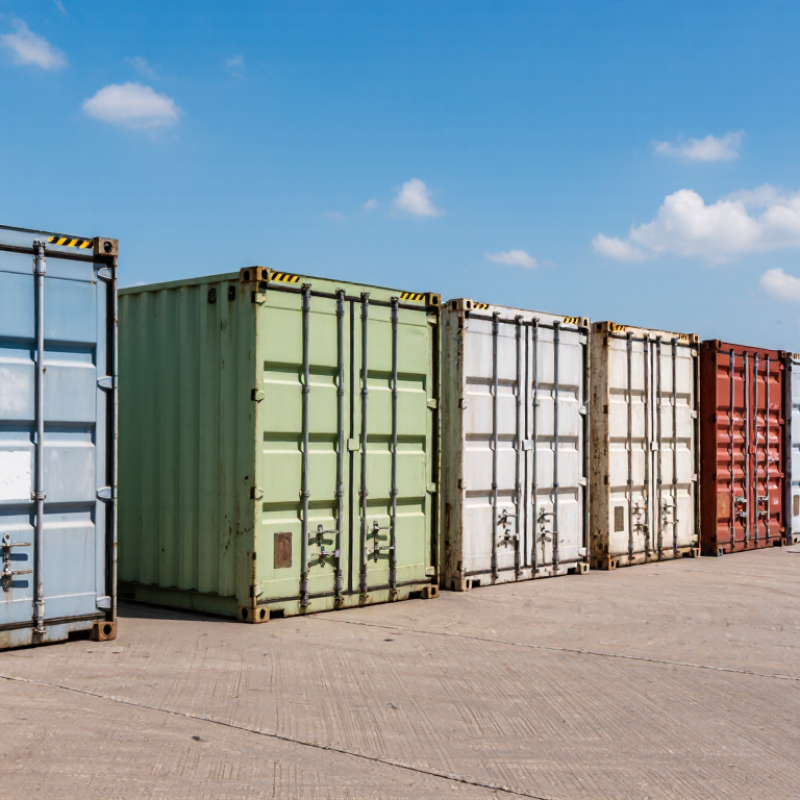
What Are Second-Hand Storage Containers and How Are They Used?
Second-hand storage containers are previously used steel units sold for storage or adapted for other practical purposes. They may have carried ordinary goods, so their condition can vary from lightly worn to heavily weathered. Buyers often use them to store tools, seasonal equipment, furniture, or building materials. Some serve as temporary workshops or secure on-site storage. That history matters.
Before purchase, inspect the roof, floor, doors, and corner fittings. Look for daylight entering through holes, soft patches in the floor, and rust around seams. Open and close each door; stiff hinges or damaged seals can make daily access frustrating. Check for lingering odors and ask about previous use when records are available. A fresh coat of paint is not proof of sound steel. I would not rely on appearance alone.
The container also needs a suitable, level base, such as firm gravel or concrete blocks. Uneven support can twist the frame and affect door alignment. Measure the interior, not just the advertised exterior dimensions, especially when storing shelving or bulky equipment. Ventilation may be necessary for items that release moisture. Small details count. A used unit can offer useful storage, but some repairs cost more than expected. Planning for that possibility is sensible.
Which Types of Used Storage Containers Are Available for Sale?
Used storage containers come in several practical types, and the best fit depends on the items and available space.
Standard dry containers are enclosed and weather-resistant, making them suitable for tools, furniture, and boxed supplies. High-cube models offer extra interior height, useful for tall shelving or bulky equipment.
Space matters.
Open-top containers have removable covers, so they can accommodate tall items loaded from above. Side-opening units provide wider access than standard end doors, which helps when retrieving items stored deep inside. Used refrigerated containers may suit temperature-sensitive storage, but their cooling systems need power and careful inspection.
Before buying, check the container’s size, door operation, floor condition, and seals. Look for soft spots, corrosion around the lower rails, and daylight entering through closed doors. A fresh coat of paint can hide wear, so appearance alone is not enough. I would not assume every used unit is completely watertight; inspection notes and clear photos help, though they cannot replace an in-person check.
Tips: Ask for interior and exterior measurements. Check the floor. Confirm delivery access, since a container may fit the storage area but not the route to it.
How to Compare the Top 10 Used Storage Container Options
Top 10 Second Hand Storage Containers for Sale
To compare ten common used options, match the container to its job before judging the price. Choices include 10-foot, 20-foot, 40-foot, high-cube, side-door, double-door, open-side, insulated, refrigerated, and modified units. These categories overlap, so a high-cube container may also have extra doors. Check the listed dimensions and usable interior space, not just the label. UNCTAD’s Review of Maritime Transport 2023 reported 858.1 million TEU in global container-port throughput in 2022, down 3.7% from 2021. That figure describes port activity, not used-container quality or local stock. It does show the scale of container movement behind this market.
For storage, inspect the roof seams, corner posts, door seals, floor, and underside. Look for pinholes, deep corrosion, soft flooring, and doors that bind. A fresh coat can fool the eye. Ask for dated photos and an inspection record; compare them with the actual unit before paying. Refrigerated models need extra checks on insulation, wiring, and cooling equipment, even when refrigeration is not required. Side-opening units can ease access to bulky items, but their extra hardware deserves close inspection. Compare delivery access, placement costs, and the ground where the unit will sit. A cheap 40-foot option may be impractical on a tight site. I would still hesitate without seeing the doors open. Look underneath, too.
Top 10 Second Hand Storage Containers for Sale - How to Compare the Top 10 Used Storage Container Options
Compare common used container types by approximate external dimensions, typical condition, and indicative U.S. purchase price.
| Rank | Used Container Option | Approx. External Dimensions (L × W × H) | Typical Used Condition to Check | Indicative Price (USD) | Best Suited For |
|---|---|---|---|---|---|
| 1 | 20 ft Standard Dry Container | 20 ft × 8 ft × 8 ft 6 in | Look for sound corner posts, working doors, intact floor, and no holes or major corrosion. | $1,500–$3,000 | General storage, tools, equipment, and smaller sites. |
| 2 | 40 ft Standard Dry Container | 40 ft × 8 ft × 8 ft 6 in | Inspect the full roof and side panels; check that the long floor is firm and the doors seal. | $2,000–$4,000 | High-volume storage where site access and turning space are adequate. |
| 3 | 40 ft High-Cube Dry Container | 40 ft × 8 ft × 9 ft 6 in | Check roof bows, door alignment, floor condition, and clearance at the delivery site. | $2,500–$5,000 | Bulky goods, taller items, and storage needing extra vertical clearance. |
| 4 | 10 ft Converted Dry Container | Typically about 10 ft × 8 ft × 8 ft 6 in | Often cut down from a longer unit; inspect welds, frame reinforcement, doors, and weather seals. | $1,500–$3,000 | Compact storage areas with limited space for a full-size container. |
| 5 | 20 ft High-Cube Dry Container | 20 ft × 8 ft × 9 ft 6 in | Confirm the actual height and inspect the roof, doors, floor, and signs of water entry. | $2,000–$4,000 | Smaller sites needing more headroom than a standard-height unit provides. |
| 6 | 20 ft Refrigerated Container (Reefer) | About 20 ft × 8 ft × 8 ft 6 in | Check whether the refrigeration machinery works; verify power requirements and inspect insulation and seals. | $4,000–$10,000 | Temperature-controlled storage, provided the unit’s refrigeration system is serviceable. |
| 7 | 20 ft Insulated Container | About 20 ft × 8 ft × 8 ft 6 in | Inspect insulation for moisture, damage, or gaps; check the floor and door seals carefully. | $2,500–$5,500 | Storage where reduced temperature swings are useful, without active refrigeration. |
| 8 | 20 ft Open-Side Container | Typically 20 ft × 8 ft × 8 ft 6 in | Test the full-length side doors and locking points; inspect hinges, seals, and frame alignment. | $4,000–$8,000 | Goods that need wide side access for loading or frequent retrieval. |
| 9 | 20 ft Double-Door (Tunnel) Container | 20 ft × 8 ft × 8 ft 6 in | Check both sets of doors, locking rods, seals, and the floor for damage or soft spots. | $2,000–$4,500 | Storage that benefits from access at both ends or easier through-loading. |
| 10 | 40 ft Refrigerated Container (Reefer) | About 40 ft × 8 ft × 9 ft 6 in | Confirm machinery operation and service history; allow for the unit’s power, ventilation, and delivery needs. | $7,000–$15,000 | Larger temperature-controlled storage where a working refrigeration system is essential. |
Dimensions are approximate external measurements; actual dimensions can vary by unit and manufacturer. Price ranges are illustrative estimates for used units and vary with age, condition, location, availability, and whether refrigeration equipment works. Delivery, site preparation, taxes, and repairs are not included. Confirm measurements, condition, and a current written quote before purchase.
What Quality, Size, and Condition Factors Should Buyers Check?
Start with the container’s intended use and the space available at the delivery site. Measure the usable interior length, width, and height; exterior dimensions do not tell the whole story. Allow room for shelving, pallets, and door swing. Measure twice. A narrow access lane can make delivery difficult even when the container itself fits.
Check corner posts, rails, roof, and floor for bends, deep corrosion, soft spots, or daylight through seams. Open and close both doors; they should move without force and latch evenly. Look closely. A fresh coat of paint can look reassuring, but it may conceal patched areas, so ask what was repaired and when. Stand inside during daylight and check for water stains, musty smells, and damp flooring.
Condition labels are not always standardized between sellers. Request current photos of the actual unit, a written description of damage, and details about repairs and door seals. If possible, inspect it after rain; leaks can be easier to spot then. This may seem fussy, but moisture can ruin cardboard, textiles, and tools. Confirm delivery charges, unloading requirements, and whether the quoted price reflects the unit’s shown condition. Leave some room in your budget: older steel may need maintenance sooner than expected.
How to Choose and Purchase the Right Second-Hand Container
Before comparing listings for second-hand storage containers, define what you need to store and where the unit will sit. Measure the available footprint, access route, and tallest item; delivery trucks need turning space too. A 20-foot container may look compact online, yet feel imposing beside a narrow driveway. Check the stated dimensions against your own measurements. Ask whether the price includes delivery, unloading, and repairs. Small details matter. Inspect the roof for dents that hold water, and look for daylight around closed doors. That light can reveal gaps. Check the floor for soft spots, strong odors, or stains that could affect stored goods.
Request clear photographs of the interior, corners, door seals, and underside, not just polished exterior views. If possible, inspect the container in person during daylight. Open and close both doors; stiff hinges or uneven locking bars can become daily frustrations. Look for corrosion around seams and patches that appear newer than the surrounding metal. Ask the seller about previous repairs and how long the unit has been stored outdoors. A written condition report is useful, though it cannot replace a careful inspection. Compare the delivered cost, not only the listed price. I would not assume a fresh coat of paint means sound steel; it may simply make flaws harder to spot. Allow room in your budget for minor fixes, because older units rarely arrive perfect.
Related Posts
-
2026 Best Recycled Shipping Containers for Sale?
-
Essential Tips for Buying a 20 ft Cargo Container?
-
Top Uses for 20 Ft Storage Containers in 2025 Essential Guide
-

Top Benefits of Using Second Hand Storage Containers for Your Next Move?
-

How to Buy Second Hand Shipping Containers for Your Needs and Budget
-

10 Tips for Buying 2nd Hand Shipping Containers Like a Pro?