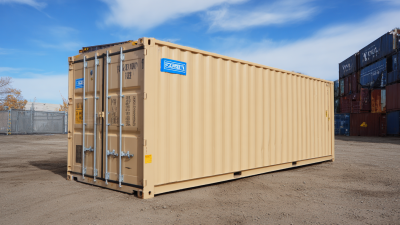
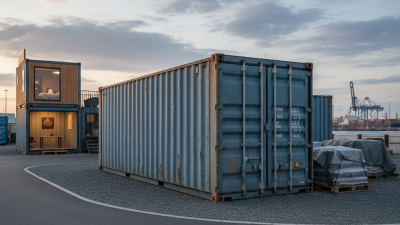
2025 Top Trends in Sea Container Innovations and Sustainable Solutions
The shipping industry is undergoing a significant transformation, driven by the increasing demand for efficiency and sustainability in global logistics. As of 2021, the global sea container market was valued at approximately $8.1 billion and is projected to grow at a CAGR of over 5% by 2026, highlighting the critical role that sea containers play in international trade. Innovations in sea container design and technology are essential to improving logistical operations while also addressing the environmental impact associated with shipping.
In response to mounting pressure from regulatory bodies and environmental organizations, the industry is embracing various sustainable solutions. Reports indicate that around 90% of the world's goods are transported by sea, and this has catalyzed the development of eco-friendly initiatives, such as energy-efficient container ships and the use of alternative fuels. As we approach 2025, emerging trends within the sea container sector will undoubtedly focus on enhancing both operational efficiency and sustainability. This impending shift reflects a broader commitment to reducing carbon emissions and fostering responsible supply chain practices, ultimately aiming to create a more viable future for global shipping.

Current Innovations in Sea Container Design and Technology
The advancements in sea container design and technology are rapidly evolving, driven by a need for greater efficiency and sustainability within the global shipping industry. According to a recent report by a leading maritime analytics firm, the container shipping market is forecasted to grow by 5% annually through 2025, highlighting the increasing demand for innovative solutions. Among the key trends are the development of smart containers equipped with IoT technology, which facilitate real-time tracking and monitoring of cargo conditions. This technology not only enhances supply chain transparency but also minimizes losses due to spoilage or damage, thus promoting sustainability by reducing waste.
Moreover, the integration of alternative materials in container construction is gaining momentum. Research indicates that containers made from advanced composite materials can reduce weight by up to 20%, leading to lower fuel consumption and emissions during transport. Additionally, these materials often offer enhanced durability and resistance to corrosion, which can extend the lifespan of the containers. As global shipping strives for carbon neutrality, initiatives such as introducing solar panels on container surfaces are also being explored, potentially generating renewable energy to power onboard systems, demonstrating a significant shift towards eco-friendly practices in the maritime sector.
2025 Top Trends in Sea Container Innovations and Sustainable Solutions
Advancements in Sustainable Materials for Sea Containers
The sea container industry is experiencing a transformative wave as advancements in sustainable materials take center stage. With the growing awareness of environmental responsibility, manufacturers are increasingly turning to eco-friendly alternatives. Traditional steel and aluminum containers are being replaced or complemented with innovative materials such as recycled plastics, bioplastics, and composite materials that offer enhanced durability while minimizing ecological footprints. These sustainable materials not only reduce carbon emissions during production but also ensure better recyclability at the end of their lifespan.
In addition, developments in modular design are allowing for greater flexibility in shipping operations. Containers made from sustainable materials can be produced in varying sizes and configurations, optimizing space and reducing freight costs. Moreover, the integration of smart technologies into these containers aids in tracking and monitoring shipments with minimal resource consumption. This holistic approach not only addresses the immediate needs of the shipping industry but also paves the way for a more resilient and sustainable future.
Ultimately, the shift towards sustainable materials not only enhances operational efficiency but also aligns with global efforts to combat climate change, making sea container shipping greener and more responsible.
Impact of IoT and Smart Technology on Container Efficiency
The integration of IoT and smart technology in the maritime industry is revolutionizing sea container logistics, driving unprecedented efficiency and sustainability. According to a recent report by McKinsey, the adoption of IoT applications in container shipping could unlock up to $40 billion in annual savings by improving visibility and asset utilization across the supply chain. Smart sensors embedded in containers allow for real-time tracking of conditions such as temperature and humidity, critical for sensitive cargo. This not only enhances supply chain transparency but also minimizes waste, particularly in sectors like food and pharmaceuticals, where spoilage can lead to significant financial losses.
Additionally, the role of predictive analytics powered by IoT devices offers a new frontier in operational efficiency. By analyzing data collected from various stages of the shipping process, companies can anticipate delays, optimize routes, and reduce fuel consumption, thus contributing to a smaller carbon footprint. A report from Deloitte suggests that implementing these technologies could improve container turnaround times by 20-30%, thereby increasing throughput and reducing operational costs. As stakeholders increasingly recognize the importance of sustainability, leveraging smart technology in sea container innovations will be central to achieving both economic and environmental goals.
2025 Top Trends in Sea Container Innovations and Sustainable Solutions - Impact of IoT and Smart Technology on Container Efficiency
| Trend |
Description |
Impact on Efficiency |
Sustainability Factor |
| IoT-Enabled Monitoring |
Integration of IoT sensors for real-time tracking and monitoring of container conditions. |
Increases visibility of cargo conditions, reducing losses and optimizing routes. |
Reduces spoilage and waste, enhancing energy efficiency. |
| Automation in Logistics |
Use of robotics and automated systems to streamline loading and unloading processes. |
Enhances operational speed and reduces labor costs. |
Minimizes human error and reduces resource consumption. |
| Smart Fleet Management |
Utilization of AI to optimize fleet routing and maintenance schedules. |
Reduces fuel consumption and improves delivery times. |
Lower carbon footprint from optimized fuel usage. |
| Sustainable Materials |
Incorporation of eco-friendly materials in container construction. |
Improves durability and reduces waste during manufacturing. |
Supports circular economy initiatives. |
| Blockchain for Transparency |
Implementation of blockchain technology to enhance supply chain transparency. |
Facilitates better tracking of shipments, reducing delays. |
Encourages ethical sourcing and accountability. |
Eco-friendly Practices in Container Shipping and Logistics
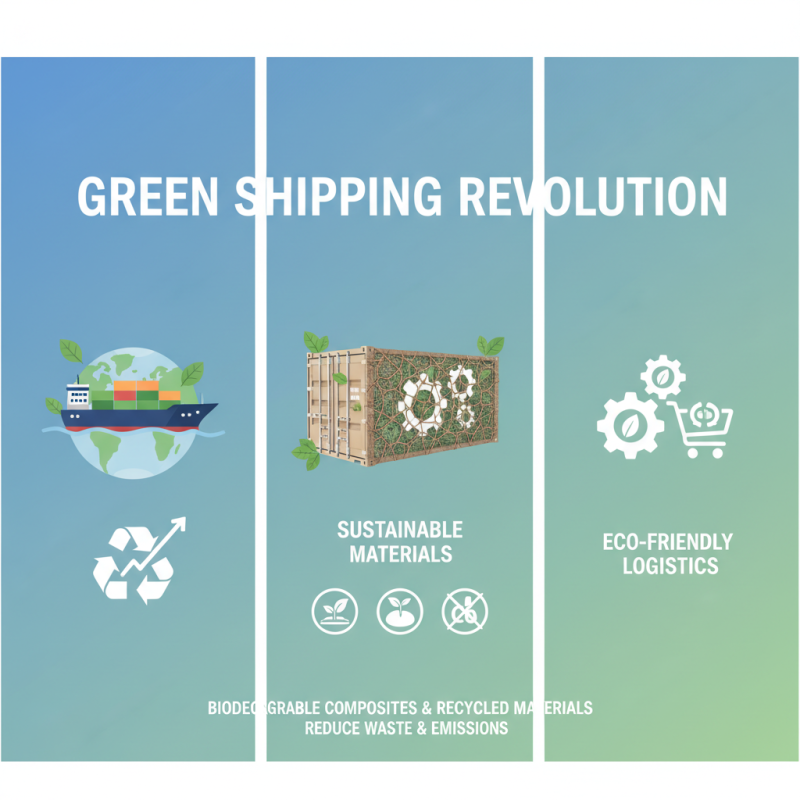
In recent years, the shipping and logistics industry has increasingly recognized the importance of eco-friendly practices to mitigate environmental impact. One key trend is the adoption of sustainable materials in container manufacturing. Companies are exploring alternatives to traditional materials like steel and aluminum, opting for biodegradable composites and recycled materials that reduce waste and lower carbon footprints. This shift not only aligns with global sustainability goals but also appeals to environmentally conscious consumers.
Another significant development is the integration of smart technology and energy-efficient systems in container shipping. Innovations such as solar-powered containers and automated monitoring systems help optimize cargo management and reduce emissions. By harnessing data analytics, businesses can enhance route planning and significantly decrease fuel consumption, ultimately leading to lower greenhouse gas emissions. As the industry moves towards these sustainable solutions, the emphasis on eco-friendly practices is poised to reshape the future of logistics, driving operational efficiency while protecting the planet.
Future Prospects and Challenges in Sea Container Sustainability
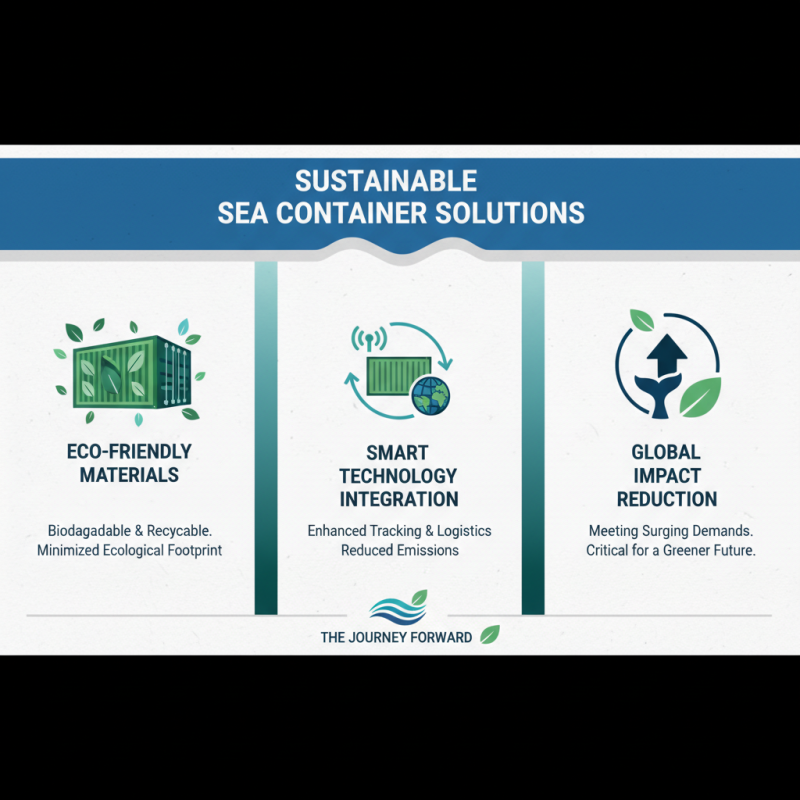
The journey toward sustainable sea container solutions is fraught with both promise and challenges. As global shipping demands continue to surge, the push for innovations that reduce environmental impact has never been more critical. The adoption of eco-friendly materials and design practices is a pivotal aspect of this transformation. Future designs may incorporate biodegradable or recyclable materials aimed at minimizing the ecological footprint of containers. Furthermore, advancements in smart technology can enhance tracking and logistics efficiency, reducing unnecessary emissions during transport.
However, the transition to sustainable sea container solutions is not without obstacles. The initial investment in green technologies and materials can be a barrier for many companies, particularly smaller operators who face tight profit margins. Additionally, regulatory frameworks across different regions vary widely, causing inconsistencies in implementation and compliance. Stakeholders in the shipping industry must work collaboratively to overcome these challenges, fostering innovation while addressing economic constraints and regulatory hurdles. This collaborative approach can pave the way for a more sustainable future in sea container logistics, balancing operational efficiency with environmental responsibility.