2026 How to Use a 20 ft Shipping Container for Your Next Project?
Using a 20 ft shipping container for your next project is an innovative choice. These versatile structures can serve multiple functions. They are ideal for storage, workshops, or even unique living spaces.
Consider the size and weight of your container. A 20 ft shipping container is manageable and easier to transport than larger options. However, keep in mind the need for a solid foundation and proper ventilation. Modifications can enhance comfort but require careful planning.
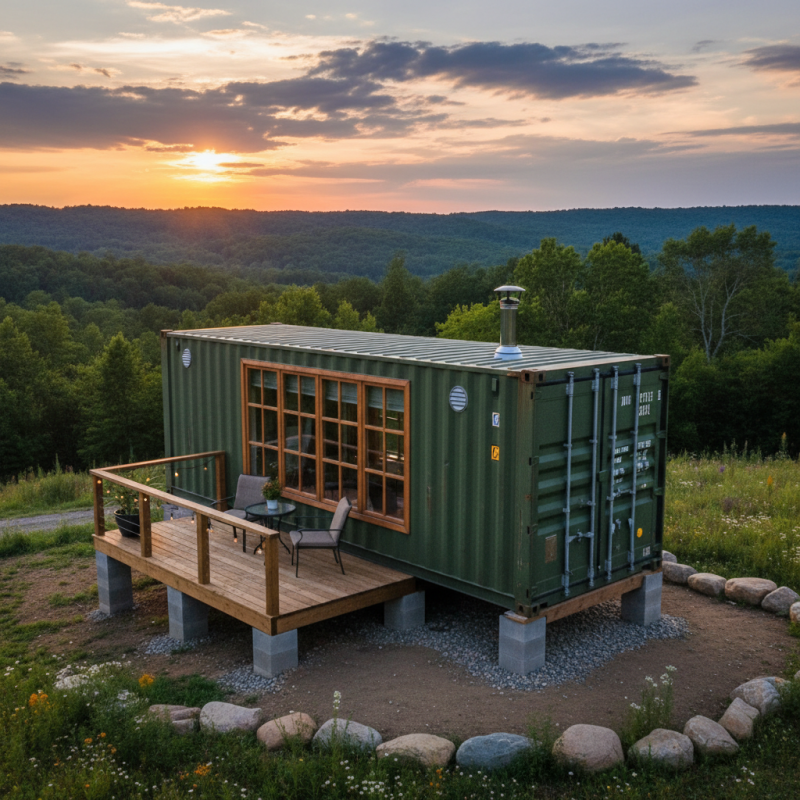
Imagine transforming the container into a cozy retreat. Picture insulation, windows, and a small deck. Yet, the cost of renovations can add up. Research local regulations to ensure compliance. Embrace creativity while acknowledging these limitations. A well-planned project can yield impressive results with a 20 ft shipping container.
Understanding the Versatility of 20 ft Shipping Containers
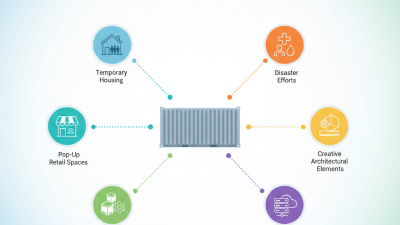
Using a 20 ft shipping container can open doors to various possibilities. These containers are not just for storage; they can transform into unique spaces. You might consider using them as pop-up shops or outdoor offices. They are portable and relatively easy to modify. However, proper planning is key to success.
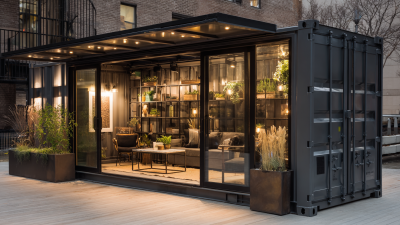
Imagine converting a shipping container into a cozy coffee shop. With windows cut out and a small deck added, it can thrive in a busy area. Or, think about creating a small workshop for hobbies. It’s practical, but you may face challenges with insulation or ventilation.
These containers can also serve as homes. A creative layout can provide living space. It may not fit everyone's taste, and zoning laws can complicate things. So, while the potential is significant, careful consideration is crucial. Exploring creative ideas can lead to exciting outcomes, but don’t overlook the details.
Planning Your Project: Assessing Space and Requirements
When planning your project with a 20 ft shipping container, assessing your space and requirements is crucial. According to a report by the World Shipping Council, shipping containers are becoming popular for various construction uses. They provide a unique way to manage space efficiently. However, not every project will suit a shipping container.
Consider your site dimensions carefully. Measure the area where the container will go. The container’s dimensions are 20 ft long, 8 ft wide, and nearly 8.5 ft high. Ensure accessibility for transporting materials and any additional work needed around the container. Site preparation can be underestimated, leading to costly delays.
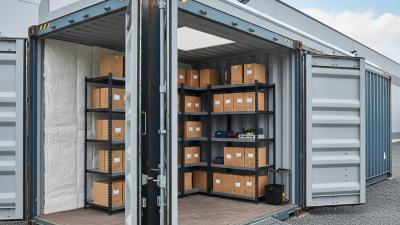
Also, evaluate the internal layout. Will you need shelving, insulation, or ventilation? A study from the Container Shipping Association suggests that effective internal design maximizes space usability. Think about power sources like solar panels. But don’t overlook your needs: how will you use this space? Reflect on these details before purchasing.
Essential Modifications for Optimizing Container Use
Using a 20 ft shipping container for your next project can be exciting. Essential modifications can transform it into a functional space. Start by assessing your needs. Do you need it as storage? Or perhaps a workspace?
One common modification is adding windows and a door. This allows natural light to enter. It also helps with ventilation. Remember, cutting through metal can be challenging. Having the right tools makes a difference. Sometimes, misjudging the size can lead to regrettable mistakes.
Insulation is another critical aspect. A bare container can get hot or cold. Adding insulation materials helps regulate temperatures. Don't forget about electricity and plumbing if necessary. Planning can save you from costly alterations later. It’s essential to visualize your space properly. Mistakes happen, but each step is a learning opportunity. Adjust your plans as you go.
2026 How to Use a 20 ft Shipping Container for Your Next Project? - Essential Modifications for Optimizing Container Use
| Modification |
Purpose |
Estimated Cost ($) |
Time Required (Days) |
Benefits |
| Insulation |
Temperature control |
500 |
3 |
Improved comfort |
| Windows Installation |
Natural light |
300 |
2 |
Enhanced aesthetics |
| Door Modification |
Accessibility |
400 |
1 |
Increased usability |
| Electrical Setup |
Power supply |
800 |
4 |
Utility enhancement |
| Ventilation System |
Air circulation |
600 |
3 |
Prevents moisture buildup |
Creative Uses for a 20 ft Shipping Container in Various Projects
Using a 20 ft shipping container opens up many creative possibilities for your next project. According to the World Shipping Council, over 90% of global trade is moved by containers. This means that they are readily available and often affordable. Many people use shipping containers for everything from personal storage to unique living spaces.
Imagine transforming a standard container into an art studio or workshop. You might insulate it, add windows, and soak it in natural light. This could enhance creativity while using recycled materials for construction. Interestingly, a report by Research and Markets indicates that the container housing market is expected to grow by 10% annually. This reflects a rising trend toward sustainable building practices.
Another option is to convert a shipping container into a pop-up cafe or retail space. Many urban areas embrace these innovative solutions. Yet, this approach isn’t without its challenges. Local zoning laws and regulations may restrict usage. It’s essential to research before diving in. Furthermore, issues like ventilation and climate control also need careful consideration.
Safety Considerations and Regulations for Container Conversions
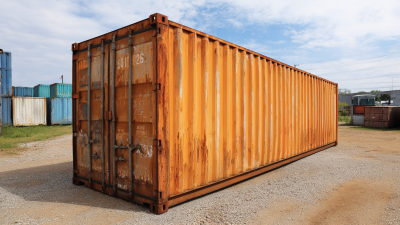
When transforming a 20 ft shipping container, safety considerations are paramount. Check for structural integrity first. Some containers may have rust or damage. Repair these issues early to avoid bigger problems later.
Always follow local building codes and regulations. Containers may require permits for conversion. Contact your local authorities to ensure compliance. Ignoring this can lead to fines or the need to reverse your project.
Tip: Use non-toxic materials for insulation. This avoids toxic fumes and promotes a healthier space.
Ventilation is crucial. Install windows or vents to ensure airflow. Poor air quality can lead to health issues.
Tip: Think about natural lighting. Adding windows brightens up the space. Dark areas can feel claustrophobic and uninviting.
Remember that the foundation matters. If on uneven ground, the container can shift. This could compromise your project’s safety. Reflect on these aspects early to set up for success.