


10 Wall Cladding Tips for Global Buyers
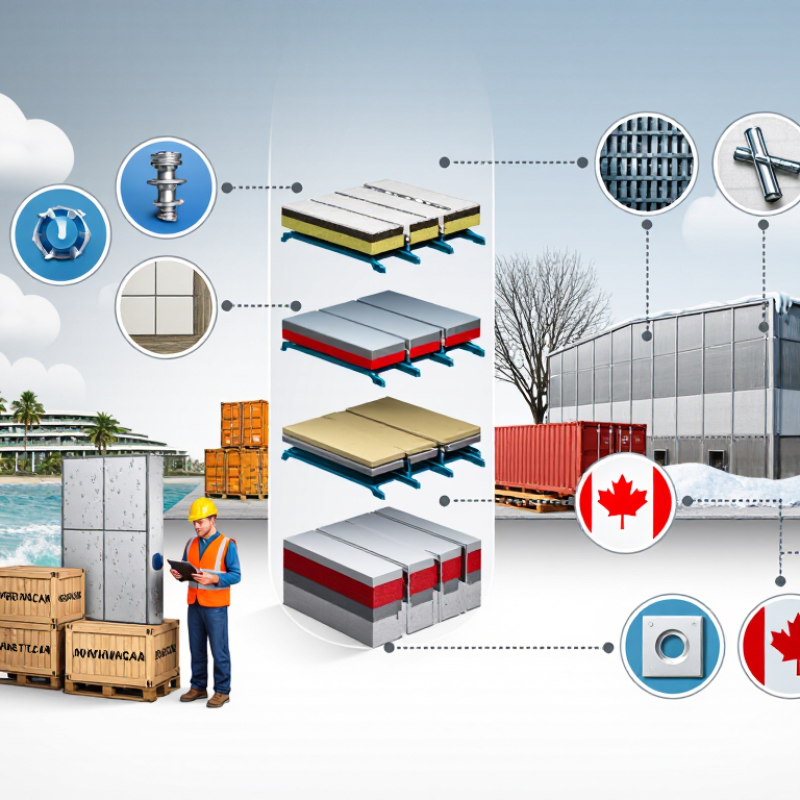
Buying Wall Cladding across borders requires more than comparing colors, prices, and product brochures. A coastal hotel in Singapore faces salt, humidity, and driving rain. A warehouse in Canada faces freeze-thaw cycles, snow loads, and sudden temperature changes. The same panel can perform differently when the wall assembly, fasteners, insulation, and installation quality change.
Building-science expert Joseph Lstiburek has stated, “A building enclosure is a system, not a collection of components.” That principle should guide every global purchasing decision. Wall Cladding must work with the complete building envelope, not merely cover its surface. Buyers should examine drainage paths, ventilation gaps, fire performance, thermal movement, moisture resistance, and maintenance access. Product data matters. Installation evidence matters more.
This guide presents ten practical tips for international buyers. It considers technical specifications, climate exposure, testing documents, supplier experience, warranty language, logistics, and long-term repair needs. A strong supplier should explain how the cladding performs in real projects, not only in a polished showroom.
Details can be unforgiving.
A small error in joint spacing may allow water behind the system. An unsuitable fastener may stain the facade or corrode prematurely. A delayed shipment can also disrupt an entire construction schedule. These risks are easy to underestimate, especially when purchasing from a distant market. No checklist is flawless. Buyers may still overlook local installation conditions or future replacement costs. Careful questioning, sample review, independent verification, and a realistic site assessment can reduce those gaps. The right Wall Cladding choice is not always the cheapest option. It is the one that remains dependable after years of weather, use, and maintenance.
Understanding Wall Cladding Types and Their Global Applications
10 Wall Cladding Tips for Global Buyers
Understanding Wall Cladding Types and Their Global Applications
Wall cladding protects buildings and shapes their visual identity. The right system depends on climate, structure, maintenance access, and local installation skills. Fiber cement suits many commercial façades because it is stable, lightweight, and available in varied textures. Metal panels work well for modern buildings, but coastal air can accelerate corrosion without suitable coatings. Terracotta offers strong color retention and a warm appearance. It may require careful handling during transport.
Moisture changes everything. In humid regions, use a ventilated rainscreen with clear drainage paths behind the outer layer. In cold areas, check freeze-thaw resistance and thermal movement. Stone cladding creates a durable, substantial façade, yet its weight can increase structural and transport demands. High-pressure laminate panels may reduce dead load, though edge sealing and impact resistance deserve close inspection. Always confirm reaction-to-fire classifications, wind-load performance, and fixing compatibility with qualified local professionals.
Global buyers should compare the full service life, not only the purchase price. Ask for technical data, test methods, installation drawings, and maintenance instructions. Check whether replacement panels can be sourced five or ten years later. Small details matter. A beautiful surface can fail when joints collect water or installers lack practical training. I have seen projects over-specify appearance and under-specify drainage. That choice deserves reconsideration. Regional codes, labor conditions, and weather records should influence every final selection.
Evaluating Climate, Building Codes, and Installation Requirements
10 Wall Cladding Tips for Global Buyers
Climate should guide the specification, not product appearance. The IPCC reports more frequent extreme heat and intense rainfall in many regions. Check temperature ranges, wind exposure, humidity, freeze-thaw cycles, and coastal salt before selecting cladding. A coastal façade may need corrosion-resistant fixings and sealed joints. A cold project needs drainage behind the panels and room for thermal movement. Small gaps matter.
Building codes vary by location and occupancy. Verify fire reaction, wind resistance, impact performance, water penetration, and thermal requirements with the local authority. The International Energy Agency reports that buildings consume about 30% of global final energy. Insulation continuity and airtight detailing can therefore affect both compliance and operating costs. Request full test reports, not isolated laboratory figures. Confirm the tested assembly matches the proposed substrate, joints, fasteners, and cavity depth.
Installation requirements deserve equal attention. Review access equipment, panel tolerances, cutting methods, storage conditions, and installer training before purchase. ASTM E331-style water tests, EN 13501-1 fire classifications, or equivalent local methods may support evaluation, but they do not replace jurisdictional approval. Field experience shows that many failures begin with rushed interfaces around windows and parapets. A perfect panel cannot correct poor flashing. Leave movement joints where engineering calculations require them. Recheck assumptions when the site differs from the drawings; that uncomfortable step often prevents expensive repairs.
Comparing Materials, Performance, Costs, and Long-Term Maintenance
10 Wall Cladding Tips for Global Buyers
Material choice should follow climate, labor skills, and replacement access. The International Energy Agency reported that buildings used about 30% of global final energy in 2022. Poorly detailed cladding can increase cooling loads through thermal bridging. Fiber-cement panels offer stable dimensions and moderate upkeep. Metal systems install quickly, but coastal salt can accelerate corrosion. Terracotta handles ultraviolet exposure well, though its weight demands stronger support. Stone appears durable, yet transport and anchoring can raise embodied carbon and installation costs. Compare thermal resistance, fire performance, impact strength, and local code approval before comparing prices.
Look beyond the purchase invoice. RICS Whole Life Carbon Assessment for the Built Environment, 2nd edition, recommends evaluating product, construction, use, replacement, and end-of-life stages. Ask suppliers for environmental product declarations, warranty limits, cleaning instructions, and repair procedures. Calculate five-year and twenty-year costs separately. A cheaper panel may require specialist fasteners or frequent washing. That difference becomes visible after the first rainy season. I once underestimated access equipment costs on a tall façade. The tender looked attractive, but maintenance planning was weak.
Moisture control deserves special attention. Confirm drainage cavities, flashing details, joint movement, and fire barriers. Check whether local contractors can replace one damaged panel without dismantling a full elevation. Use accelerated weathering data carefully; laboratory exposure does not perfectly represent monsoon rain, desert dust, or freeze-thaw cycles. The IEA also emphasizes efficiency improvements across the building envelope. Still, thicker insulation alone cannot fix poor detailing. Request project references in similar climates, inspect completed façades, and record assumptions in the contract. Avoid vague promises. Performance depends on installation.
10 Wall Cladding Tips for Global Buyers
Comparing materials, performance, costs, and long-term maintenance
Indicative global market averages are shown for typical installed cost and expected service life. Actual values vary by country, building height, labor rates, substrate condition, climate, fire regulations, and detailing quality.
- Compare total installed cost, not material price alone.
- Confirm the expected service life for the specific climate.
- Check resistance to moisture, freeze-thaw cycles, wind, and impact.
- Review fire-performance classifications and local code requirements.
- Evaluate insulation, thermal bridging, and ventilation requirements.
- Ask for compatible fasteners, membranes, flashings, and accessories.
- Estimate cleaning, repainting, sealing, and replacement costs.
- Verify local availability of replacement panels and repair materials.
- Request installation guidance and warranty conditions before purchase.
- Use lifecycle cost analysis when comparing low-cost and premium systems.
Checking Suppliers, Certifications, Samples, and Quality Standards
10 Wall Cladding Tips for Global Buyers
Supplier checks should begin before price negotiations. Request a registered company address, factory photos, production capacity, and recent project references. Contact references independently. A polished website proves very little. Ask how the supplier controls thickness, coating adhesion, color variation, and packing damage. Video inspections can help, but they cannot replace an onsite audit.
Tip 1: Verify every certification with the issuing body.
Check the certificate number, expiry date, tested product, and applicable standard. A certificate for one panel type may not cover another. Confirm fire, weathering, moisture, and structural performance where required. Requirements vary by destination, so consult a qualified local professional before ordering. Small details matter.
Tip 2: Order samples from the actual production line.
Compare surface texture, dimensions, edges, fixing holes, and protective film. Keep an approved sample for future batch checks. Test a sample after heat, water exposure, and cleaning if the installation demands it. I have learned that attractive samples can hide inconsistent batches. This is easy to overlook. Ask for a written quality plan, inspection records, and a clear remedy for rejected goods. Independent pre-shipment inspection adds confidence, although it increases cost and may still miss long-term performance problems. Include tolerances, packaging requirements, labeling, and testing standards in the purchase contract.
Planning Shipping, Installation, Inspection, and Ongoing Care
International wall cladding projects succeed when logistics receive the same attention as design. Confirm panel quantities, dimensions, finishes, and approved drawings before production. Ask for moisture protection inside the crates, corner guards, and clear packing lists. Shipping damage often begins with movement inside poorly secured packaging. Check the delivery route, port requirements, insurance terms, and unloading equipment before dispatch.
Measure twice. On site, inspect every crate before installation and photograph dents, broken edges, missing parts, and label numbers. Record findings immediately. Do not install questionable panels, even when the schedule feels tight. A small mismatch can spread across an entire elevation. The substrate must be dry, flat, clean, and strong enough for the specified fixing system. Follow the engineer’s details for joints, ventilation cavities, fasteners, and movement allowances. Local temperature changes matter, especially on large façades.
Installation teams should keep a panel layout map and confirm alignment after each section. That practice may seem slow, but it reduces expensive corrections. I have seen projects lose time because installers trusted visual checks alone. A straightedge and calibrated level would have exposed the problem earlier. After installation, inspect joints, sealant lines, drainage paths, and exposed fixings under clear daylight. Keep spare panels from the same production batch when possible. For ongoing care, use soft brushes, clean water, and approved mild cleaners. Avoid abrasive pads and untested chemicals. Schedule inspections after severe weather, then record cleaning dates, repairs, and changing site conditions. Some maintenance plans look complete but ignore access equipment, which makes them difficult to follow.