


Why Buy Second Hand Shipping Containers?
Why buy second hand shipping containers when new units seem cleaner and easier to specify? The answer often begins with practical value. Used containers can reduce purchase costs, shorten project timelines, and provide strong steel storage for farms, workshops, retailers, and construction sites. Their weather-resistant design is already proven through demanding transport conditions. That history can reveal more than a sales brochure.
Condition matters greatly. A careful buyer checks the doors, corner castings, roof, floor, hinges, and locking bars. Look for rust around seams, soft plywood, water stains, and previous repairs. A container with faded paint may remain structurally sound. Another with fresh paint may conceal damage. This is where an experienced inspector or reputable supplier adds real value. Request clear photographs, inspection records, dimensions, and delivery details before paying a deposit.
They are not automatically a bargain. Transport, lifting equipment, site preparation, insulation, ventilation, and local permits can change the final cost. Planning and fire-safety requirements also vary by location and intended use. Some older units need repairs before conversion. That is not a failure, but it should be priced honestly. Second hand shipping containers work best when their former life, present condition, and future purpose are assessed together. A thoughtful comparison can turn a weathered steel box into a dependable asset, though rushed decisions may create expensive surprises.
What Are Second-Hand Shipping Containers?
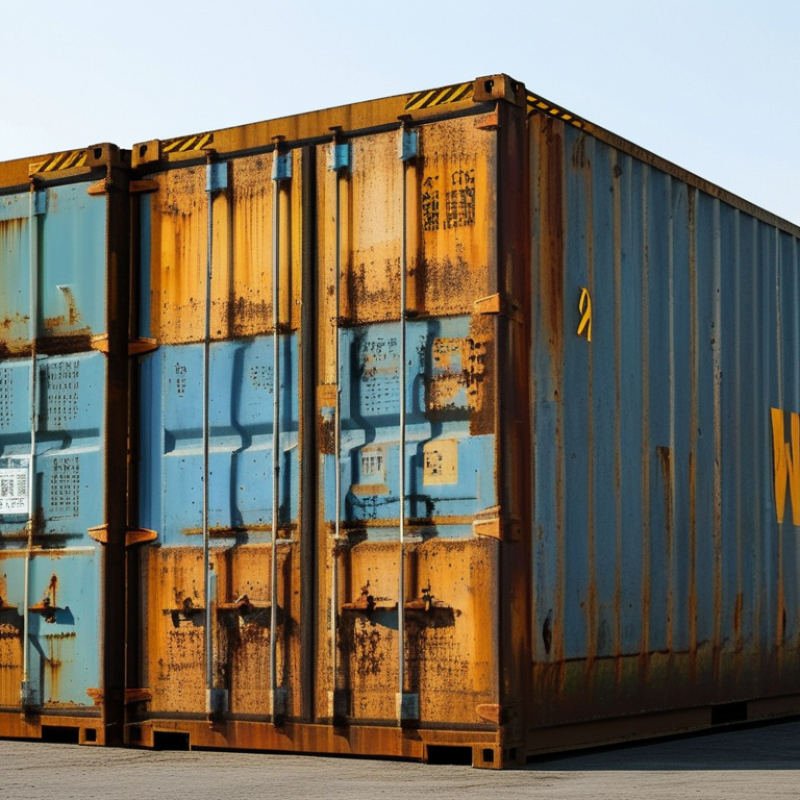
Second-hand shipping containers are steel cargo boxes that have already travelled through commercial transport networks. They usually come in standard lengths, such as 20 or 40 feet. Their previous service may include carrying packaged goods, machinery, or other approved cargo. Used does not mean useless. It means the container has a history.
A suitable unit should be inspected carefully before purchase. I look for holes, heavy corrosion, bent corner posts, and doors that fail to seal. The floor should feel firm underfoot, without soft or damaged areas. Small details matter. A clean interior, working door gaskets, and readable identification plates can indicate responsible maintenance. However, appearance alone is not proof of condition.
Many sellers describe units as cargo-worthy, wind-and-watertight, or suitable for storage. These terms should be supported by inspection records and clear photographs. Requirements can also vary by location and intended use, especially when modifications are planned. A container for garden tools may need fewer repairs than one converted into a workspace. That difference is easy to underestimate. I have seen buyers focus on paint color while missing a leaking roof seam. Second-hand containers are practical, but they are not perfect. Their dents, repaired patches, and uneven floors should be assessed honestly before committing.
| Data Dimension | 20-Foot Standard | 40-Foot Standard | 40-Foot High Cube | Why It Matters When Buying Second Hand |
|---|---|---|---|---|
| Common Use | General cargo, storage, workshops and small site offices | General cargo, warehousing and larger storage projects | Bulky cargo, equipment, workshops and projects requiring extra height | Choose a size that matches the available site space, access route and intended load. |
| Approximate External Dimensions | 6.06 m L × 2.44 m W × 2.59 m H | 12.19 m L × 2.44 m W × 2.59 m H | 12.19 m L × 2.44 m W × 2.90 m H | Allow additional clearance for delivery, lifting equipment, doors and ventilation. |
| Approximate Internal Dimensions | 5.90 m L × 2.35 m W × 2.39 m H | 12.03 m L × 2.35 m W × 2.39 m H | 12.03 m L × 2.35 m W × 2.70 m H | Internal dimensions vary slightly by manufacturer, construction method and repairs. |
| Approximate Internal Volume | 33.2 m³ | 67.7 m³ | 76.3 m³ | High-cube units provide approximately 13% more internal volume than standard-height 40-foot units. |
| Typical Tare Weight | Approximately 2.2–2.4 tonnes | Approximately 3.7–4.0 tonnes | Approximately 3.8–4.2 tonnes | Confirm the exact tare weight on the container safety plate before calculating transport or payload requirements. |
| Maximum Gross Weight | Commonly up to 30.48 tonnes under ISO specifications, subject to the unit’s rating and local transport regulations | The legally permitted road weight may be lower than the container’s maximum rated gross weight. | ||
| Typical Remaining Service Life | Often 8–20 years for storage use after suitable inspection and maintenance | Often 8–20 years for storage use after suitable inspection and maintenance | Often 8–20 years for storage use after suitable inspection and maintenance | Actual life depends on corrosion, handling history, climate, repairs, paint condition and future maintenance. |
| Purchase Cost Compared with New | Usually lower than a new unit; the saving varies by location, condition, age, availability and delivery distance | Second-hand units can reduce the initial purchase cost, but transport, modifications, foundations and repairs should be included in the total budget. | ||
| Common Condition Categories | Cargo-worthy, wind-and-watertight, storage-grade, refurbished or damaged/as-is | Condition labels are not always standardized. Request inspection photos, repair records and a physical inspection where possible. | ||
| Floor Construction | Typically marine-grade plywood over steel cross members | Check for soft spots, delamination, chemical contamination, missing boards and excessive moisture before purchase. | ||
| Door and Seal Inspection | Inspect locking bars, hinges, door alignment, rubber gaskets and frame condition | Damaged seals or misaligned doors can cause water ingress and increase refurbishment costs. | ||
| Corrosion Check | Pay particular attention to the roof, corner posts, bottom rails, door frame and underside | Surface rust may be repairable, while perforation, severe pitting or structural distortion may require specialist assessment. | ||
| Weather Resistance | A sound, properly maintained unit should resist normal rain and wind exposure | Second-hand containers should be tested for light penetration and water leaks before being used for valuable goods. | ||
| Main Advantages | Lower upfront cost, rapid availability, strong steel construction and flexible reuse | They can be adapted for storage, workshops, farm buildings, temporary facilities and construction-site applications. | ||
| Main Limitations | Possible dents, rust, worn floors, previous cargo odors, non-standard repairs and uncertain history | Budget for delivery, crane or offloading equipment, site preparation, ventilation, insulation and any required modifications. | ||
| Best Buying Checklist | Verify dimensions, tare weight, condition, door operation, floor integrity, roof condition and structural markings | Confirm ownership documents, delivery access, local planning requirements and whether the unit is suitable for its intended use. | ||
Related Posts
-
Top 10 Benefits of Buying Second Hand Shipping Containers?
-
How to Choose the Right Shipping Containers for Your Needs?
-
How to Find Free Shipping Containers for Your Business Needs?
-
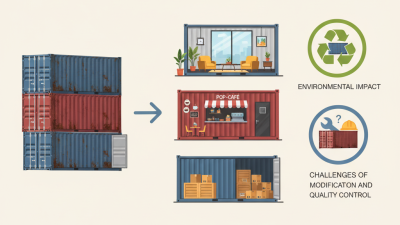
What is the Purpose of Second Hand Shipping Containers?
-
Unlocking Savings: The Ultimate Guide to Discount Shipping Containers for Your Next Project
-
10 Best Shipping Containers for Your Storage and Shipping Needs in 2023