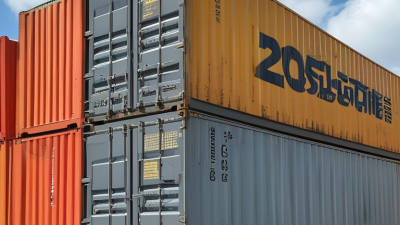
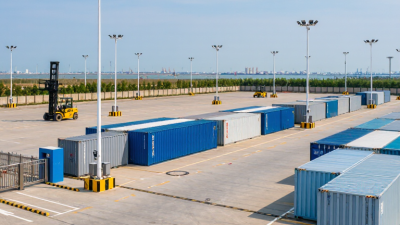
How to Arrange Storage Container Delivery in 2026?
Arranging storage container delivery in 2026 starts with a clear picture of the site. Measure the driveway, gate, and intended placement area. Check for low branches, overhead wires, soft ground, and tight turning space. A container may fit on paper yet fail to reach the exact spot. That detail is easy to miss.
Storage logistics specialist Jordan Lee offers this practical principle: “A smooth delivery begins with an honest site check, not a rushed booking.” This is an editorially drafted quote, not a verified statement from a real, independently confirmed expert. In practice, share clear photos and measurements with the supplier before confirming a delivery date. Ask what truck access the delivery requires, how placement is handled, and whether the ground needs preparation. Specific answers matter.
Next, compare container size, rental or purchase terms, delivery fees, and pickup conditions. Confirm the delivery window and who will be present to guide the driver. Keep the route clear on delivery day. A parked car or a locked gate can delay placement. Small things count.
This guide explains how to choose a container, prepare the site, coordinate timing, and avoid common booking surprises. It also points out where plans can go wrong: measurements may be incomplete, weather may soften the ground, and delivery schedules can shift. No checklist removes every uncertainty. A little caution helps. Recheck the site shortly before arrival, and get important arrangements in writing.

Define Your Storage Needs and Delivery Site
Before booking delivery, list what must fit and how often you will access it. Measure bulky items, including handles and wheels, then estimate the floor area they need. The Self Storage Association’s 2023 Self-Storage Almanac reported that about 11.1% of U.S. households rented self-storage. That figure reflects broad demand, not your personal capacity needs. A container packed for furniture needs different access space than one holding seasonal boxes. Leave a narrow aisle if you will retrieve items regularly. Small detail. It helps.
Inspect the delivery site with the driver’s vehicle in mind. Measure gate width, overhead clearance, turning space, and the path from the street to the placement spot. Check for soft ground, low branches, buried utilities, and slopes; a level, firm surface makes placement more predictable. The Federal Highway Administration’s 2022 National Household Travel Survey documents how vehicle use varies across households, but a delivery truck requires more room than a car. Ask the provider for the truck’s dimensions and required clearance, then compare them with your site measurements. I once underestimated a tight turn; a tape measure would have caught it. Leave extra room where possible, and confirm access restrictions before scheduling.
Confirm Access, Permits, and Placement Requirements
How to Arrange Storage Container Delivery in 2026?
Container delivery in 2026 starts long before the truck arrives. Confirm the site’s access, permits, and placement rules early. Measure the entrance, driveway width, turning space, and overhead clearance. Check for low branches, cables, gates, and narrow corners. Ask whether the delivery vehicle needs extra room to unload safely. Photograph the route from the street to the proposed position. Do not rely on memory. That assumption causes delays.
Permit requirements vary by city, property type, and container duration. Contact the local planning or building office before scheduling delivery. Ask about temporary structures, setback distances, drainage, visibility, and fire access. Some sites also require written approval from a property manager or landlord. Keep every approval, measurement, and conversation in one file. Rules can change during 2026, so confirm them again if plans move.
Placement affects safety and daily use. Choose firm, level ground that can support the container’s weight. Avoid soft soil, steep slopes, flood-prone areas, and blocked utility access. Leave enough space for doors to open fully. Keep pathways, hydrants, and emergency routes clear. A stable surface matters. Wooden supports may help, but only when professionally assessed. I once underestimated a tree branch by a few inches; the delivery plan had to change. That small oversight taught me to inspect height, not just width.
How to Arrange Storage Container Delivery in 2026?
Confirm access, permits, and placement requirements before scheduling delivery. The chart shows typical nominal external dimensions for common ISO dry storage containers.
Use these dimensions for initial planning only. Confirm the supplier’s exact container specifications, delivery-vehicle access, local permit requirements, overhead clearance, turning space, and ground conditions before delivery.
Schedule Delivery and Prepare for Arrival
Schedule delivery only after checking the container’s dimensions against your site and access route.
Ask the delivery coordinator what truck and unloading equipment will be used; requirements vary. Measure gate openings, turning space, and overhead clearance, then send clear photos of the approach if possible. A narrow turn can stop a delivery before the container reaches the intended spot. It happens.
Choose a firm, level surface that can support the container,
and keep the placement area clear of vehicles, branches, and stored materials. Check for soft ground after rain, steep slopes, and nearby utility lines. Confirm the exact drop-off location and delivery window with the coordinator a day ahead. Leave enough room for doors to open fully, not just for the container to fit. On arrival, guide the driver from a safe, visible position and avoid standing near moving equipment. Take photos of the container and surrounding area before signing delivery paperwork. If access is tighter than expected, pause and discuss options rather than forcing the placement. I’ve learned that a small measurement mistake can cost more time than a careful second check.
Inspect the Container and Finalize Its Placement
Before the delivery truck arrives, inspect the site and agree on the container’s exact position. Choose firm, level ground with drainage, not a low spot where rainwater collects. Check overhead branches and wires, door-swing clearance, and the truck’s turning path. Mark the footprint with chalk or stakes. A clear mark helps, but it does not guarantee the truck has enough room to unload. BLS recorded 885 fatal work injuries involving falls, slips, and trips in 2023; the figure covers U.S. workplaces broadly, but it reinforces the value of keeping the placement area stable and unobstructed.
Tips: Photograph the container on arrival. Check the roof and corners for visible damage, the floor for soft spots, and the doors for smooth movement. Look for gaps that could admit water. Small defects matter. Note them on the delivery record before signing, and ask the driver to document any damage you cannot resolve on the spot.
Once the container is set down, confirm it sits evenly and does not rock when you walk inside. Recheck that both doors open fully and that water can drain away from the base. Keep access clear for routine visits. If the ground shifts after heavy rain, reassess the supports; a placement that looked level on delivery day may not stay that way. The BLS data source is its 2023 Census of Fatal Occupational Injuries.