How to Buy 2nd Hand Shipping Containers in 2026?
Buying 2nd hand shipping containers in 2026 requires more than comparing online prices. A low-cost unit may hide corrosion, damaged doors, poor flooring, or expensive transport requirements. The container sitting in a nearby depot can be a better choice than a cheaper unit located hundreds of miles away.
Christian Roeloffs, CEO of Container xChange, offers a practical industry reminder: “Availability is local, and condition matters more than a low headline price.” This principle should guide every purchase. Ask for recent photographs, inspection records, the container’s manufacturing year, and its last known use. Check the roof for pinholes. Open both doors. Look closely at the corner castings and floorboards. Small defects can become serious costs after delivery.
The right buying process also depends on your intended use. A weather-resistant storage container may meet simple site needs, while an export-ready unit requires stricter inspection. Confirm dimensions, door operation, floor condition, ventilation, and delivery access before paying a deposit. Your local requirements may also affect placement, modification, and transport.
Do not trust every “one-trip” claim.
This guide explains how to compare sellers, evaluate container grades, estimate hidden costs, and arrange safer delivery in 2026. It also examines a difficult truth: used containers are practical, but none are automatically perfect. A careful buyer accepts visible wear, documents every concern, and leaves room for professional inspection. That small pause may protect your budget, schedule, and long-term investment.
Define Your Shipping Container Requirements and Budget
Before searching for a used shipping container in 2026, define its job, location, and service life. A dry container for warehouse storage needs different specifications from one used for frequent transport. Record the required length, internal height, door position, ventilation, flooring condition, and maximum loading weight. A 20-foot unit suits limited access, while a 40-foot high-cube offers more volume but needs greater clearance. Measure the delivery route, not only the installation site.
Set a complete budget, not just a purchase price. Include inspection, transport, crane hire, ground preparation, taxes, repainting, lock protection, and possible floor repairs. UNCTAD’s Review of Maritime Transport 2024 reported an 8.6% increase in global container-ship capacity during 2023. That growth can improve equipment availability, but local prices still vary sharply by depot, age, and demand. Leave at least 15% for unexpected work. It may be insufficient in remote areas.
Ask for the container’s manufacturing year, identification number, repair history, and current photographs. Inspect roof seams, corner castings, door gaskets, cross-members, and the underside. A valid CSC safety plate matters when the unit will continue in international transport. For stationary storage, structural condition remains important, even without ocean movement. The Container xChange 2024 market analysis also highlights regional price differences, so compare delivered quotes rather than advertised prices. Cheap can become expensive quickly.
Find Reliable Sellers and Compare Used Container Listings
Buying a used shipping container in 2026 starts with evidence, not attractive photographs. UNCTAD’s Review of Maritime Transport 2024 reported an 8.6% increase in the global container-ship fleet during 2023. More equipment can improve availability, but it also creates uneven used inventory. Compare listings by age, size, CSC plate status, floor condition, door operation, and delivery distance. Ask sellers for current photos, inspection dates, serial details, and repair records. A low price means little if transport costs double the final bill.
Tips:
Build a simple comparison sheet. Record the quoted price, tax, delivery, lifting requirements, and expected repairs. Ask whether the container is wind-and-watertight, not merely “cargo worthy.” Request a written condition grade. Visit the depot when possible, and test both door seals yourself. Small details matter, such as rust beneath the floor cross-members or daylight around a door gasket.
The World Bank’s Logistics Performance Index 2023 covered 139 economies and surveyed 4,090 logistics professionals. Its focus on tracking, reliability, and timeliness applies directly to container purchases. Choose sellers who provide verifiable depot addresses, consistent paperwork, and clear delivery windows. Payment terms should identify responsibility for damage during loading and transport. I still would not trust a perfect listing without an inspection. Paint can hide corrosion. A clean interior can conceal a damaged frame. Leave room for doubt, because used equipment rarely matches its description completely.
Inspect the Container’s Condition, Grade, and Certification
Buying a second-hand shipping container in 2026 requires more than checking its price. Its condition, grade, and certification determine its real value.
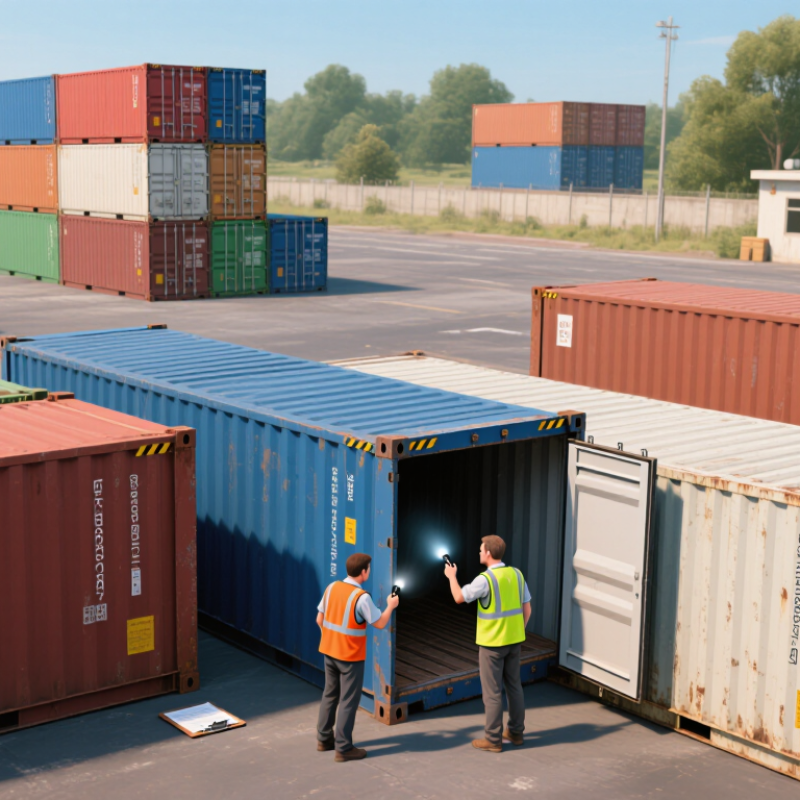
Inspect it in daylight. Look for deep rust, dents, roof repairs, and bent corner posts. Open both doors fully. They should move smoothly and close without force. Check the rubber seals for cracks. A thin beam of light can reveal gaps. Smell the interior carefully. Strong chemical or damp odors deserve questions. Walk across the floor and watch for soft areas, broken boards, or uneven movement. Minor scratches are usually manageable. Structural damage is not.
Ask for the container’s grade in writing. “Cargo-worthy” usually indicates stronger structural condition, while “wind and watertight” may suit basic storage. Seller descriptions can vary. Do not rely on the label alone. Check the identification plate, inspection date, maximum gross weight, and safety markings. For transport use, confirm that the required certification remains valid for your intended route and carrier. A missing or unreadable plate is a warning sign. Verify the container number against the paperwork. Small mismatches matter. I have seen buyers focus on fresh paint and overlook a repaired roof. That is an expensive mistake. No inspection is perfect, so photograph every defect and request repair terms before payment.
How to Buy 2nd Hand Shipping Containers in 2026?
Before purchasing, compare the container’s actual dimensions with its ISO identification plate, inspect the floor, doors, roof, corner posts, and side rails, and check that the CSC safety approval plate is present and valid. The dimensions shown are typical internal dimensions for common ISO dry containers; actual measurements may vary slightly by design and manufacturer.
Reference framework: ISO 668 container classification and the International Convention for Safe Containers (CSC).
Finalize the Purchase, Payment, and Delivery Arrangements
Before paying for a second-hand shipping container, confirm its condition, age, dimensions, and inspection status in writing. Ask for recent photographs, CSC plate details, door-seal images, and a repair list. Photos can mislead. A physical inspection remains safer. The International Organization for Standardization sets container dimensions under ISO 668, so check external and internal measurements against your site plan. Request a formal quotation showing the container price, inspection fee, taxes, transport, unloading, and any storage charges.
Tips:
Use a staged payment schedule. A small deposit can reserve the unit, while the balance follows inspection and dispatch confirmation. Verify the seller’s bank details through an independent channel. Keep invoices, inspection records, and signed acceptance documents together. The World Bank’s 2023 Logistics Performance Index identifies tracking and timeliness as major supply-chain reliability factors. Therefore, require a tracking reference, loading date, expected arrival window, and named delivery contact. Get it in writing.
Delivery planning deserves equal attention. UNCTAD’s Review of Maritime Transport 2024 estimated containerized trade growth of about 3.5% in 2024, increasing pressure on equipment availability and transport capacity. Confirm whether delivery includes a trailer, crane, permits, and site placement. Measure access roads, turning space, overhead cables, and ground strength before dispatch. The imperfect part is accepting that arrival dates can change. Weather, port congestion, and equipment shortages interfere. Add a realistic buffer, and record any visible damage before the driver leaves.