What Are the Top 10 Shipping Container Sizes in China?
Choosing the right shipping container in China begins with more than a length on a product page. Buyers compare capacity, door openings, payload, and the space available at the destination. A 20-foot unit may suit a compact shipment, while a 40-foot model can carry more goods without doubling the floor space. High-cube versions add interior height for taller cargo. Small details matter.
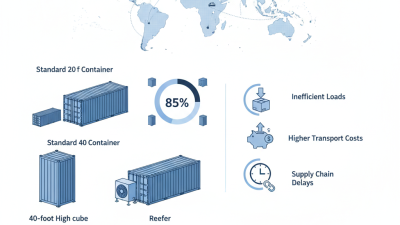
This guide explores ten commonly offered shipping containers sizes in the Chinese market, from 10-foot and 20-foot units to 40-foot high cubes and selected specialty formats. Exact dimensions can differ by manufacturer, age, and container standard, so treat listed measurements as a starting point, not a guarantee. External length is not usable interior length. Door frames and wall thickness reduce the clear space.
For a practical comparison, check the container’s stated internal dimensions, maximum payload, and tare weight with the supplier. Ask for a current specification sheet, and confirm whether the unit is new or used. That step can prevent a costly mismatch with a loading bay or transport plan. Still, paper measurements do not tell the whole story. A quick site measurement is often wiser, though it is easy to overlook when schedules feel tight. These options offer a useful shortlist, not a universal ranking; the best size depends on the cargo and how it will be handled.
Establish ISO 668 Benchmarks: 20ft = 1 TEU and 40ft = 2 TEU
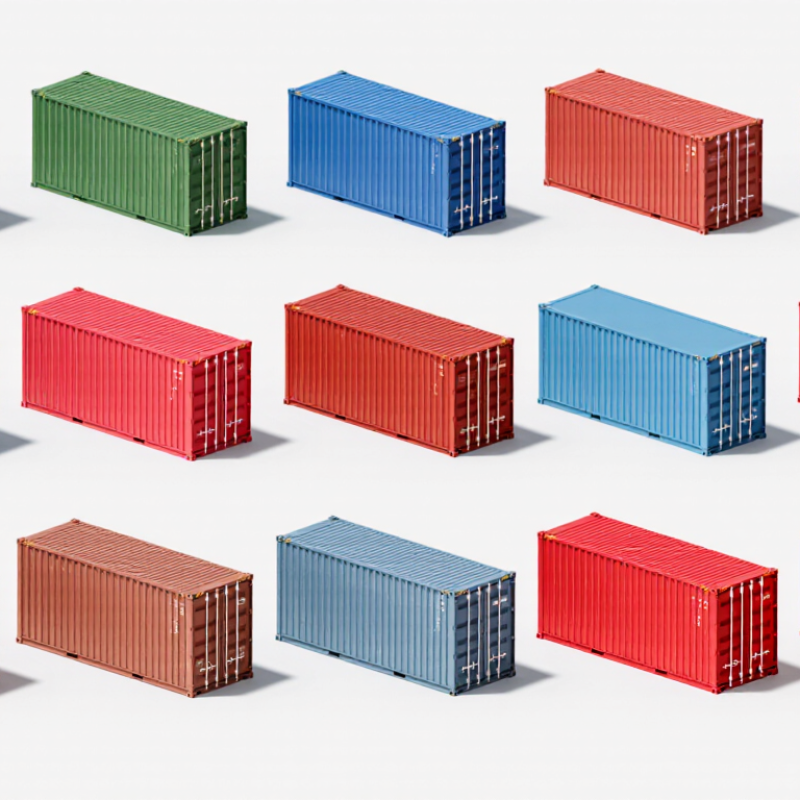
For comparing shipping container sizes in China, start with the ISO 668 benchmark: a standard 20-foot container equals one TEU, or twenty-foot equivalent unit. A standard 40-foot container counts as two TEU. That is the baseline.
TEU measures capacity in a standardised length unit; it does not promise that a 40-foot container holds exactly twice the cargo by volume or weight.
On a terminal plan, the difference is easy to picture: one 20-foot box occupies roughly half the length of a 40-foot box. Common options also include high-cube versions, which provide extra interior height, and refrigerated or open-top types with different layouts. Their TEU count generally follows their length, but equipment specifications still matter.
ISO 668 sets dimensional benchmarks, while actual internal measurements can vary by design and construction.
Check both outside dimensions and payload before choosing a size. A high-cube 40-foot unit may offer more usable space, yet cargo weight limits can prevent filling it completely. Not a perfect shortcut. TEU is useful for comparing vessel capacity and planning space, but it cannot replace a container’s data plate or verified specifications.
In practice, measure the cargo, include packaging, and allow room for loading. That small check can prevent a costly mismatch.
Compare Dry Box Lengths: 10ft, 20ft (6.058 m), 40ft (12.192 m), and 45ft
ISO 668:2020 gives dry-container nominal lengths of about 2.991 m for 10ft, 6.058 m for 20ft, 12.192 m for 40ft, and 13.716 m for 45ft. These are external dimensions, not usable cargo lengths. That difference matters when a pallet must pass through the doors. A 10ft box suits compact loads or tight sites, but check its payload and handling arrangements; it is not simply half a 20ft container.
The 20ft unit remains the practical comparison point. UNCTAD’s Review of Maritime Transport 2024 reports global container-port throughput of 858.9 million TEU in 2023; one TEU represents a 20ft-equivalent unit. A 40ft box offers roughly twice the floor length, while a 45ft box adds about 1.524 m over a 40ft model. More length does not always mean better loading: cargo weight, door clearance, and forklift access can limit what fits.
For procurement in China, compare the exact model’s internal dimensions, door opening, tare weight, and maximum payload on its specification sheet. ISO dimensions provide a solid baseline, but insulation, flooring, and construction tolerances can reduce usable space. I would not estimate a tight fit from nominal length alone. Measure the cargo and leave clearance.
What Are the Top 10 Shipping Container Sizes in China? — Dry Box Length Comparison
| Container Size / Type |
Nominal Length |
Approx. External Dimensions (L × W × H) |
Approx. Internal Length |
Approx. Internal Volume |
Typical Use / Notes |
| 10 ft Standard Dry |
10 ft (3.048 m nominal) |
2.991 × 2.438 × 2.591 m |
2.83 m |
About 16 m³ |
Compact storage and short-haul cargo; availability and exact dimensions vary by supplier. |
| 20 ft Standard Dry |
20 ft (6.058 m) |
6.058 × 2.438 × 2.591 m |
About 5.90 m |
About 33 m³ |
Common general-purpose size for dense or heavy cargo. |
| 20 ft High Cube Dry |
20 ft (6.058 m) |
6.058 × 2.438 × 2.896 m |
About 5.90 m |
About 37 m³ |
Taller than a standard-height 20 ft box; availability is less widespread. |
| 20 ft Open-Top Dry |
20 ft (6.058 m) |
About 6.058 × 2.438 × 2.591 m |
About 5.90 m |
About 32–33 m³ |
Dry-cargo container with a removable or convertible roof for top loading; confirm the exact model dimensions. |
| 40 ft Standard Dry |
40 ft (12.192 m) |
12.192 × 2.438 × 2.591 m |
About 12.03 m |
About 67 m³ |
General-purpose option for larger shipments that do not require high-cube height. |
| 40 ft High Cube Dry |
40 ft (12.192 m) |
12.192 × 2.438 × 2.896 m |
About 12.03 m |
About 76 m³ |
Widely used for bulky, lightweight, or high-volume cargo; approximately 1 ft taller externally than a standard-height box. |
| 40 ft High Cube Open-Top |
40 ft (12.192 m) |
About 12.192 × 2.438 × 2.896 m |
About 12.03 m |
About 75–76 m³ |
High-cube dry-cargo format with roof access; internal usable space depends on the roof and door design. |
| 45 ft Standard-Height Dry |
45 ft (13.716 m) |
About 13.716 × 2.438 × 2.591 m |
About 13.55 m |
About 76 m³ |
Less common than 45 ft high-cube equipment; check route, handling, and equipment availability before booking. |
| 45 ft High Cube Dry |
45 ft (13.716 m) |
About 13.716 × 2.438 × 2.896 m |
About 13.55 m |
About 86 m³ |
Long, high-volume dry box; acceptance depends on the vessel, terminal, and inland transport route. |
| 45 ft High Cube Pallet-Wide Dry |
45 ft (13.716 m) |
About 13.716 × 2.50 × 2.896 m |
About 13.55 m |
About 90 m³ |
Wider regional configuration designed to improve pallet loading; not the standard 2.438 m-wide ISO profile, so verify compatibility. |
Dimensions and volumes are approximate reference values for comparison, not guaranteed specifications. Actual internal measurements, door openings, payload limits, and availability vary by container design and operator. Confirm the equipment’s specification sheet and route acceptance before shipment.
Compare Standard and High-Cube Heights: 2.591 m vs. 2.896 m
For container planning in China, the height difference is easy to underestimate. A standard container is 2.591 m high; a high-cube unit is 2.896 m. That extra 305 mm can accommodate taller machinery, stacked cartons, or bulky retail fixtures. ISO 668:2020 specifies the familiar nominal dimensions, but these are external measurements. Interior clearance is lower because of the floor and roof structure. Check the equipment specification before loading.
The choice matters across common lengths, including 20-foot and 40-foot units. A high-cube container can offer useful extra volume, but it may not suit every loading bay, warehouse door, or road route. UNCTAD’s Review of Maritime Transport 2024 reports global container port throughput of 858.9 million TEU in 2023, underscoring the scale of container handling. Still, port volume does not guarantee local equipment availability. Confirm the exact height and type with the carrier or depot.
Tips: Measure the tallest packed item, including pallets and protective wrapping. Leave clearance for safe loading. Ask for the container’s internal height, not just its external class. A small detail, but an easy one to miss.
Review 20ft and 40ft Reefer and Open-Top Models with Payloads That Vary
In China, 20ft and 40ft reefer containers suit temperature-sensitive cargo, but their payload depends on the unit’s tare weight and rated gross mass. A typical 20ft reefer may carry roughly 27,000–27,500 kg; a 40ft model often carries about 29,000–30,000 kg. These are guide figures, not booking guarantees. Check the container’s data plate and shipping documents before loading.
Open-top containers allow cargo to be loaded from above, which helps with tall machinery or bulky materials. A 20ft open-top commonly offers around 28,000 kg of payload, while a 40ft unit may be near 26,000–29,000 kg. Exact limits vary by design and condition. Small details matter. A thick liner, uneven weight distribution, or a different tare can change the usable allowance. I would not treat a size chart as a promise; that tidy table can be misleading. Measure the cargo, confirm its weight, and leave room for safe handling and securing.
Compare 20ft and 40ft Flat-Rack Units by Payload and Route Limits
What Are the Top 10 Shipping Container Sizes in China?
For out-of-gauge cargo, a flat rack’s payload and the route’s limits matter more than its nominal length. A common 20ft unit may allow roughly 28–30 tonnes of payload, while a 40ft unit may allow around 38–40 tonnes. These are indicative ranges, not guarantees. Check the individual unit’s rating plate and carrier specifications.
A 20ft flat rack can suit dense cargo such as a compact machine base. Its shorter deck may also make positioning easier when cargo is heavy and concentrated. A 40ft unit offers more deck length for long equipment, but its higher payload does not automatically make every route workable. Cargo weight, securing materials, and container tare all affect gross weight. That detail is easy to miss.
Route checks can change the choice. A road leg may face axle-weight or overall-dimension limits, while vessel plans can restrict oversized cargo by height, width, or lifting capacity. Measure the cargo, supports, and lashing points—not just the main object. Confirm handling limits at each transfer point. A tidy load plan can still be wrong; actual restrictions vary by route and equipment.
What Are the Top 10 Shipping Container Sizes in China? — 20ft vs 40ft Flat-Rack Units
Representative tare weight and payload figures for two commonly used flat-rack sizes. Specifications vary by unit; check the container’s data plate for its certified limits.
Route limits: Rated payload is not necessarily the payload permitted for an inland journey. The usable load is subject to the truck’s legal gross and axle-weight limits, route restrictions, permits, and any carrier requirements. Confirm these before dispatch.