What Are the 2026 Top Cargo Container Sizes?
Choosing the right cargo container sizes can shape every stage of a shipment, from warehouse loading to final delivery. In 2026, standard 20-foot and 40-foot containers remain widely used for general cargo. Their familiar footprints simplify planning across ports, trucks, and storage yards. Yet demand is changing. Many shippers now compare 40-foot high-cube units for added vertical capacity. That extra height can accommodate bulky cartons, retail fixtures, and lightweight machinery without increasing floor space.
Small differences matter.
This guide examines the top cargo container sizes expected to influence shipping decisions in 2026. It considers internal length, width, height, door openings, usable volume, and practical weight limits. A container may look spacious from outside, but corner posts, wall thickness, and uneven cargo can reduce usable capacity. A pallet that fits on paper may still fail at the door. That is where experience becomes valuable.
The discussion also covers refrigerated containers, open-top designs, and flat racks for specialized cargo. These options solve different problems, but they often involve stricter loading plans and equipment requirements. Exact dimensions can vary by manufacturer, age, and carrier. Check the unit’s specification plate before booking. No single ranking is perfect. The “best” container depends on cargo density, loading equipment, route conditions, and budget. A careful comparison can prevent wasted space, unexpected handling charges, and last-minute changes at the terminal. This overview aims to provide practical, reliable guidance while recognizing that real shipments rarely follow a perfect spreadsheet.
How Cargo Container Sizes Are Measured in 2026
What Are the 2026 Top Cargo Container Sizes?
How Cargo Container Sizes Are Measured in 2026
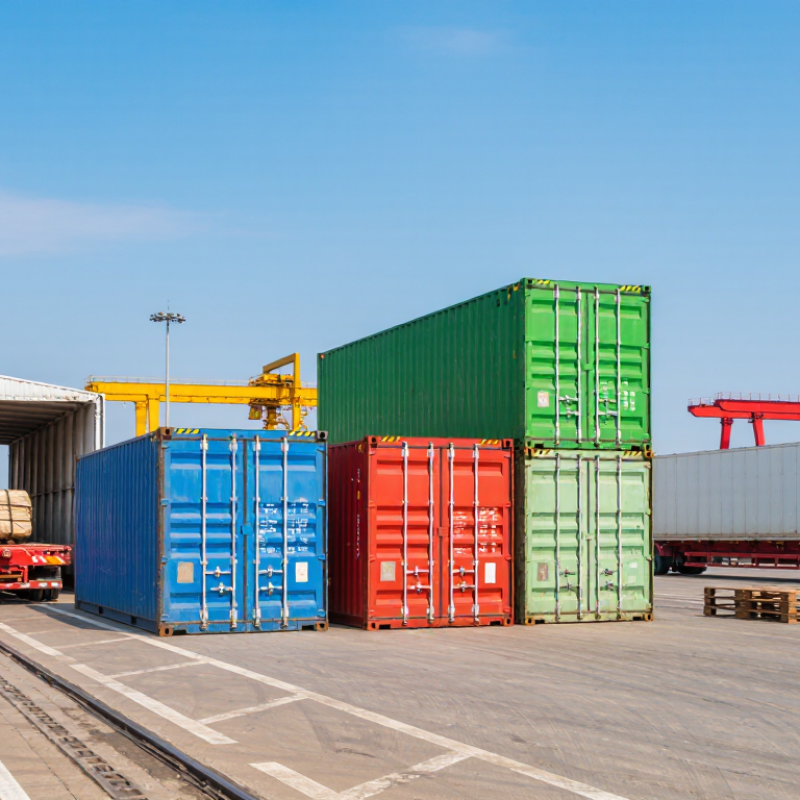
Cargo container sizes are measured by external length, width, and height. The International Organization for Standardization defines these dimensions through ISO 668. Common units remain 20 feet and 40 feet. High-cube versions usually add one foot of height.
A standard 20-foot container measures about 6.06 meters long externally. A 40-foot unit measures about 12.19 meters. Both are approximately 2.44 meters wide. A high-cube container is generally 2.90 meters tall externally, compared with about 2.59 meters for standard height. Internal measurements are smaller because of wall panels, corner posts, and flooring.
The details matter.
A 40-foot high-cube container offers greater internal volume, often around 76 cubic meters. A standard 40-foot unit typically provides about 67 cubic meters. Actual figures vary by construction and equipment. Door openings also reduce usable clearance, especially for tall or rigid cargo.
The twenty-foot equivalent unit, or TEU, is a capacity reference, not a physical measurement of every container. UNCTAD’s Review of Maritime Transport 2024 reported global container ship capacity above 30 million TEU, showing why consistent measurement remains important across ports and shipping systems. ISO 1496 also addresses testing and performance requirements, not just dimensions.
In practical loading checks, measure the cargo and the doorway separately. Do not trust nominal size alone. A few millimeters can matter. Industry tables simplify reality, and that is where mistakes begin.
High-Capacity and Specialized Container Size Options
What Are the 2026 Top Cargo Container Sizes?
High-capacity and specialized containers will remain important in 2026. The 40-foot high-cube container offers extra height for bulky, lightweight cargo. Its added vertical space can reduce wasted volume during loading. A 45-foot high-cube container provides even more capacity, especially for palletized freight. However, route acceptance and terminal handling can vary.
The 20-foot container remains useful for dense cargo, machinery, and smaller shipments. The 40-foot standard container suits general cargo with moderate volume. Refrigerated containers support temperature-sensitive goods, while open-top units handle tall or awkward items. Flat-rack containers are practical for oversized equipment, but securing plans require careful engineering. Internal dimensions differ slightly between container types. Do not rely on nominal length alone.
Tips: Measure every pallet, crate, and access point before booking. Leave space for doors, lashing, ventilation, and safe weight distribution. Check maximum gross weight, local road limits, and terminal restrictions. A high-cube unit may hold more volume but still exceed a vehicle’s legal payload. I have seen capacity estimates fail when packaging was ignored. That mistake is easy to repeat. Review actual loading drawings whenever the cargo has unusual dimensions.
What Are the 2026 Top Cargo Container Sizes? - High-Capacity and Specialized Container Size Options
| Container Type |
Nominal Size |
Typical Internal Dimensions
(L × W × H) |
Approx. Capacity |
Typical Max. Gross Weight |
Typical Payload |
Best Use |
| Standard Dry Container |
20 ft |
5.90 × 2.35 × 2.39 m |
33.2 m³ |
30,480 kg |
About 28,000 kg |
Dense cargo, machinery, packaged goods and general freight |
| Standard Dry Container |
40 ft |
12.03 × 2.35 × 2.39 m |
67.7 m³ |
30,480 kg |
About 26,500–27,000 kg |
General cargo requiring more floor area and volume |
| High-Cube Dry Container |
40 ft High Cube |
12.03 × 2.35 × 2.70 m |
76.4 m³ |
30,480 kg |
About 26,000–26,700 kg |
High-volume or tall cargo; approximately 30 cm more height than a standard 40 ft unit |
| High-Cube Dry Container |
45 ft High Cube |
13.56 × 2.35 × 2.70 m |
About 86.0 m³ |
32,500 kg |
About 28,500–29,000 kg |
Maximum dry-container volume for compatible routes, terminals and chassis |
| Refrigerated Container |
20 ft Reefer |
About 5.45 × 2.29 × 2.26 m |
About 28.0–28.5 m³ |
30,480 kg |
About 27,000 kg |
Temperature-controlled food, pharmaceuticals and other perishables |
| High-Cube Refrigerated Container |
40 ft High-Cube Reefer |
About 11.58 × 2.29 × 2.54 m |
About 67.5–68.0 m³ |
About 34,000 kg |
About 29,000–30,000 kg |
Large temperature-sensitive shipments requiring increased refrigerated volume |
| Open-Top Container |
20 ft Open Top |
About 5.90 × 2.35 × 2.35 m |
About 31.0–32.0 m³ |
30,480 kg |
About 27,500–28,000 kg |
Overheight or top-loaded cargo such as scrap, stone and industrial equipment |
| Open-Top Container |
40 ft Open Top |
About 12.03 × 2.35 × 2.35 m |
About 65.0–66.0 m³ |
30,480 kg |
About 26,000–26,500 kg |
Long, bulky or crane-loaded cargo that cannot be loaded through standard doors |
| Flat Rack Container |
20 ft Flat Rack |
Deck: about 5.60 × 2.20 m |
Not enclosed |
About 30,480 kg |
About 27,000–28,000 kg |
Heavy, wide or oversized machinery and project cargo |
| Flat Rack Container |
40 ft Flat Rack |
Deck: about 12.06 × 2.08 m |
Not enclosed |
About 40,000–50,000 kg |
About 36,000–45,000 kg |
Large industrial equipment, vehicles and out-of-gauge project shipments |
| Platform Container |
20 ft Platform |
Deck: about 6.06 × 2.44 m |
Not enclosed |
About 34,000 kg |
About 30,000 kg |
Extremely wide or heavy cargo supported directly on a reinforced platform |
| Platform Container |
40 ft Platform |
Deck: about 12.19 × 2.44 m |
Not enclosed |
About 40,000–50,000 kg |
About 36,000–45,000 kg |
Oversized construction equipment and complex project cargo |
|
Dimensions, capacities, tare weights and payloads are typical ISO-container specifications. Actual figures vary by container design, age, equipment, structural rating, shipping route and local road or rail limits. The permissible payload is the lower of the container’s rated payload and the applicable transport limit.
|
How to Choose the Right Container Size for Your Cargo
What Are the 2026 Top Cargo Container Sizes?
Choosing the right container starts with the cargo, not the calendar. In 2026, 20-foot, 40-foot, and 40-foot high-cube containers remain common choices. A 20-foot container suits dense cargo, machinery, and smaller shipments. It usually offers better weight control before space becomes an issue. A 40-foot container provides nearly twice the floor length. It works well for cartons, furniture, and palletized goods. The 40-foot high-cube adds extra internal height for tall or stackable cargo. Space is unforgiving.
Measure twice.
My early mistake was checking only the cargo length. Width, height, door clearance, and pallet turning space also matter. A box may fit inside, yet fail at the doors. Record each item’s dimensions, weight, packaging, and stacking limits. Leave room for bracing and safe loading access. Do not plan around the maximum advertised capacity. Usable space is always smaller.
Weight distribution deserves equal attention. Heavy units should sit low and near the container’s center. Uneven loading can create handling problems and damage sensitive goods. For long, light cargo, a 40-foot container may waste volume. A 20-foot option could be more efficient. For tall cargo, measure the packed height, not the product alone. Check terminal, vehicle, and route restrictions before booking. Internal dimensions can vary slightly between container types and manufacturers. I still recheck the specification sheet before approving a load plan. That extra review has prevented expensive changes.
2026 Trends Affecting Global Container Size Selection
What Are the 2026 Top Cargo Container Sizes?
2026 Trends Affecting Global Container Size Selection
The 20-foot container remains practical for dense cargo, machinery, and smaller shipment lots. The 40-foot standard suits most general consumer goods. A 40-foot high-cube container adds about 30 centimeters of internal height, which helps with cartons, furniture, and lightweight packaged products. Forty-five-foot pallet-wide units can improve cube use, but route acceptance remains uneven.
UNCTAD’s Review of Maritime Transport 2024 recorded 8.8% growth in container-ship capacity during 2023. More capacity does not guarantee balanced equipment availability. Empty boxes still gather at some ports while exporters elsewhere face shortages. This imbalance may influence 2026 bookings, especially for high-cube and specialized equipment. Regional trade shifts also matter. Nearshoring can favor 20-foot containers for shorter, frequent moves, while long-distance retail flows often favor 40-foot units.
Emissions pressure is changing the calculation. UNCTAD reports that shipping carries over 80% of global merchandise trade by volume, making space efficiency increasingly important. Consolidating compatible cargo into one high-cube container can reduce handling and container counts. Yet bigger is not always better. Weight limits, axle rules, warehouse doors, and port cranes can erase the expected savings. Measure the actual cargo footprint first. That step is often skipped. My own planning preference would be cautious: compare cube utilization, gross weight, inland access, and repositioning risk before selecting the largest available box.