What Are the Top Sea Container Types in 2026?
Choosing the right sea container in 2026 will depend on cargo, route, climate, and handling equipment. A standard 20-foot dry container remains practical for general goods. Its 40-foot version offers more volume for lighter shipments. High-cube models add valuable internal height for bulky cartons, furniture, and packaged machinery.
Other types solve more specific problems. Refrigerated containers protect seafood, pharmaceuticals, and fresh produce through controlled temperatures. Open-top containers support tall or awkward cargo that cannot pass through standard doors. Flat-rack containers suit heavy machinery, steel coils, and oversized industrial components. Tank containers carry approved liquids under strict technical and operational controls.
A useful comparison should examine capacity, internal dimensions, payload limits, insulation, ventilation, and loading access. It should also consider port cranes, road restrictions, and the container’s inspection history. A clean exterior does not always reveal worn seals or floor damage. Small details matter. A few centimeters can change the loading plan.
This guide compares the leading sea container types expected to matter in 2026. It focuses on practical use rather than attractive specifications alone. However, rankings can mislead because the “best” container changes with each shipment. A reefer may be essential for temperature-sensitive cargo but wasteful for dry products. Equipment availability also differs between ports and trade lanes. Confirm current specifications with the carrier, manufacturer, or qualified logistics provider before booking.
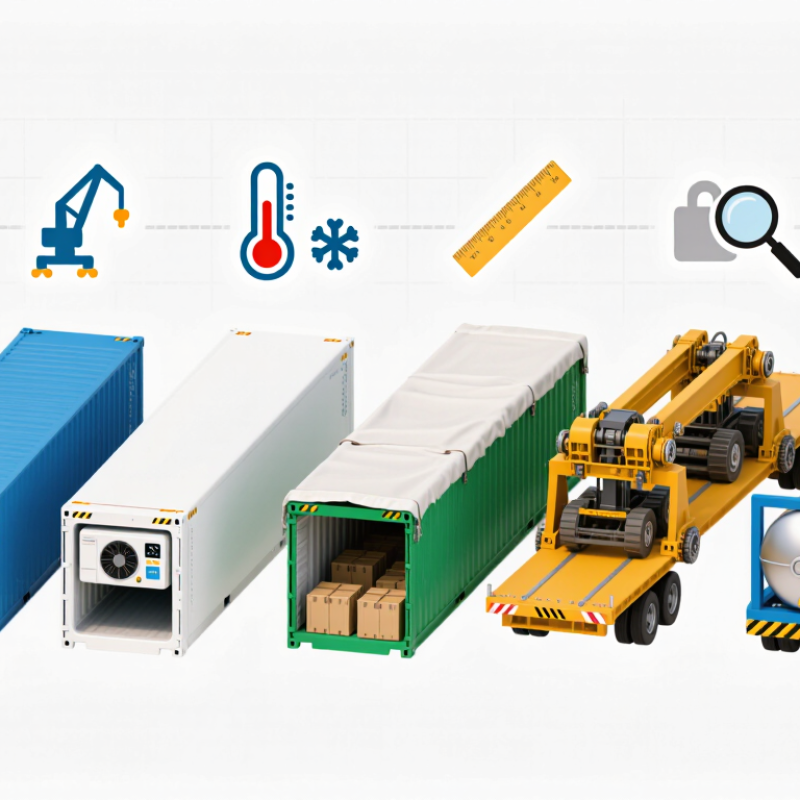
Standard Dry Containers: The Mainstay of Global Shipping
What Are the Top Sea Container Types in 2026?
Standard Dry Containers: The Mainstay of Global Shipping
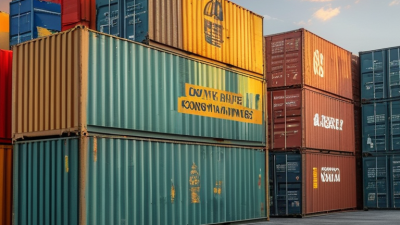
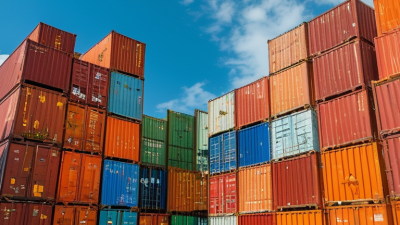
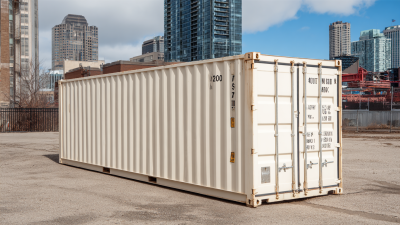
Standard dry containers remain the most widely used option for general cargo in 2026. They handle cartons, furniture, machinery, textiles, and packaged goods without temperature control. Common sizes include 20-foot, 40-foot, and 40-foot high-cube units. High-cube containers provide extra internal height for bulky loads. Their steel walls protect cargo from rain, spray, dust, and ordinary handling impacts. In daily operations, reliability matters more than novelty. A plain container often does the job best.
From practical inspections, small details can prevent expensive delays. Check the floor for soft spots, unusual odors, and protruding nails. Examine door seals and locking bars before loading. A dented corner post may affect stacking safety, even when the interior looks clean. Containers used for international transport should meet applicable safety certification requirements and receive regular inspections. However, dry containers are not perfect. They cannot control humidity, and condensation may damage sensitive cargo during long voyages. Desiccant materials and careful wrapping help, but they do not solve every moisture problem.
Tips: Match the container size to the cargo, not the other way around. Leave air channels around walls when moisture is a concern. Distribute weight evenly across the floor. Secure heavy pieces with approved restraints. Photograph the empty interior before loading. It is a simple record, but often overlooked. Before departure, review the cargo weight, door clearance, and seal number with the shipping team.
Refrigerated Containers for Temperature-Sensitive Cargo
In 2026, refrigerated containers remain essential for seafood, meat, dairy, vaccines, and fresh produce. The most common formats are 40-foot high-cube reefers and 20-foot reefers for heavier cargo. A 40-foot unit offers more volume, while a 20-foot unit can handle dense cargo more safely. Temperature control is only one part of the decision.
Drewry’s Reefer Shipping Annual Review 2024 reported that containerized reefer cargo represented roughly 80% of global seaborne reefer trade. The report also identified fruit, vegetables, and seafood as major demand categories. UNCTAD’s Review of Maritime Transport 2024 showed continued pressure on shipping capacity and route reliability. That matters because a reefer may consume electricity for days beyond its planned voyage. A delayed arrival can quietly damage cargo.
Small details matter. Pre-cool the cargo, not just the container. Check pulp temperature, airflow space, drain condition, and data-logger placement. Keep cartons away from the evaporator outlet. Poor stacking can create warm pockets, even when the display shows the correct temperature. I would not trust a single sensor reading. The Global Cold Chain Alliance has repeatedly emphasized monitoring, trained handling, and documented procedures across the cold chain. Human error remains the weak point. Cargo owners should also question whether a premium reefer setting is necessary; incorrect humidity control can cause drying, condensation, or decay. The technology is strong, but execution is still imperfect.
What Are the Top Sea Container Types in 2026?
Refrigerated Containers for Temperature-Sensitive Cargo
Refrigerated containers, commonly called reefers, are used for cargo that requires controlled temperatures during ocean transport. A 20-foot reefer typically provides about 28 cubic metres of internal space, while 40-foot high-cube and 45-foot high-cube reefers offer approximately 67 and 86 cubic metres respectively. Actual capacity varies according to insulation thickness, refrigeration equipment, and container design.
Open-Top and Flat-Rack Containers for Oversized Goods
What Are the Top Sea Container Types in 2026?
Open-Top and Flat-Rack Containers for Oversized Goods
Open-top and flat-rack containers remain practical choices for cargo that cannot fit through standard doors. Open-top units have removable roofs or tarpaulins. This design allows cranes to load machinery from above. They suit tall equipment, timber, industrial parts, and other stable project cargo.
Flat-rack containers have reinforced floors and strong end walls. Some models use folding ends, while others have fixed structures. Their open sides support wide or unusually shaped loads. However, the cargo must stay within approved weight and dimension limits. A low center of gravity improves stability during ocean transport.
Details matter.
Before loading, inspect the floor, corner posts, lashing rings, and cargo contact points. Use certified straps, chains, blocking, and edge protection where appropriate. The securing plan should reflect the cargo’s weight, shape, lifting points, and expected movement at sea. A tarpaulin protects an open-top load from weather, but it does not replace proper restraint.
A common mistake is measuring only the cargo height. Door clearances, crane access, overhang, and terminal handling also affect container selection. The first load plan is rarely perfect. Recheck every measurement against verified equipment specifications and carrier requirements. Experienced teams still revise plans when the center of gravity changes. That extra review can prevent delays, damaged goods, and unsafe handling.
Tank Containers for Liquids, Gases, and Hazardous Materials
Among the leading sea container types in 2026, tank containers serve liquids, gases, and regulated hazardous materials. They usually use a stainless-steel tank inside a standard intermodal frame. This design supports ship, rail, and truck transfers without opening the cargo tank. According to the ITCO 2024 Global Tank Container Fleet Survey, the worldwide fleet reached about 801,800 units, an annual increase of 8.65%. That growth reflects stronger demand for bulk liquid transport, but fleet size alone does not prove operational quality.
Different cargoes require different tank specifications. Food-grade liquids may need hygienic interiors and dedicated cleaning records. Flammable liquids require suitable pressure controls, grounding procedures, and approved handling plans. Gas service demands carefully selected pressure ratings, valves, and temperature controls. A tank designed for oil is not automatically suitable for gas. That mistake can become expensive.
Safety depends on verified inspections and documentation. The IMO International Maritime Dangerous Goods Code provides requirements for transporting regulated materials by sea. The UNECE Model Regulations guide road and rail movements, while the International Convention for Safe Containers supports structural certification. Operators should check test dates, seals, loading limits, and emergency information before every journey. Small details matter. The weak point is often human coordination. Reports offer useful benchmarks, yet real-world performance can still vary between terminals, routes, and contractors.
Specialized Containers for Vehicles, Bulk Cargo, and Unique Loads
In 2026, specialized sea containers are essential for cargo that cannot travel in standard dry boxes. Vehicle shipments often use roll-on/roll-off units or reinforced platforms with strong lashing points. These designs support cars, vans, and construction equipment. Clearance matters. A few centimeters can change the entire loading plan.
Flat rack containers suit oversized machinery, steel frames, and heavy industrial parts. Their collapsible ends can create extra loading space, but exposed cargo needs careful weather protection.
Open-top containers help move tall items, such as timber or large components, using cranes. Bulk containers handle dry, free-flowing materials in controlled conditions.
Tank containers carry approved liquids and require accurate inspections, compatible fittings, and documented cleaning records. I have seen small measurement errors cause expensive delays. That risk deserves more attention.
Tips: Confirm cargo dimensions, weight distribution, lifting points, and securing methods before booking. Photograph the cargo and container condition during loading. Check door openings, floor strength, and ventilation requirements. For unusual loads, ask an experienced surveyor to review the plan. Do not rely on a familiar container type; it may be wrong for the cargo. Availability can also vary by route and season. A practical plan should include spare time, because specialized equipment is not always positioned where it is needed.