

2026 Top Storage and Shipping Containers for Sale
Choosing storage and shipping containers in 2026 means balancing price, condition, access, and intended use. A container that looks sound from the road may have a sticky door, worn floor, or hidden roof damage. Small details matter. The UNCTAD Review of Maritime Transport 2024 reports that global container-port throughput reached 858.9 million TEUs in 2023, up 2.4% from 2022. That figure describes port activity, not container prices or local stock, but it shows the scale of the system these units serve.
Historian Marc Levinson, author of The Box, captures the container’s wider impact in his book subtitle: “How the Shipping Container Made the World Smaller and the World Economy Bigger.” For buyers, the practical question is more immediate: which unit fits the site and the job? A dry, wind- and watertight standard container may suit general storage. High-cube models offer extra interior height, while refrigerated units require power and careful equipment checks. Used units can cost less, but their condition varies.
This guide compares top storage and shipping containers for sale by type, condition, and common application. Check measurements, door operation, floor condition, delivery access, and seller inspection records before committing. Ask how transport and unloading are handled; a low asking price can become less attractive when a truck cannot reach the pad. One caution: listings rarely tell the whole story. A careful inspection still matters.

What Storage and Shipping Containers Are and How They Differ
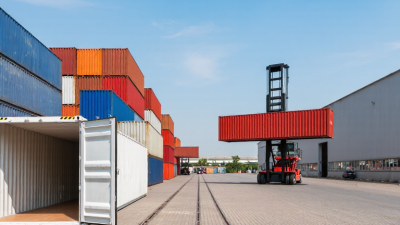
Storage containers and shipping containers may look alike, but they serve different jobs. A shipping container is built for repeated transport by ship, rail, or truck. Its reinforced corners and standardized dimensions help equipment lift and secure it. A storage container is intended mainly to stay in one place. Some are converted from shipping units; others are designed specifically for stationary storage.
That distinction matters. Shipping containers often have heavy-duty doors, weather-resistant seals, and surfaces suited to frequent handling. Storage units may offer easier access, different door layouts, or interior features for tools and household goods. Their construction and condition vary, so the label alone tells you little. A used shipping unit might have dents, stiff doors, or worn seals. A new storage unit may be more convenient, but not necessarily suitable for transport. I’ve seen people focus on price and overlook delivery access. That can become an expensive mistake.
Tips: Measure the delivery route, doorway, and placement area before ordering. Check door operation, floor condition, and roof seams in person or through clear photos. Ask whether the unit is certified for transport if you plan to move it. Measure twice.
Common Container Types, Sizes, and Materials
Storage and shipping containers serve different jobs. General-purpose dry containers suit boxed goods, tools, and household storage. Open-top units allow loading bulky items from above, while flat racks accommodate unusually wide or heavy cargo. Refrigerated containers use insulated walls and powered cooling systems. UNCTAD’s Review of Maritime Transport 2024 reports that global container-port throughput reached 858.9 million TEUs in 2023, up 2.6% from 2022. That scale helps explain why standard sizes matter across transport networks.
Common lengths are 20 feet and 40 feet. Under ISO 668, their external lengths are about 6.06 metres and 12.19 metres; standard external width is 2.44 metres. High-cube models add roughly 30 centimetres of height over standard units. A nominal size is not usable space. Interior dimensions and door openings vary, so measure the opening.
Most dry containers use corrosion-resistant steel walls and a timber-based floor. Reefer units add insulation, sealed doors, and mechanical cooling; those features also mean more components to inspect. Look for floor softness, door-seal gaps, and rust around corner fittings. Small details matter. A container that looks sound outside may still have water damage inside. Condition, access, ventilation, and intended load can outweigh a small price difference.
Storage and Shipping Container Uses Across Industries
Storage and shipping containers serve very different needs across industries. On construction sites, a steel unit can protect tools, fasteners, and compact equipment from rain and dust. Crews can organize supplies on shelves and keep high-use items near the doors. That saves time during a busy shift. Keep it dry. Airflow matters, too, especially when damp gear goes inside. A container’s condition, door seals, and floor strength should match what it will hold.
Retailers often use containers for seasonal stock or temporary overflow. Farms may store irrigation parts, feed equipment, or packed produce supplies close to the fields. In shipping operations, containers move goods between trucks, rail, and vessels, with sizes chosen to suit cargo and handling plans. Not every unit fits every job. Measure the site, access route, and load before buying or renting. Check for rust, damaged flooring, and doors that stick. Small details count. A unit that looks sound outside may still have leaks or limited ventilation. Practical selection takes inspection, and sometimes the first estimate misses an inconvenient detail.
How to Compare Containers for Sale in 2026
Start with the job: dry storage, workshop space, or regular cargo movement. Then compare like with like. A standard 20-foot container may suit compact sites, while a 40-foot unit offers more floor space but needs room for delivery and placement. Check the stated dimensions, including door clearance.
UNCTAD’s Review of Maritime Transport 2024 reported global container port throughput of 858.9 million TEUs in 2023, up 2.4 percent. That figure shows the scale of container use, not the condition of any unit for sale. Important distinction.
Ask for dated photos and a written condition description. Inspect the roof for dents or patching, the floor for soft spots, and the door seals for gaps. Look closely at corner castings and door operation; fresh paint can hide wear. If the container will carry cargo in transport, confirm its safety approval and inspection status with the carrier.
Compare the delivered price, not only the listed price. Delivery access matters. A sound unit may still be a poor fit if a truck cannot reach the placement area. Sellers may describe grades differently, so request specific details rather than relying on a label. Some uncertainty remains, especially when buying remotely.
Key Factors for Choosing a Container Supplier and Delivery Option
2026 Top Storage and Shipping Containers for Sale
Choosing a storage or shipping container starts with its intended use, not the listing price. Ask whether it is new, one-trip, cargo-worthy, or simply wind- and water-tight; these terms are not interchangeable. Request recent photos of the roof, floor, doors, and seals, plus a written condition grade. A photo helps. It is not an inspection. For international cargo use, confirm applicable safety approvals and inspection status with a qualified professional.
Supplier location and delivery capability matter as much as container condition. UNCTAD’s Review of Maritime Transport 2024 reports that global container-port throughput reached 858 million TEUs in 2023, up 2.4% from 2022. That figure cannot predict your delivery date, but it highlights the scale of busy port and inland networks. Ask for a realistic dispatch window, the transport method, and written confirmation of who handles unloading.
Before ordering, measure gate width, turning space, overhead clearance, and the final pad. Share site photos and a location pin with the carrier; a truck may reach the property but still be unable to place the container. Compare the full delivered cost, including unloading equipment, site preparation, and access surcharges. The cheapest quote can hide a costly assumption. Leave room for delays, too; suppliers cannot control every road or port disruption.
2026 Top Storage and Shipping Containers for Sale - Key Factors for Choosing a Container Supplier and Delivery Option
| Container option | Typical external dimensions (L × W × H) | Approximate internal dimensions (L × W × H) | Typical capacity and tare weight | Supplier and delivery checks |
|---|---|---|---|---|
| 20-foot standard dry | About 6.06 × 2.44 × 2.59 m | About 5.90 × 2.35 × 2.39 m | About 33 m³; tare typically 2,200–2,400 kg | A practical choice for compact storage or heavier cargo. Confirm door access, ground bearing capacity, truck access, and the unit’s condition grade. |
| 40-foot standard dry | About 12.19 × 2.44 × 2.59 m | About 12.03 × 2.35 × 2.39 m | About 67 m³; tare typically 3,700–4,000 kg | Provides more floor length than a 20-foot unit. Check whether the delivery site can accommodate the longer vehicle and container, including turning and placement space. |
| 40-foot high-cube dry | About 12.19 × 2.44 × 2.90 m | About 12.03 × 2.35 × 2.69 m | About 76 m³; tare typically 3,900–4,300 kg | Extra internal height suits tall or bulky goods. Verify overhead clearance along the delivery route and at the final placement point. |
| 40-foot refrigerated container | About 12.19 × 2.44 × 2.90 m for many high-cube models | Often about 11.5 × 2.29 × 2.55 m; varies with refrigeration equipment | Often around 60–67 m³; tare commonly 4,500–5,000 kg | For temperature-controlled cargo. Confirm operating range, equipment test status, power supply requirements, ventilation, and service access at the site. |
| 40-foot open-top | About 12.19 × 2.44 × 2.59 m | About 12.03 × 2.35 m; usable height depends on the roof bow and cover arrangement | Volume varies by configuration; tare commonly 3,800–4,300 kg | Useful for top-loaded or over-height cargo. Confirm loading equipment, overhead lifting clearance, cover condition, and any route restrictions. |
| Supplier and delivery essentials | Compare the quoted container size, condition, included accessories, and availability. | Check the container’s tare, maximum gross weight, and payload on its identification plate; these figures vary by unit. | Request a written quote showing delivery, placement, unloading method, access requirements, and any waiting or redelivery charges. Confirm permits and site preparation where applicable. | |
Related Posts
-
What Are the Best Storage and Shipping Containers in 2026?
-

How to Choose Storage Container Delivery Worldwide?
-
Top Storage Solutions for Shipping Containers
-
How to Choose the Right Storage and Shipping Containers for Your Needs?
-
2026 Top Storage Container Delivery Options for Your Needs?
-

Tips to Find Free Shipping Containers for Your Business Needs?