What Are the Top 40 ft Container Types in 2026?
A 40 ft container can look like a simple steel box, but its dimensions shape loading plans, handling choices, and space use across a supply chain. In 2026, buyers and logistics teams may encounter standard dry, high-cube, open-top, flat-rack, refrigerated, and other specialized designs. Each serves a different purpose. A high-cube model adds vertical room; a reefer uses an insulated body and cooling equipment. Small differences matter.
Container historian Marc Levinson, author of The Box, has examined how standardization changed freight movement. A concise paraphrase of his central insight is: “Standard dimensions make cargo easier to transfer between ships, trains, and trucks.” This is a paraphrase, not a verbatim quotation. The same principle helps explain why container types must be compared by use, not name alone. A 40 ft container suitable for dry cartons may not fit temperature-sensitive goods or unusually shaped machinery.
This guide explores 40 container types and the practical details behind them, including structure, access, capacity, and common applications. Expect trade-offs. A specialized unit can solve one loading problem while adding cost or handling requirements. And catalog terms are not always used consistently. That deserves a closer look. Check specifications, internal dimensions, payload limits, and equipment condition before choosing a unit. Real cargo, route, and handling conditions should guide the decision—not a label that merely sounds right.

How 40-Foot Containers Are Defined and Classified
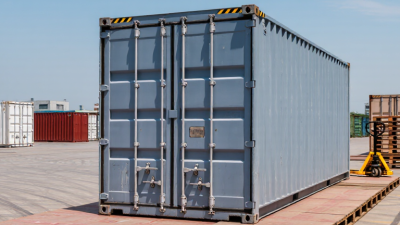
A 40-foot container is defined by its nominal length, not by one universal interior layout. ISO 668 standardizes key external dimensions: about 12.19 metres long and 2.44 metres wide. A standard-height unit is about 2.59 metres tall; a high-cube unit is about 2.90 metres tall. Usable interior space varies with wall thickness, doors, and equipment.
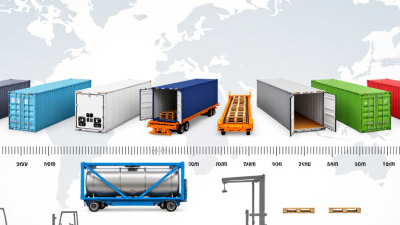
Classification usually combines size with function. Dry containers carry general cargo; refrigerated units control temperature; open-top units allow overhead loading; flat racks carry oversized loads; and tank containers hold liquids. A container may be both 40-foot and high-cube, so labels describe different features. The categories can blur in everyday listings. Check the equipment plate and actual internal dimensions before planning a load.
UNCTAD’s Review of Maritime Transport 2024 reports that the global container-ship fleet reached 29.5 million TEU in 2023, highlighting the scale of standardized container transport.
Tips: Confirm door clearance, payload, and temperature range—not just the 40-foot label. A few centimetres can matter.
The Top 40-Foot Container Types Available in 2026
The Top 40-Foot Container Types Available in 2026
Standard and high-cube containers.
A standard 40-foot dry container suits cartons, furniture, and palletized goods that need weather protection. A 40-foot high-cube model offers extra interior height, often around 30 centimeters more than a standard unit. That added space helps with tall, lightweight cargo. Actual dimensions and payload limits vary, so check the container’s data plate before planning a load. Small differences matter.
Specialized container options.
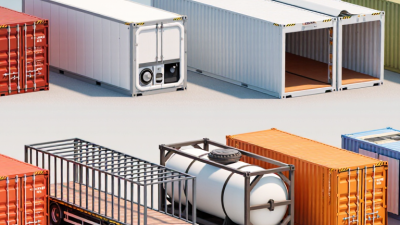
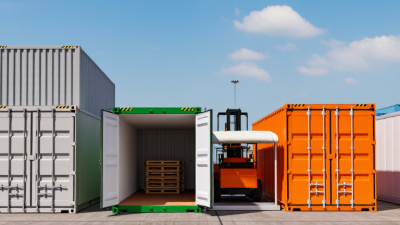
Refrigerated containers maintain controlled temperatures and need a suitable power supply during operation. Open-top containers allow loading from above, useful for tall cargo that will not fit through the doors. Flat racks have open sides and ends for bulky machinery or other awkward loads. Side-opening and double-door models can make access easier, while tank containers are designed for compatible liquid cargo. Availability and specifications can differ by depot and equipment condition; the “best” type is not always obvious.
Tips:
Measure cargo at its widest and tallest points, including packaging. Confirm door-opening dimensions, floor condition, and payload with the supplier. For refrigerated units, ask how temperature settings and power arrangements will be checked. I would also leave room for safe loading access; it is easy to focus on capacity and overlook the space needed to handle the cargo.
Standard, High-Cube, and Open-Top Container Designs
In 2026, three 40-foot designs suit many different loading needs.
A standard container offers a familiar balance of capacity and handling. Its interior is typically about 12.0 metres long, 2.35 metres wide, and 2.39 metres high. That space works well for palletized goods and general cargo. Measure the actual unit, though; dimensions and payload can vary with age and construction.
A high-cube container adds roughly 30 centimetres of exterior height.
Its interior clearance is often close to 2.69 metres, giving extra room for light, bulky loads. That difference can matter when cartons reach near the ceiling or equipment needs additional clearance. But extra height does not automatically mean more payload. Check the container’s rating plate and compare it with the cargo’s weight and loading plan.
An open-top design has a removable roof cover, allowing cargo to be lowered from above by crane.
It can help with tall machinery or awkward loads that cannot pass through the end doors. The trade-off is exposure: the cover and fastening points need careful inspection, especially after rough handling. Small gaps matter. I would not assume every open-top unit provides identical clearance; measure the opening and confirm the usable interior height before arranging transport.
Specialized Containers for Temperature-Controlled and Oversized Cargo
For temperature-sensitive cargo, a 40-foot reefer container offers active cooling and airflow. It suits products that need a stable setpoint during transit, such as chilled foods or certain medicines. Before loading, check the unit’s temperature range, ventilation settings, and operating condition. A display reading alone cannot confirm that cargo is cooling evenly.
Insulated containers provide a different option. They slow heat transfer but do not usually control temperature by themselves. That distinction matters on long routes or in changing climates. A tightly packed load may also block airflow inside a reefer, creating warm spots near the center. Small details matter.
Oversized cargo may need a 40-foot open-top container, flat rack, or platform container. Open-top units allow loading from above, while flat racks accommodate cargo that exceeds standard width or height. Measure the cargo, supports, and lifting points before choosing. A few centimeters can change the loading plan.
These designs involve trade-offs. A flat rack can simplify access, but cargo may need careful weather protection and secure lashing. An open-top unit may suit tall equipment, yet overhead clearance still matters at terminals. Container availability and specifications vary, so confirm dimensions and handling requirements with the carrier. Even experienced shippers can miss a clearance detail.
How to Compare Container Dimensions, Capacity, and Uses
Comparing 40 ft containers starts with more than their outside length. A standard unit is about 12.19 metres long externally, but its usable interior is smaller. Typical interior capacity is around 67 cubic metres. A high-cube model adds roughly 30 centimetres of height and may offer about 76 cubic metres. Exact dimensions vary, so check the container’s specification sheet before planning a load.
Capacity is not just volume. Compare internal length, width, and door opening with the cargo’s actual measurements. Then check payload: the maximum cargo weight depends on the container’s tare weight and permitted gross weight. A refrigerated container has insulated walls and machinery, which reduce interior space. It suits temperature-sensitive goods, but its usable dimensions differ from a dry container. Small differences matter.
Choose by cargo shape and handling needs. Open-top containers allow tall items to be loaded from above; flat racks accommodate oversized loads that do not fit inside enclosed walls. Tank containers carry liquids in a fitted vessel. I still find volume alone a tempting shortcut, but it can mislead. A bulky, light shipment may need more space, while dense cargo can reach its weight limit first. Check door clearance, loading method, and floor requirements alongside the published capacity.