


What Is a Second Hand Shipping Container?
A second hand shipping container is a steel cargo unit that has already served in transport or storage. It may show faded paint, scuffs, or patched areas. Those marks alone do not tell you whether it remains suitable. Condition does. The key is to understand what the unit carried, how it was maintained, and whether its structure and doors still function as intended.
Transport historian Marc Levinson, author of The Box, has documented how standardized containers reshaped freight by making cargo handling more efficient. That history helps explain the value of reuse: a container can have practical life beyond its first shipping role. But not every used unit is a good buy. Details matter. Inspect the corner posts, door seals, floorboards, roof, and visible corrosion. Open and close both doors. Look for water staining, soft spots, and repairs that may need closer assessment.
This guide explains common grades, inspection points, and questions to ask before purchasing second hand shipping containers. A lower price may be appealing, yet the cheapest unit can require repairs or fail to suit its intended use. Match condition to purpose. For example, a storage unit on a dry site may not need the same finish as one exposed to harsh weather. If the history is unclear, say so; uncertainty is part of the decision, not a detail to gloss over.
Definition and Key Characteristics of a Second-Hand Shipping Container
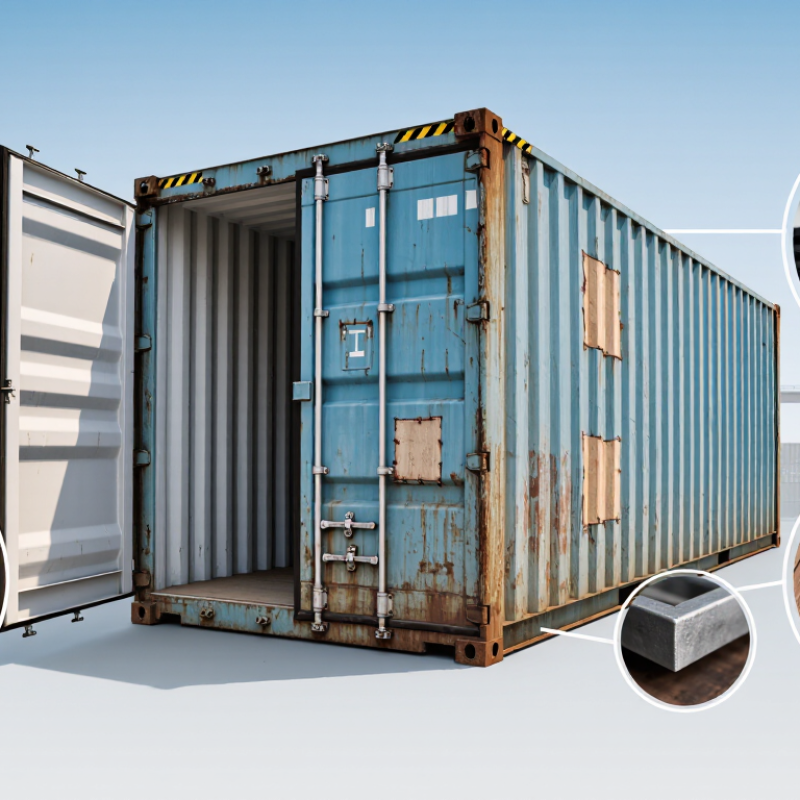
A second-hand shipping container is a steel freight box that has already completed one or more transport cycles. It may still be suitable for storage or another practical use, but its condition depends on its history, handling, and maintenance. Expect signs of use: faded paint, small dents, surface rust, or worn flooring. These marks do not automatically mean the container is unsafe.
Key characteristics include a rigid steel frame, corrugated walls, and heavy doors with locking bars. Check that the doors open and close evenly, the roof has no visible holes, and the floor feels firm underfoot. Look closely at corners, seams, and lower rails, where water damage or corrosion can be easier to miss. A fresh coat of paint can look reassuring, but it may conceal repairs. Condition terms vary between sellers, so ask what was inspected and request clear photos.
Tips: Inspect in daylight, including the roof and underside if accessible. Smell the interior; persistent damp or chemical odors deserve questions. A careful inspection takes time. Even experienced buyers can miss a flaw, so consider an independent assessment when condition is uncertain.
How Used Containers Are Graded and Inspected
A second-hand shipping container is a unit that has already carried cargo or served another purpose. Its condition can range from nearly sound to visibly worn, so age alone does not tell the whole story. Buyers often see terms such as “cargo-worthy” or “wind and watertight,” but grading language can vary between sellers. Ask what each grade means in writing.
A careful inspection checks the frame, corner castings, door operation, roof, walls, and floor. Inspectors look for deep corrosion, cracked welds, bent rails, and repairs that may affect strength. They may also close the doors and check for daylight or water entry. Small dents and surface rust are common. A strong musty smell, soft flooring, or a door that sticks deserves closer attention. Photos help, but they can miss problems beneath the floor or inside dark corners. An on-site inspection is better when practical.
A grade is a starting point, not a guarantee. Request recent inspection notes and clear photographs of all sides, the roof, and the interior. Check whether the report describes the actual unit, not just a typical example. I would also ask how any repairs were completed; that detail is easy to overlook. A container may suit storage but need repairs before another use. The intended job matters.
| Condition Description | Typical Findings | Common Suitability | Important Limitations |
|---|---|---|---|
| IICL-quality condition | Usually presents as a well-maintained unit with limited damage and repairs completed to a high standard. The term describes a market condition level, not a universal certification. | Storage or shipping, depending on the container’s current inspection status and documentation. | Ask what inspection criteria were used. The description alone does not prove that the container has a valid CSC safety approval. |
| Cargo-worthy (CW) | Structurally suitable for cargo transport when accepted by the relevant operator or surveyor. Doors, locking gear, frame, floor, and panels should be in serviceable condition. | Potential international or domestic cargo transport, subject to applicable requirements. | Confirm that the CSC safety approval plate is valid where required. A seller’s condition description is not a substitute for required inspections or acceptance. |
| Wind and watertight (WWT) | Generally expected to keep out ordinary wind and rain when closed, with doors that operate and seal adequately. | Storage of goods that can tolerate a used container’s appearance and condition. | WWT describes protection from the elements; it does not certify the container for cargo transport or guarantee a dry interior in every condition. |
| As-is / repair required | May have holes, leaks, damaged doors, corrosion, floor defects, or structural damage. The specific defects should be listed before purchase. | Repair projects, parts, or uses where the buyer can assess and manage the defects. | Do not assume it is suitable for storage or transport without an inspection. Repair costs and safety requirements can vary substantially. |
Grading note: Used-container labels and grading practices can vary between sellers and markets. Request a recent inspection report, clear photographs, repair details, and confirmation of any transport-safety documentation relevant to your intended use.
| Inspection Area | What to Check | Why It Matters |
|---|---|---|
| Corner posts, castings, and frame | Look for bends, cracks, heavy corrosion, or damage around the corner fittings and main structural members. | Damage can affect safe handling, stacking, lifting, or structural integrity. |
| Roof and side panels | Check for holes, punctures, deep dents, separated seams, and signs of patching. Look for daylight from inside where the container should be enclosed. | Openings and failed seams can let in water and expose stored cargo to the weather. |
| Doors, hinges, and locking gear | Open and close both doors. Check hinges, locking rods, handles, cams, seals, and whether the doors close evenly. | Faulty doors can make the unit difficult to secure and may compromise weather resistance. |
| Floor | Check for soft spots, broken boards, delamination, contamination, and areas affected by moisture. Confirm the floor material and condition. | Floor defects can create safety hazards or make the container unsuitable for particular goods. |
| Interior condition and odour | Look for standing water, mould, chemical smells, residue, pests, or evidence of previous cargo contamination. | Past use can affect whether the container is appropriate for stored goods, especially sensitive materials. |
| Corrosion and repairs | Distinguish light surface rust from deep pitting, perforation, or weakened metal. Inspect patches and welds for completeness and sound workmanship. | Extensive corrosion or poor repairs may reduce service life and require further assessment. |
| CSC safety approval plate | For transport use where required, check the plate and relevant inspection or examination status with the appropriate authority or qualified inspector. | A container’s appearance or sales grade alone does not establish that it is approved for international transport. |
Common Sizes, Types, and Condition Levels
A second-hand shipping container is a previously used steel unit sold for storage or further transport. Common sizes are 20 and 40 feet, with 40-foot high-cube models offering extra height. Exact internal dimensions vary, so measure bulky items before choosing. A standard dry container suits boxes, tools, and furniture. Refrigerated units have insulated walls and cooling equipment, which need careful condition checks. Open-top and flat-rack types accommodate certain oversized loads, but they are less common in some markets.
Condition labels are not perfectly consistent between sellers. “Cargo-worthy” generally means an inspector considers the unit suitable for shipping, but ask what inspection or documentation supports that rating. “Wind and water tight” usually describes a container that keeps out ordinary rain and wind, not one that is flawless. “As-is” may mean repairs are needed, or simply that no further guarantees are offered. Look closely. Check door seals, hinges, floorboards, roof, and lower corners for gaps, soft spots, or deep corrosion. Fresh paint can make a container look better than its repair history suggests. That label is not the whole story. Request clear photos and, when possible, inspect it in person before purchase.
What Is a Second-Hand Shipping Container? Common Sizes, Types, and Condition Levels
Compare common container types by nominal external length. High-cube containers are taller than standard containers of the same length.
Condition levels: “Cargo-worthy” generally means suitable for shipping cargo; “wind and watertight” means protected against ordinary wind and rain; “as-is” containers may need repairs. These descriptions can vary by seller, so check inspection details and intended use before buying.
Lengths shown are nominal external dimensions. Exact dimensions and usable interior space vary by container design.
Typical Uses for Second-Hand Shipping Containers
What Is a Second Hand Shipping Container?
Typical Uses for Second-Hand Shipping Containers
A second-hand shipping container can provide practical storage for farms, workshops, and renovation sites. People often use one to protect tools, building materials, seasonal equipment, or garden supplies from rain. At a worksite, placing the container near the job can reduce trips back to a main storeroom. They need checking. Look for door seals that close evenly, soft floor sections, heavy corrosion, and signs of water entry.
Some owners adapt containers into small workshops, equipment rooms, or simple site offices. Insulation, lighting, and ventilation can make the interior more comfortable for regular work. A converted space still needs careful planning: condensation can damage stored items, and a metal box may become very hot in direct sun. Not every unit fits. Measure the intended equipment and doorway before arranging delivery.
Containers can also support temporary stalls, garden storage, or organized community projects. Their modular shape makes them easy to position, but the ground must be stable and reasonably level. A weathered exterior may be perfectly functional, though appearance matters in customer-facing locations. Before choosing a unit, match its condition to the intended use; a low-cost container is not a good value if repairs exceed expectations.
Factors to Consider When Choosing a Used Container
A second-hand shipping container is a previously used steel unit offered for storage or transport. Condition varies widely; age alone tells little. UNCTAD’s Review of Maritime Transport 2024 reported that global container-port throughput reached 858.9 million TEUs in 2023, up 2.4 percent from 2022. That figure reflects market activity, not the quality of any particular container. Inspect the unit itself.
Check the roof, corner posts, door hinges, seals, and floor for dents, rust, gaps, or soft patches. Open and close both doors; they should move without forcing. A fresh coat of paint can conceal repairs. Look closely. Ask for clear photos and the container’s age, repair history, and previous-use details. For transport, confirm that its safety approval plate and condition meet the carrier’s requirements; for storage, weather-tight doors may matter more. Measure the inside, too. Door openings and interior dimensions can be smaller than expected. Compare delivery access and placement costs before buying. I’d give more weight to sound structure than a tidy appearance, though a remote inspection can still miss problems.
Related Posts
-
How to Buy 2nd Hand Shipping Containers in 2026?
-
How to Find Free Shipping Containers for Your Business Needs?
-

Unlocking Savings: The Ultimate Guide to Discount Shipping Containers for Your Next Project
-

Why Buy Second Hand Shipping Containers?
-

10 Essential Tips for Finding Discount Shipping Containers Online?
-

How to Choose the Right Shipping Containers for Your Needs?