


How Much Do 20ft Containers Cost in 2026?
Planning a container purchase in 2026? The price of 20ft containers depends on more than the box itself. A new unit, a wind- and watertight used container, and a heavily worn unit can have very different asking prices. Condition matters. So does location.
A container listed for a low price may cost more after delivery, unloading, and site preparation. For example, a truck may need clear access and enough room to place the container safely. Distance from the seller, local supply, and seasonal demand can also affect the final quote. These details are easy to overlook when comparing listings.
This guide explains what buyers can expect to pay for 20ft containers in 2026 and which costs to check before committing. It considers container condition, standard features, delivery, and optional modifications such as doors or ventilation. Prices can change quickly, so any figures should be treated as estimates, not guaranteed offers. Ask suppliers for written quotes that describe the unit’s condition and list transport charges separately.
A tidy price table can still mislead. The cheapest listing may not be the best value if repairs or difficult delivery add substantial expense. Compare like with like, and inspect the container where possible. One useful question remains: what exactly does the quoted price include?
What Is a 20ft Container and What Determines Its 2026 Cost?
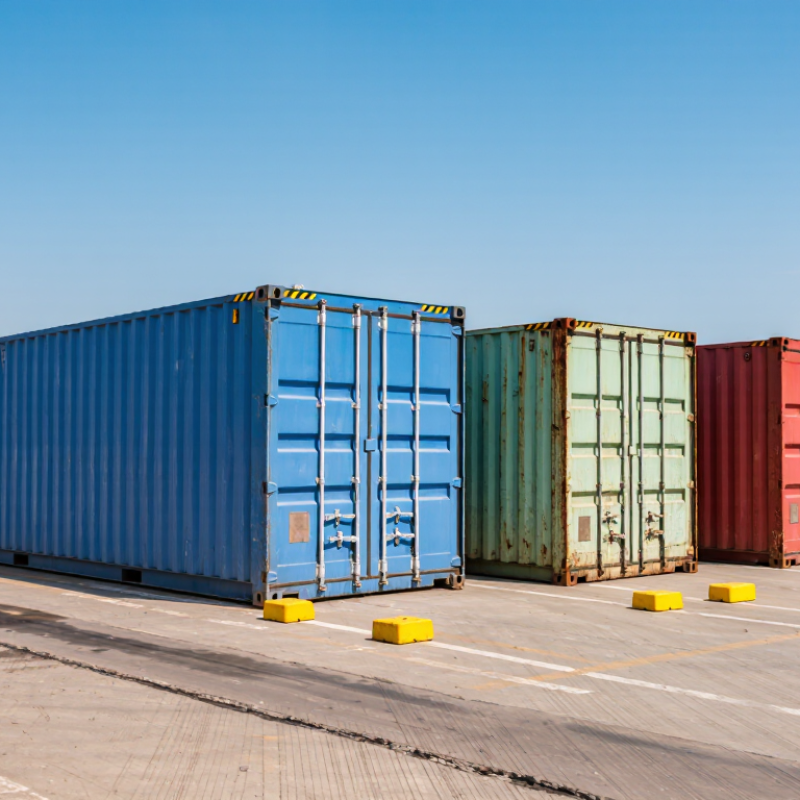
A standard 20ft container is about 20 feet long, 8 feet wide, and 8.5 feet high. Its usable interior space is smaller because of the walls and floor. It can hold household goods, tools, or business stock, but bulky items may not fit as expected. Measure the largest item and doorway before choosing one. Small detail, big difference.
The 2026 cost depends heavily on condition. A new or “one-trip” container usually costs more than a used unit, which may show dents, surface rust, or worn flooring. Ask for clear photos and check that the doors close and the roof has no obvious leaks. A low price can be tempting. Repairs may change the math.
Location and delivery also affect the final quote. A container near a supplier may cost less to transport than one delivered to a remote property. The truck needs enough room to reach and unload the site, and difficult access can add charges. Paint, insulation, extra doors, or electrical work raise the price too. There is no single reliable 2026 rate for every buyer; request an itemized quote that separates the unit, delivery, and any modifications. A little uncertainty remains, especially when local availability shifts.
How Much Does a New 20ft Container Cost in 2026?
In 2026, budget roughly $3,000–$5,500 for a new 20ft container in the U.S., before delivery and tax. Many units described as new are “one-trip” containers: they have completed one cargo journey, so they may show minor marks but usually have little wear. A genuinely unused unit can cost more. Prices also shift with steel costs, port supply, and regional demand. Not a fixed quote.
Delivery can add several hundred dollars, and difficult access or a long haul may push it above $1,000. A truck needs enough room to position the container, and unloading may require separate equipment. Ask for the container price and delivery charge as separate figures. Confirm the quoted condition, door operation, floor condition, and whether the price includes tax. The least predictable part is often delivery; a low advertised price can look less attractive once the truck arrives. These ranges are useful for planning, but local written quotes are more reliable. A slightly dented corner may be harmless, yet it is worth checking before purchase.
How Do Used, One-Trip, and Modified Containers Compare in Price?
For a 20ft container in the United States, 2026 planning estimates are about $1,500–$2,800 for a used unit, $2,500–$4,000 for a one-trip unit, and $4,000–$10,000 or more for a modified unit. These are budget ranges, not guaranteed quotes; delivery, taxes, location, and condition can change the final bill. Container xChange’s Container Price Sentiment Index tracks changing market sentiment, but it does not set a universal retail price. Compare local written quotes, and inspect the floor, doors, and corner posts. A low price can hide repairs.
Used containers usually show dents, worn paint, or patched floors. They suit dry storage when watertight condition matters more than appearance. One-trip containers have made only one cargo journey, so their steel and doors are often cleaner. That premium may make sense for visible sites or frequent access. Modifications—such as a personnel door, insulation, lighting, or windows—add labor and materials. A 2025 industry market update from Container xChange is useful for understanding price pressure, but custom-work costs still depend heavily on specifications and local labor.
Tips: Ask for dated photos and a written condition grade. Measure the doorway before ordering bulky equipment. Specify whether the quote includes delivery and offloading; a truck may need clear access and a firm surface. Get modification details itemized. Small omissions add up. I would not treat “one-trip” as a guarantee of perfect condition; check the actual unit before paying.
What Extra Expenses Affect the Total Cost of a 20ft Container?
A 20ft container’s quoted price may cover only the unit, not getting it onto your property. Delivery charges depend on distance, road access, and whether a truck can reach the drop-off point. A narrow gate or soft ground can mean extra equipment or a different delivery plan. Those add up. Ask whether the quote includes placement, not just transport.
Unloading is another cost to check. Some deliveries use a tilt-bed truck; others may require a crane or forklift, which can add fees. Site preparation matters too: a level, firm surface helps prevent the container from shifting or doors from sticking. Gravel, concrete pads, or clearing vegetation may be separate expenses. Small details matter.
Also check for taxes, inspection fees, and charges for modifications such as shelving, ventilation, or a new lockbox. Used containers may need cleaning or repairs, while new units can still arrive with minor cosmetic marks. Ask for a written, itemized estimate and confirm how long the price is valid. I would leave room in the budget for an unexpected site issue; it is easy to underestimate that part.
How Can Buyers Estimate and Reduce Their 2026 Container Costs?
A 20ft container’s 2026 price depends less on its label than on its condition, location, and delivery plan. Newer units usually cost more than used ones, while dents, floor wear, door seals, and certification can affect value. Start with the container price, then add delivery, unloading, site preparation, and any local fees shown in the quote. Small details matter. Ask whether the quoted unit is wind- and watertight, and request recent photos of the actual container. Compare the same condition and specification, not just the headline price. Rates can change by region and season, so treat online averages as rough guidance rather than a firm offer.
To reduce the total, request itemized written quotes from several nearby suppliers, including transport to your exact address. A low unit price can disappear when a truck needs extra access time or special unloading equipment. Measure gates, turning space, and overhead clearance before booking. If your storage needs are flexible, compare a used unit with a newer one and weigh likely repair costs. Ask about delivery timing, quote validity, and whether pickup is available; local pickup only helps if you can arrange safe transport. Grouping multiple units may reduce delivery cost, but only when the site can handle them. I would keep a small contingency for ground preparation or schedule changes. Those costs are easy to underestimate.
How Much Do 20ft Containers Cost in 2026? — How Can Buyers Estimate and Reduce Their Costs?
Indicative 2026 planning ranges in U.S. dollars for a standard 20ft dry container purchased for delivery within the United States. Actual quotes vary by location, condition, availability, transport distance, and site access.
| Cost item or container option | Indicative 2026 range (USD) | What the estimate covers | Ways to estimate or reduce the cost |
|---|---|---|---|
| Used, wind- and watertight (WWT) | $1,500–$2,700 | A previously used unit suitable for storage when its doors, roof, and walls are in serviceable condition. Cosmetic wear and repairs may be present. | Ask for current photos and a written condition description. Compare nearby inventory and inspect the floor, door seals, and corner posts before buying. |
| Used, cargo-worthy (CW) | $2,000–$3,500 | A used unit represented as suitable for cargo transport, subject to inspection and the applicable shipping-line or survey requirements. | Confirm what “cargo-worthy” means in the seller’s quote and whether a valid inspection or certification is included. Avoid paying for a condition grade you do not need. |
| New or one-trip standard container | $3,000–$5,000 | A near-new 20ft standard-height dry container, typically used for one cargo movement before resale. Price depends on stock and delivery region. | Compare the delivered price, not just the unit price. Consider a sound used unit if appearance and longer remaining service life are not essential. |
| Local delivery by tilt-bed or similar truck | $300–$1,200 | Typical short-distance delivery planning allowance; longer distances, difficult access, waiting time, or special equipment can increase the charge. | Request a delivered quote with mileage, access requirements, and unloading method stated. Choose a supplier or depot closer to the delivery site where practical. |
| Crane or other separate unloading service | $200–$800+ | Potential additional charge when the delivery vehicle cannot place the container directly at the required location. Equipment, reach, and site conditions affect pricing. | Send the supplier site photos and confirm the truck’s placement capability. Prepare a level, accessible drop area to avoid extra equipment or return-trip charges. |
| Site preparation and placement area | $0–$500+ | A planning allowance for basic leveling or support preparation. Extensive grading, drainage work, foundations, or permits are not included. | Check local requirements before purchase. Use a firm, level surface and suitable supports; obtain site-specific advice for soft ground or long-term loaded storage. |
| Inspection, tax, and other applicable charges | Varies by location | Inspection fees, sales or use tax, permits, and other charges depend on the buyer’s location and transaction. They are not included in the container price ranges above. | Ask for an itemized quote and verify tax and permit obligations with the relevant local authorities before setting the final budget. |
| Illustrative delivered budget: used WWT unit | About $1,800–$4,700 | Combines the indicative used-unit and local-delivery ranges; excludes tax, site work, and any separate crane or unloading charge. | Use as an initial budget only. Replace each allowance with a written, location-specific quote before committing. |
| Illustrative delivered budget: new or one-trip unit | About $3,300–$7,000 | Combines the indicative new-unit and local-delivery ranges; excludes tax, site work, and any separate crane or unloading charge. | Compare equivalent condition, delivery distance, and unloading terms to avoid misleading price comparisons. |
Budgeting note: These are broad planning estimates, not guaranteed market quotations or a price forecast. A useful total-cost formula is: container price + delivery + unloading (if needed) + site preparation + inspection and applicable taxes or permits. A standard 20ft dry container is nominally 20 feet long; verify the specific unit’s dimensions, tare weight, payload rating, and condition with the seller before purchase.
Related Posts
-
2026 Top Guide to Sourcing 20ft Containers Worldwide?
-

How to Choose the Right 20ft Containers for Your Shipping Needs?
-
Essential Tips for Buying a 20 ft Cargo Container?
-
How to Choose a 20 ft Cargo Container in 2026?
-
How to Buy Shipping Containers in 2026?
-
How to Choose Storage for Shipping Containers in 2026?