

Top 10 Storage Solutions for Shipping Containers?

Shipping containers look simple: steel walls, corner castings, a broad door, and a floor that must withstand repeated handling. Their storage needs are less simple. Cargo type, access frequency, ventilation, moisture, and available yard space all change the right setup. A neat stack can still create slow, awkward work.

UNCTAD’s Review of Maritime Transport 2024 reports that global container-port throughput reached 858.9 million TEU in 2023. That scale makes practical storage choices matter, from clear aisle widths to weather protection and secure, visible inventory. No layout is perfect. A plan that saves space may complicate access.

Transport geographer Dr. Jean-Paul Rodrigue’s systems-based work offers a useful perspective: container storage should support the wider transport chain, not just hold cargo. This guide applies that idea to storage for shipping containers, comparing shelving, racking, partitions, pallets, and other options. It focuses on what each solution helps organize, where it fits, and what trade-offs to check before installation. A small detail, such as leaving room for a forklift turn, can prevent daily frustration. The aim is not to promise a universal setup. It is to help readers match storage to their cargo, workflow, and site conditions.
Top 10 Storage Solutions for Shipping Containers?

Understanding Container Dimensions and Storage Requirements

A shipping container’s listed size is not its usable storage space. A typical 20-foot unit is about 5.9 metres long inside, while a 40-foot unit is roughly 12 metres. Internal width is usually near 2.35 metres, but dimensions vary by container type and age.

Measure the actual unit before choosing shelves or storage bins. Measure twice. The door opening is narrower and lower than the interior, so bulky items may not fit through it. Leave room for the door, ventilation, and a clear walking path.

For compact items, stackable bins make better use of vertical space and keep contents visible. Adjustable shelving suits mixed loads, but secure it against movement and check its rated capacity. Pallet storage can help with heavy goods, provided the floor and load distribution are suitable. Wall rails and hooks free up floor space for tools or lightweight equipment.

Avoid packing items tightly against the walls; condensation and poor airflow can damage stored materials. Small gaps matter. A layout that looks efficient on paper may feel cramped once boxes arrive, so test the aisle width with a loaded cart before settling on a plan. Weight limits and floor condition should be verified for the specific container.

Using Shelving and Racking to Maximize Vertical Space

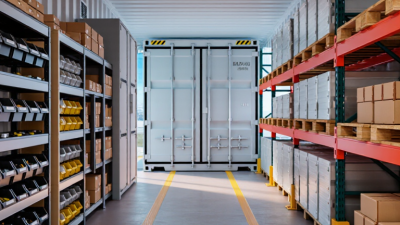
Shipping containers have limited floor space, so shelving can make the full interior more useful. Adjustable racks let you store cartons, tools, and spare materials above floor level. Measure the container’s width, height, and door clearance before choosing a system. Leave room for the doors to swing and keep a clear path down the center. Secure shelving against movement, and check its load rating before storing heavy items.

Place dense or heavy goods on lower shelves. Reserve upper levels for lighter boxes that you access less often. Clear bins and simple labels make items easier to find, especially in a dim container. Keep shelves away from vents, and leave space for air to move. A layout that looks efficient on paper can feel cramped once boxes are loaded; test one section before filling the whole container.

Tips: Measure twice, then mark shelf positions with tape. Keep frequently used items near the entrance. Don’t stack beyond a shelf’s rated capacity. Review the arrangement after a few weeks—some spaces may need adjusting.

Top 10 Storage Solutions for Shipping Containers? - Using Shelving and Racking to Maximize Vertical Space

# Storage Solution Best For How It Uses Vertical Space Planning Considerations
1 Adjustable industrial shelving Cartons, tools, supplies, and regularly accessed items Uses multiple shelf levels and can be reconfigured as item sizes change. Measure the interior height and aisle width before choosing shelf dimensions. Secure units against movement.
2 Selective pallet racking Palletized goods that need direct access Stores pallets on several beam levels rather than only on the floor. Check pallet and load dimensions, equipment clearance, floor capacity, and rack anchoring requirements.
3 Stackable storage bins Small parts, hardware, and sorted inventory Creates stable vertical stacks; compatible bins can also be placed on shelves. Keep stacks within safe height limits and place heavier contents at the bottom.
4 Modular shelving with labeled totes Picking operations and frequently handled small items Combines tiered shelves with containers to make the full shelf height usable. Allow clear access to labels and avoid placing heavy totes above comfortable handling height.
5 Cantilever racking Long or awkward items such as pipes, lumber, and trim Uses vertical uprights and projecting arms without front posts obstructing long loads. Choose arm length and load rating for the materials being stored; secure the rack and loads appropriately.
6 Mezzanine or raised storage platform High-volume storage when substantial headroom is available Adds a usable upper level above part of the container floor. Requires careful structural assessment, safe access, headroom checks, and consideration of the container floor and total loads.
7 Wall-mounted tool panels and holders Hand tools, maintenance equipment, and lightweight supplies Moves suitable items from the floor and shelves onto the walls. Use suitable mounting points and fasteners; do not assume container wall panels can support heavy loads.
8 Overhead shelves or storage trays Lightweight, infrequently used items Uses otherwise unused space near the upper walls or ceiling. Support must be designed for the structure and expected load. Avoid obstructing doors, lighting, or ventilation.
9 Vertical sheet-material or panel rack Sheet goods and flat panels that can be stored upright Stores panels vertically in a compact footprint instead of stacking them flat. Provide stable dividers or restraints and confirm that the panels fit through the container doors.
10 Mobile shelving units Dense storage where access to every shelf is not needed at once Uses shelving height while reducing the number of permanent aisles required. Use only on a suitable, level floor and preserve a clear access route and safe operating space.

Planning note: Container interior dimensions and structural details vary. Measure the actual container, check floor and rack load limits, and secure storage equipment for transport or site conditions before use.

Organizing Small Items with Bins, Drawers, and Cabinets

Small items can disappear quickly inside a shipping container, especially when cartons, straps, and tools share the same floor. A few clear, stackable bins make small fittings, gloves, and cleaning supplies easier to spot. Use labels on the front, not only on lids, because stacked bins hide their contents. Keep frequently used items between waist and chest level to reduce repeated bending. Small change helps. Avoid filling every bin to the rim; lids may not close evenly, and contents can shift during loading. In a narrow container, a clear aisle matters as much as storage capacity.

Shallow drawer units work well for screws, connectors, labels, and other pieces that vanish in deep boxes. Choose cabinets with doors that latch and shelves sized for the actual containers. Fasten storage units to suitable structural points, and follow the container or fixture maker’s installation guidance. Leave a hand-width of clearance around doors and drawers. Moisture can still collect inside a container, so protect paper labels and inspect stored items after wet weather. A simple check catches damp corners early. One imperfect habit is saving empty bins “for later”; they often become clutter. Revisit the layout when supplies change, even if moving one drawer feels fussy.

Top 10 Storage Solutions for Shipping Containers

Compare representative storage options by estimated gross volume. Larger units suit bulky supplies; bins and organizers help keep small items accessible.

Volumes are calculated from the example dimensions shown, converted from cubic inches to cubic feet. Dimensions are representative examples, not universal product standards; usable capacity will be lower and varies by design.

Adding Modular Systems and Mezzanines for Flexible Capacity

Shipping containers can gain useful capacity when modular shelving and mezzanines are planned together. Adjustable racks keep boxes, tools, and spare parts off the floor. A mezzanine adds a second working level without requiring another container. Measure the clear interior width first. Door frames, wall ribs, and uneven floors can reduce usable space. Leave room for carts and safe access to both levels.

Tips: Mark door swings and walking routes with tape before installing anything. Check shelf and mezzanine loads against the container’s condition and floor capacity. Don’t assume the walls can support a platform.

Choose modular frames that can be repositioned as inventory changes. A simple bolt-together system may suit seasonal stock; fixed stairs and a guarded platform can work better for regular access. Keep frequently handled items near floor level, and place heavier loads only where the support design allows.

In practice, a neat layout can still feel cramped once people start moving boxes. Test one rack bay before filling the container, and revise the plan if access feels awkward. A qualified structural professional can assess loads and support details, especially when adding a raised floor.

Protecting Stored Goods with Climate Control and Security

Shipping containers can protect stored goods, but steel walls alone cannot control heat or moisture. On a sunny afternoon, interior temperatures may rise quickly, while cool nights can leave condensation on the roof. A basic data logger helps reveal these swings before cartons soften or metal tools begin to rust. For sensitive goods, use a properly sized heating, cooling, or dehumidification system, and keep air moving around—not directly onto—stored items. Leave a small gap between cartons and walls. Small details matter.

Climate control works best with a tight, well-maintained container. Check door seals, roof seams, and floor edges after heavy rain, then record any damp spots. Security deserves the same routine: use a robust lock, motion-activated lighting, and access records, while keeping valuable items out of view. Cameras can help, but only when their power and connection are reliable. A temperature alert is useful too, though it cannot fix a failed unit by itself. No setup is perfect. Humidity sensors need checking, filters need cleaning, and alarms may be missed during a busy shift. A written inspection schedule, paired with clear ownership, makes these controls more dependable. It is easy to assume the container is safe once it is locked; that assumption sometimes proves wrong.